Fast delivery within 72 Hours
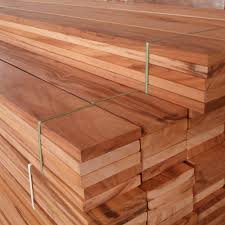
Hardwood planks
Contact Supplier
Supplier: orangepanda933Phone: +4487656789
Email: miloxig981@ezimb.com
Address: 29 Manor Road Sheffield, 58643 United Kingdom
Visit Supplier Store
Black Friday Blowout!
Description
Hardwood Planks – Detailed Product Description
Introduction
Hardwood planks are durable and versatile timber products manufactured from hardwood tree species and processed into flat rectangular boards used in construction, furniture manufacturing, flooring, interior decoration, cabinetry, and industrial woodworking applications. Known for their strength, density, attractive grain patterns, and long service life, hardwood planks are highly valued in both residential and commercial industries worldwide.
Unlike softwoods, hardwoods generally come from broadleaf trees that grow more slowly and produce denser wood with enhanced durability and wear resistance. Hardwood planks are widely used where structural reliability, visual appeal, and long-term performance are required. Their natural beauty and ability to withstand heavy use make them ideal for premium woodworking and architectural projects.
Hardwood planks are produced from sustainably managed forests and plantations and are available in various species, dimensions, finishes, and grades depending on intended applications.
Definition of Hardwood Planks
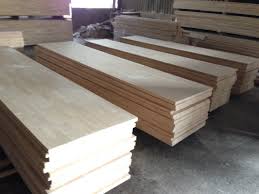
Hardwood planks are flat timber boards cut and processed from hardwood tree species for use in structural, decorative, and manufacturing applications.
Common hardwood species used for plank production include:
Tectona grandis
Swietenia macrophylla
Milicia excelsa
Hardwood planks may be kiln-dried, treated, planed, or finished depending on market requirements.
Types of Hardwood Planks
1. Teak Hardwood Planks
- Highly durable and moisture-resistant
- Used in luxury furniture and marine applications
2. Mahogany Hardwood Planks
- Attractive reddish-brown color
- Preferred for cabinetry and decorative interiors
3. Oak Hardwood Planks
- Strong and wear-resistant
- Common in flooring and furniture production
4. Iroko Hardwood Planks
- Durable tropical hardwood suitable for indoor and outdoor use
5. Walnut Hardwood Planks
- Dark rich appearance for premium furniture and decorative work
6. Maple Hardwood Planks
- Smooth texture and excellent finishing properties
Physical Characteristics of Hardwood Planks
Hardwood planks typically possess:
- High density and strength
- Attractive grain patterns
- Smooth or textured surfaces
- Natural resistance to wear and impact
- Good dimensional stability
- Long-lasting durability
Color and texture vary according to wood species.
Production and Processing Procedure
The manufacturing of hardwood planks involves several stages:
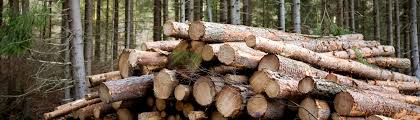
1. Tree Harvesting
Mature hardwood trees are harvested from managed forests.
2. Log Preparation
Logs are cut into transportable sections.
3. Sawmilling
Logs are sawn into plank dimensions.
4. Drying and Seasoning
Wood is kiln-dried or air-dried to reduce moisture content.
5. Planing and Finishing
Planks are smoothed and processed to required specifications.
6. Grading
Boards are classified based on:
- Grain quality
- Defects
- Strength
- Appearance
7. Packaging and Distribution
Finished planks are prepared for transport and commercial sale.
Tabulated Specification of Hardwood Planks
| Specification | Details |
|---|---|
| Product Name | Hardwood Planks |
| Common Species | Tectona grandis, Swietenia macrophylla |
| Product Type | Processed hardwood timber boards |
| Wood Texture | Fine to coarse depending on species |
| Grain Pattern | Straight, wavy, or interlocked |
| Density | Medium to high density |
| Surface Finish | Rough sawn, planed, polished, treated |
| Processing Forms | Boards, planks, flooring strips |
| Main Applications | Furniture, flooring, construction, interior decoration |
| Durability | High durability and wear resistance |
| Moisture Management | Kiln-dried or air-dried |
| Storage Conditions | Dry and ventilated timber storage |
| Packaging | Bundled timber stacks |
| Traceability | Forestry and timber production documentation |
Uses of Hardwood Planks
Hardwood planks are widely used in various industries:
1. Furniture Manufacturing
Used for:
- Tables
- Cabinets
- Beds
- Chairs
- Luxury furniture products
2. Flooring Systems
Popular in:
- Residential flooring
- Commercial hardwood floors
- Decorative flooring applications
3. Construction and Structural Applications
Used in:
- Beams
- Staircases
- Doors and windows
- Architectural woodwork
4. Interior Decoration
Applied in:
- Wall paneling
- Ceiling designs
- Decorative trims
- Luxury interiors
5. Marine and Outdoor Applications
Durable hardwood species are used in:
- Boat decking
- Outdoor furniture
- Pergolas and decking systems
Advantages of Hardwood Planks
1. High Strength and Durability
Hardwood planks withstand heavy use and environmental stress.
2. Attractive Appearance
Natural grain patterns enhance visual appeal.
3. Long Service Life
Hardwoods often last for decades with proper maintenance.
4. Excellent Finishing Properties
Can be polished, stained, or varnished effectively.
5. Versatile Applications
Suitable for structural, decorative, and industrial purposes.
Economic Importance
Hardwood planks contribute significantly to timber and construction industries by:
- Supporting furniture and interior design sectors
- Generating employment in forestry and sawmilling industries
- Promoting export-oriented timber trade
- Providing high-value materials for construction projects
- Encouraging sustainable forest management investments
Hardwood products remain essential in premium woodworking markets worldwide.
Environmental Considerations
Responsible hardwood plank production involves:
- Sustainable forestry practices
- Reforestation and plantation management
- Legal and certified timber sourcing
- Efficient timber utilization
- Protection of biodiversity and forest ecosystems
Certified sustainable hardwood products are increasingly demanded in international markets.
Storage and Handling Guidelines
To maintain product quality:
- Store in dry, ventilated conditions
- Protect from excessive moisture exposure
- Stack properly to prevent warping
- Avoid direct contact with soil
- Use careful handling to prevent surface damage
Proper storage preserves structural and aesthetic properties.
Quality Control Standards
High-quality hardwood planks must meet:
- Moisture content specifications
- Dimensional accuracy standards
- Strength and grading requirements
- Minimal defects and cracking
- Sustainable sourcing certifications
- Export and timber quality regulations
Conclusion
Hardwood planks are premium timber products valued for their durability, strength, aesthetic appeal, and versatility across construction, furniture, flooring, and decorative industries. Produced from hardwood species such as Tectona grandis, Swietenia macrophylla, and Milicia excelsa, hardwood planks provide long-lasting performance and visual elegance in both residential and commercial applications.
Their ability to combine structural reliability with natural beauty makes them one of the most important materials in premium woodworking and architectural projects. As sustainable forestry and responsible timber sourcing continue to grow in importance, hardwood planks remain valuable and environmentally responsible resources for global timber industries.
In essence, hardwood planks are not just processed timber boards—they are durable, versatile, and aesthetically refined building materials that support modern construction, design, and craftsmanship worldwide.