Jewelry is one of the oldest and most cherished forms of personal adornment in human history. For thousands of years, people across different cultures and civilizations have worn jewelry to express beauty, status, wealth, tradition, spirituality, and individuality. Today, jewelry remains an essential part of fashion and personal style, valued not only for its aesthetic appeal but also for its emotional, cultural, and symbolic significance.
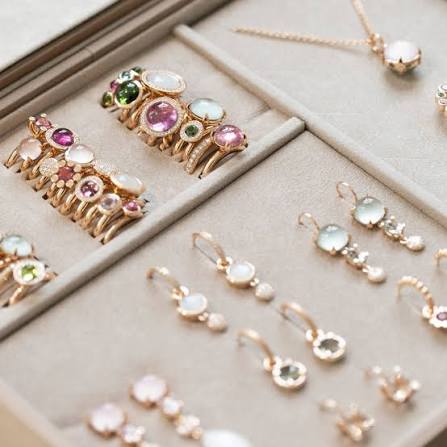
Jewelry encompasses a wide variety of decorative items, including necklaces, rings, bracelets, earrings, pendants, brooches, anklets, and body ornaments. These pieces are crafted from precious metals, gemstones, pearls, crystals, and other high-quality materials, offering endless possibilities in design and craftsmanship. Whether worn daily as subtle accessories or reserved for special occasions and celebrations, jewelry enhances personal appearance and serves as a meaningful reflection of individual taste.
The global jewelry industry continues to thrive due to growing consumer demand for fashionable, personalized, and luxury accessories. From timeless classic designs to modern contemporary creations, jewelry remains a symbol of elegance, sophistication, and self-expression.
Product Definition
Jewelry refers to decorative items worn on the body for adornment, cultural significance, personal expression, or ceremonial purposes. These items are commonly crafted from precious metals such as gold, silver, platinum, and stainless steel, often enhanced with gemstones, diamonds, pearls, crystals, or other decorative elements.
Jewelry is designed to complement clothing, enhance appearance, commemorate special occasions, and symbolize personal values, relationships, or achievements. Depending on its design and materials, jewelry may serve fashion, cultural, religious, sentimental, or investment purposes.
Product Specifications
The specifications of jewelry vary significantly depending on the type, material, craftsmanship, and intended use. The table below outlines common specifications found in jewelry products.
Specification
Description
Product Name
Jewelry
Product Type
Fashion and Personal Adornment Accessory
Primary Function
Decoration, self-expression, and symbolic significance
Fashion, gifting, ceremonial, cultural, and investment purposes
Product Features
1. Elegant Design
Jewelry is crafted to enhance beauty and sophistication. Designs range from minimalist and contemporary styles to intricate and luxurious creations.
2. High-Quality Materials
Premium jewelry utilizes carefully selected metals and gemstones that provide durability, beauty, and lasting value.
3. Exceptional Craftsmanship
Skilled artisans employ advanced techniques and attention to detail to create jewelry pieces with precision and artistic excellence.
4. Versatile Styling
Jewelry can complement casual, professional, formal, and ceremonial attire, making it suitable for numerous occasions.
5. Personalization Options
Many jewelry products can be customized through engraving, gemstone selection, initials, names, dates, or unique designs.
6. Long-Term Value
Precious metal and gemstone jewelry often retains value over time and may even appreciate depending on rarity and market demand.
7. Symbolic Significance
Jewelry frequently carries emotional, cultural, spiritual, or relationship-related meanings that enhance its personal importance.
8. Wide Variety of Choices
Consumers can select from countless styles, materials, and price ranges to suit their preferences and budgets.
Types of Jewelry
Rings
Rings are worn on the fingers and are among the most popular forms of jewelry. They are often associated with engagements, weddings, achievements, and personal style.
Necklaces
Necklaces are decorative chains or strands worn around the neck. They may feature pendants, gemstones, charms, or intricate designs.
Bracelets
Bracelets are worn around the wrist and are available in numerous styles, including chain bracelets, bangles, cuffs, and charm bracelets.
Earrings
Earrings are designed to adorn the ears and are available as studs, hoops, drops, chandeliers, and other fashionable designs.
Pendants
Pendants are decorative ornaments suspended from chains or necklaces and often feature symbolic, artistic, or personalized elements.
Brooches
Brooches are decorative pins attached to clothing for both functional and ornamental purposes.
Anklets
Anklets are worn around the ankle and are popular fashion accessories in many cultures.
Body Jewelry
Body jewelry includes specialized adornments designed for various body piercings and decorative applications.
Uses of Jewelry
1. Personal Adornment
The primary purpose of jewelry is to enhance physical appearance and complement individual style.
2. Fashion Enhancement
Jewelry serves as a fashion accessory that adds elegance, sophistication, and personality to outfits.
3. Symbolizing Relationships
Engagement rings, wedding bands, friendship bracelets, and family heirlooms often symbolize important relationships and commitments.
4. Celebrating Special Occasions
Jewelry is commonly gifted and worn during birthdays, anniversaries, graduations, weddings, and other significant life events.
5. Cultural and Religious Significance
Many cultures and religions incorporate jewelry into traditional ceremonies, rituals, and symbolic practices.
6. Professional and Formal Wear
Elegant jewelry enhances professional attire and formal event outfits, contributing to a polished appearance.
7. Collecting and Investment
Certain jewelry pieces, particularly those made from precious metals and rare gemstones, are purchased as investments and collectible items.
8. Personal Expression
Jewelry allows individuals to showcase their personality, beliefs, creativity, and aesthetic preferences.
Advantages of Using Jewelry
Enhanced Appearance
Jewelry adds beauty, elegance, and visual appeal, helping individuals create distinctive and attractive looks.
Emotional Value
Many jewelry pieces hold sentimental significance and become treasured keepsakes passed down through generations.
Versatility
Jewelry is available in styles suitable for everyday wear, business settings, special occasions, and formal events.
Long-Term Durability
Quality jewelry can remain beautiful and functional for decades with proper care and maintenance.
Gift-Giving Appeal
Jewelry is widely regarded as a meaningful and memorable gift for loved ones and special occasions.
Potential Investment Value
Certain jewelry items made from precious materials can retain or increase their value over time.
Customization Opportunities
Personalized jewelry allows consumers to create unique pieces that reflect individual stories and preferences.
Care and Maintenance
Proper care is essential for preserving the beauty and longevity of jewelry.
Cleaning
Clean regularly using a soft cloth.
Use jewelry-specific cleaning solutions when appropriate.
Remove dirt and oils to maintain shine.
Storage
Store jewelry in individual compartments or soft pouches.
Keep pieces separated to prevent scratching.
Protect from excessive moisture and direct sunlight.
Handling
Remove jewelry during strenuous activities.
Avoid exposure to harsh chemicals, perfumes, and cleaning agents.
Inspect clasps, settings, and fasteners regularly.
Professional Maintenance
Have valuable jewelry professionally cleaned and inspected periodically.
Check gemstone settings for security and wear.
Market Demand and Popularity
Jewelry continues to be one of the most dynamic and influential sectors of the global fashion and luxury industries. Rising consumer interest in self-expression, luxury goods, personalized accessories, and meaningful gifts contributes to strong market demand. Technological advancements in jewelry design and manufacturing have expanded customization options, while sustainable and ethically sourced materials are increasingly influencing consumer purchasing decisions.
The enduring appeal of jewelry across cultures, generations, and lifestyles ensures its continued relevance and popularity in both fashion and investment markets.
Conclusion
Jewelry is a timeless and valuable form of personal adornment that combines beauty, craftsmanship, symbolism, and self-expression. Designed to enhance appearance and commemorate meaningful moments, jewelry plays an important role in fashion, culture, tradition, and personal identity. Its wide range of styles, materials, and customization possibilities allows consumers to find pieces that suit their preferences, occasions, and budgets.
Whether worn as a fashion statement, cherished heirloom, cultural symbol, or investment asset, jewelry continues to captivate people around the world. Its enduring elegance, emotional significance, and artistic value ensure that jewelry remains one of the most treasured and sought-after accessories in modern society.