Lead ore is a naturally occurring mineral resource from which lead metal is extracted. Lead is a heavy, dense metal widely used in batteries, radiation shielding, alloys, construction materials, and industrial applications.
Lead ores are typically found in association with zinc, silver, and copper ores and are mined through underground or open-pit mining methods depending on deposit depth.
Definition of Lead Ore
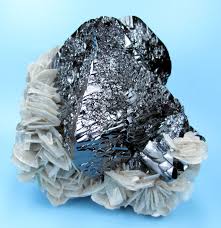
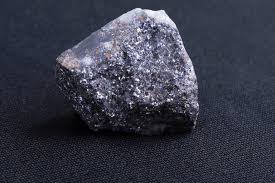
Lead ore refers to rock or mineral deposits containing economically recoverable concentrations of lead. The most important lead-bearing mineral is galena, which is the primary source of commercial lead production.
Lead commonly occurs in nature combined with sulfur, carbonate, or sulfate compounds.
Main Lead Ore Minerals
1. Galena (Primary Lead Ore)
Galena
Most important and abundant lead ore
Metallic gray, shiny appearance
High lead content
Often contains silver impurities
2. Cerussite
Cerussite
Secondary lead ore formed by weathering
White or colorless crystals
High lead content but less common than galena
3. Anglesite
Anglesite
Formed by oxidation of galena
Heavy, colorless to white mineral
Occurs in oxidized lead deposits
4. Pyromorphite
Pyromorphite
Green, yellow, or brown crystalline mineral
Secondary lead ore in oxidized zones
Less common but economically useful in some deposits
Physical and Chemical Characteristics of Lead Ore
Lead ores generally have:
High density and very heavy feel
Metallic to earthy luster
Colors ranging from gray, white, green, to brown
Presence of sulfur, carbonate, or sulfate compounds
Moderate to high lead content depending on ore type
Low hardness in many lead minerals
Poor electrical conductivity in ore form
Formation of Lead Ore
Lead ore deposits form through geological processes such as:
1. Hydrothermal Activity
Hot mineral-rich fluids deposit lead in rock fractures
2. Sedimentary Processes
Lead compounds accumulate in layered deposits
3. Oxidation and Weathering
Primary ores transform into secondary minerals
4. Geological Concentration
Lead becomes enriched in ore veins over time
Extraction and Processing of Lead Ore
1. Mining
Underground mining is most common
Some open-pit mining for shallow deposits
2. Crushing and Grinding
Ore is reduced into fine particles
3. Froth Flotation
Separates lead minerals from waste rock
4. Smelting
Lead is extracted by heating ore in a furnace
5. Refining
Removes impurities to produce high-purity lead
Tabulated Specification of Lead Ore
Specification
Details
Product Name
Lead Ore
Main Minerals
Galena, Cerussite, Anglesite, Pyromorphite
Chemical Composition
Lead sulfide, carbonate, sulfate, phosphate forms
Color
Gray, white, green, brown
Hardness
Low to moderate
Density
Very high (heavy mineral)
Solubility
Insoluble in water
Main Applications
Lead metal production, batteries, shielding
Processing Methods
Mining, flotation, smelting, refining
Storage Conditions
Dry, controlled storage areas
Uses of Lead (from Lead Ore)
1. Battery Industry (Major Use)
Lead-acid batteries for vehicles
Energy storage systems
2. Radiation Shielding
Used in hospitals and nuclear facilities
Blocks X-rays and gamma radiation
3. Construction Materials
Roofing sheets and waterproofing
Soundproofing materials
4. Industrial Applications
Cable sheathing
Chemical processing equipment
5. Alloys
Used in solder and metal alloys
Improves machinability and durability
Advantages of Lead
1. High Density
Excellent for shielding radiation.
2. Good Energy Storage Applications
Key material in rechargeable batteries.
3. Corrosion Resistance
Durable in many chemical environments.
4. Easy to Process
Low melting point makes it easy to cast.
5. Wide Industrial Use
Important in energy and manufacturing sectors.
Economic Importance
Lead ore contributes to global economies by:
Supporting automotive battery production
Enabling energy storage systems
Providing materials for construction and shielding
Creating mining and metallurgical jobs
Supporting recycling industries
It remains a significant industrial metal despite environmental concerns.
Environmental and Health Considerations
Lead mining and processing involve important risks:
Toxicity to humans and wildlife
Soil and water contamination risks
Air pollution from smelting processes
Mitigation measures include:
Strict industrial safety standards
Recycling of lead-acid batteries
Controlled emissions in smelting plants
Environmental rehabilitation of mining sites
Storage and Handling Guidelines
To maintain safety and quality:
Store in dry, sealed containers
Avoid dust generation and inhalation exposure
Use protective equipment during handling
Separate from food and agricultural materials
Follow industrial safety regulations
Conclusion
Lead ore is a heavy and economically important mineral resource primarily composed of galena (PbS), along with secondary minerals such as cerussite, anglesite, and pyromorphite. It is the main source of lead metal used in batteries, radiation shielding, construction, and industrial applications.
From automotive batteries and medical shielding to industrial alloys and chemical systems, lead plays a critical role in energy storage and specialized engineering applications.
In essence, lead ore is not just a mineral deposit—it is a strategic industrial resource that supports energy systems, infrastructure, and modern technology, while requiring careful environmental management due to its toxicity.