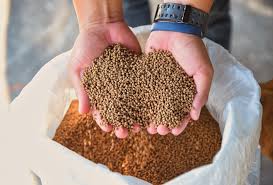
Local Rice – Premium Naturally Cultivated Staple Grain for Daily Nutrition and Food Security
Introduction
Local rice is one of the most important staple food grains consumed across many regions of the world. Cultivated by local farmers using traditional and modern agricultural practices, local rice plays a significant role in food security, economic development, and daily nutrition. It is highly valued for its freshness, natural taste, affordability, and adaptability to local cuisines and dietary preferences. In many communities, local rice serves as a dependable source of nourishment and income, supporting both rural livelihoods and domestic food supply systems.
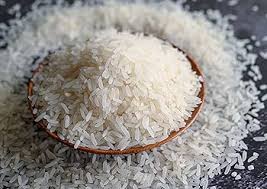
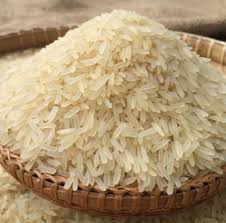
Rice is scientifically known as Oryza sativa and belongs to the grass family Poaceae. Local rice refers to rice varieties cultivated, harvested, processed, and distributed within a particular country or region. Unlike imported rice, local rice is often appreciated for its freshness, natural aroma, authenticity, and support for local agricultural economies. Depending on the region of cultivation, local rice may be available as long-grain, medium-grain, short-grain, white rice, brown rice, or aromatic rice varieties.
The increasing demand for locally produced food has enhanced the commercial importance of local rice in domestic markets. Consumers are becoming more interested in food products that are fresh, naturally cultivated, and supportive of local farmers and agricultural industries. Local rice satisfies these expectations by offering reliable quality, rich taste, and easy availability.
Local rice is cultivated in fertile farmlands under favorable climatic conditions using sustainable farming techniques. Farmers carefully manage planting, irrigation, fertilization, harvesting, drying, milling, and storage processes to maintain grain quality and nutritional value. After harvesting, the rice undergoes cleaning, dehusking, polishing, grading, and packaging to prepare it for commercial distribution and consumption.
Nutritionally, local rice provides carbohydrates, proteins, vitamins, minerals, and dietary energy essential for human health and daily activities. It is commonly consumed with vegetables, meat, fish, sauces, soups, and traditional dishes prepared in households, restaurants, and catering services. Due to its versatility and digestibility, local rice remains suitable for individuals of all age groups.
In addition to household consumption, local rice supports restaurants, hotels, food vendors, catering businesses, and food-processing industries. It is widely used in preparing steamed rice, fried rice, jollof rice, rice porridge, rice flour products, and many traditional recipes. Its adaptability to different cooking styles and recipes contributes to its growing popularity among consumers and food service providers.
Local rice production also contributes significantly to economic growth by creating employment opportunities in farming, transportation, processing, packaging, and retail sectors. Governments and agricultural organizations in many countries continue to encourage local rice cultivation to strengthen food independence and reduce reliance on imported grains.
Today, local rice remains a trusted and essential agricultural commodity that supports nutrition, trade, and sustainable agriculture. Its freshness, affordability, nutritional value, and cultural importance continue to make it one of the most widely consumed staple foods in modern society.
Product Definition
Local rice is rice cultivated, processed, and distributed within a specific country or region for domestic consumption and commercial use. It is obtained from the rice plant (Oryza sativa) and processed through harvesting, drying, milling, cleaning, and grading to produce edible rice grains suitable for cooking and food preparation.
Local rice is valued for its freshness, natural flavor, affordability, and contribution to local agricultural development. It is supplied in different grain types, grades, and packaging options depending on market demand and customer preferences.
Product Features
1. Freshly Cultivated Grain
Local rice is often processed shortly after harvesting, helping preserve freshness, aroma, and nutritional value.
2. Natural Taste and Aroma
The rice offers a rich and authentic flavor preferred in many traditional and local dishes.
3. High Nutritional Value
Local rice contains carbohydrates, proteins, vitamins, and minerals that support balanced nutrition and energy production.
4. Affordable Food Source
It serves as a cost-effective staple food suitable for households, restaurants, and food service businesses.
5. Versatile Culinary Applications
Local rice can be prepared in various ways including steaming, frying, boiling, and baking.
6. Supports Local Agriculture
Purchasing local rice contributes to the growth of domestic farming communities and agricultural industries.
Tabulated Product Specifications
| Parameter |
Specification |
| Product Name |
Local Rice |
| Scientific Name |
Oryza sativa |
| Grain Type |
Long Grain / Medium Grain |
| Color |
White / Creamy White |
| Moisture Content |
Maximum 14% |
| Purity |
95% – 99% |
| Broken Grains |
5% – 25% Depending on Grade |
| Foreign Matter |
1% Maximum |
| Damaged Grains |
1% – 2% Maximum |
| Texture After Cooking |
Soft and Fluffy |
| Shelf Life |
12 – 24 Months |
| Packaging |
PP Bags / Jute Bags |
| Packaging Sizes |
1kg, 5kg, 25kg, 50kg |
| Storage Condition |
Cool and Dry Place |
| Main Applications |
Household and Commercial Cooking |
| Quality Grade |
Standard / Premium Grade |
| Origin |
Locally Farmed and Processed |
Nutritional Composition
Local rice provides essential nutrients necessary for maintaining health and supporting daily physical activities.
Carbohydrates
Rice is rich in carbohydrates that provide the body with energy for daily functioning and metabolism.
Protein
Local rice contains moderate protein levels that contribute to muscle development and tissue maintenance.
Vitamins
The rice contains small amounts of B vitamins that support metabolism and energy conversion.
Minerals
Important minerals such as magnesium, phosphorus, potassium, and iron are naturally present in rice.
Low Fat Content
Local rice contains very low fat levels, making it suitable for balanced diets.
Uses of Local Rice
1. Household Consumption
Local rice is widely consumed in homes as a daily staple food because of its affordability, taste, and versatility.
Common Household Meals
- Steamed rice
- Fried rice
- Jollof rice
- Rice porridge
- Coconut rice
- Rice and stew
- Rice with vegetables
- Rice soup dishes
Its adaptability makes it suitable for numerous traditional and modern recipes.
2. Restaurant and Catering Services
Restaurants, hotels, and catering companies use local rice for preparing meals in both small and large quantities.
3. Food Vendors and Street Food Businesses
Local rice is commonly used by food vendors because it is economical, filling, and easy to prepare.
4. Food Processing Industry
Rice processors use local rice in the production of rice flour, rice snacks, breakfast cereals, and packaged meals.
5. Traditional and Cultural Dishes
Many traditional dishes are prepared specifically using local rice varieties because of their flavor and cooking characteristics.
Cultivation and Processing
The quality of local rice depends greatly on proper farming and processing methods.
Land Preparation
Farmers prepare fertile farmland suitable for healthy rice cultivation and maximum yield.
Planting and Irrigation
Rice is planted and irrigated carefully to ensure proper growth and grain development.
Harvesting
The rice crop is harvested at maturity to maintain grain quality and minimize losses.
Drying
Freshly harvested rice is dried to reduce moisture content and improve storage stability.
Milling and Cleaning
The rice undergoes milling, cleaning, sorting, and grading to remove impurities and produce quality grains ready for consumption.
Packaging
The processed rice is packaged in durable materials for safe storage and transportation.
Quality Assurance
Premium local rice undergoes various quality control procedures to ensure customer satisfaction and food safety.
Quality assurance measures include:
- Proper seed selection
- Controlled farming practices
- Hygienic processing
- Mechanical cleaning and grading
- Moisture testing
- Foreign matter removal
- Packaging inspection
- Storage monitoring
These procedures help maintain grain quality throughout the supply chain.
Packaging and Storage
Local rice is packaged using moisture-resistant materials designed to preserve freshness and grain quality during handling and transportation.
Recommended storage conditions include:
- Cool and dry environment
- Proper ventilation
- Protection from pests
- Minimal exposure to moisture
- Elevated pallet storage
- Avoidance of direct sunlight
Proper storage practices help maintain shelf life and nutritional quality.
Advantages of Local Rice
Fresh Supply
Locally produced rice is often fresher than imported alternatives because of shorter transportation and storage periods.
Economic Importance
Local rice production supports farmers, processors, transporters, and retailers within the domestic economy.
Affordable Pricing
It provides an economical staple food option for households and businesses.
Cultural Relevance
Local rice varieties are well suited to traditional dishes and regional cooking preferences.
Food Security Support
Domestic rice production contributes to national food security and agricultural sustainability.
Commercial Importance
Local rice plays an important role in domestic agricultural trade and food supply systems. Increasing consumer preference for locally sourced products has strengthened market demand for local rice in many countries.
Reliable suppliers ensure:
- Consistent grain quality
- Hygienic processing
- Competitive pricing
- Timely delivery
- Safe packaging
- Stable supply volumes
These qualities support long-term customer confidence and market growth.
Conclusion
Local rice remains one of the most valuable and widely consumed staple foods due to its freshness, affordability, nutritional value, and cultural significance. Carefully cultivated and processed by local farmers and agricultural industries, local rice supports food security, economic development, and sustainable agriculture within domestic markets.
Its versatility allows it to be used in households, restaurants, catering services, food processing industries, and traditional cuisines. Rich in carbohydrates and essential nutrients, local rice provides reliable energy and balanced nutrition for millions of consumers worldwide.
With increasing support for locally sourced agricultural products, local rice continues to gain importance as a dependable food commodity that promotes community development, supports farmers, and satisfies consumer demand for quality staple foods. Its adaptability, accessibility, and commercial value ensure that local rice remains a trusted choice for daily consumption and food industry applications.