Fast delivery within 72 Hours
Lubricants
Contact Supplier
Supplier: beautifulrabbit596Phone: +4487567567
Email: facaban864@dysonc.com
Address: 7845 Bridge Road Westminster, United Kingdom
Visit Supplier Store
Black Friday Blowout!
Description
Lubricants – Detailed Product Description
Introduction
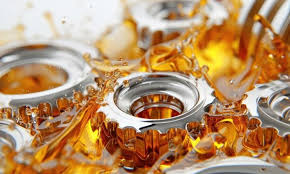
Lubricants are substances used to reduce friction, wear, and heat between moving mechanical parts. They are essential in machinery, engines, vehicles, and industrial equipment to ensure smooth operation, improve efficiency, and extend equipment lifespan.
Lubricants are produced from refined petroleum oils, synthetic chemicals, or natural oils, depending on performance requirements.
Definition of Lubricants
Lubricants are materials—usually liquid, semi-solid, or solid—that form a protective film between surfaces in relative motion to reduce friction and prevent direct contact.
A key base component used in many lubricants is:
Hydrocarbons
Types of Lubricants
1. Liquid Lubricants (Oils)
- Most common type
- Used in engines, machines, and gear systems
- Includes engine oil, hydraulic oil, and gear oil
2. Semi-Solid Lubricants (Grease)
- Thickened oil with additives
- Used in bearings, joints, and heavy machinery
3. Solid Lubricants
- Used where oils cannot be applied
- Includes graphite and molybdenum disulfide
4. Synthetic Lubricants
- Chemically engineered oils
- High performance under extreme temperatures
5. Bio-based Lubricants
- Derived from vegetable oils
- Environmentally friendly alternative
Physical and Chemical Characteristics of Lubricants
Lubricants generally have:
- Viscous or semi-solid texture
- High resistance to heat and pressure
- Low volatility (in oils and greases)
- Good thermal stability
- Anti-corrosion properties
- Water resistance (depending on type)
- Ability to form protective film on surfaces
Production of Lubricants
1. Base Oil Refining
Crude oil is refined to produce base oils.
2. Blending
Base oils are mixed with additives.
3. Additive Formulation
Additives improve performance (anti-wear, anti-foam, anti-oxidation).
4. Quality Testing
Viscosity, stability, and performance are tested.
Key Additives in Lubricants
- Anti-wear agents
- Detergents and dispersants
- Rust and corrosion inhibitors
- Viscosity index improvers
- Anti-foaming agents
Main Uses of Lubricants
1. Automotive Industry
- Engine oil for cars and motorcycles
- Transmission and gear oils
2. Industrial Machinery
- Factory machines and equipment
- Hydraulic systems
3. Construction Equipment
- Excavators, cranes, bulldozers
4. Marine and Aviation
- Ship engines and aircraft systems
5. Household Applications
- Small machines and tools
- Door hinges and mechanical parts
Tabulated Specification of Lubricants
| Specification | Details |
|---|---|
| Product Name | Lubricants |
| Base Materials | Petroleum oils, synthetic oils, natural oils |
| Physical State | Liquid, semi-solid, solid |
| Function | Reduces friction and wear |
| Thermal Stability | High |
| Viscosity Range | Low to very high (depending on type) |
| Corrosion Resistance | High (with additives) |
| Main Applications | Engines, machinery, industrial systems |
Advantages of Lubricants
1. Reduces Friction
Minimizes wear between moving parts.
2. Extends Machine Life
Protects equipment from damage.
3. Improves Efficiency
Reduces energy loss in machines.
4. Prevents Rust and Corrosion
Protects metal surfaces.
5. Controls Heat
Helps dissipate heat in engines and machinery.
Economic Importance
Lubricants are important because they:
- Support automotive and transport industries
- Enable smooth industrial production
- Reduce maintenance costs for machinery
- Increase efficiency of global logistics systems
- Play a key role in manufacturing and energy sectors
They are essential for nearly all mechanical systems.
Environmental Considerations
Lubricant use and disposal involve:
- Waste oil pollution risks
- Soil and water contamination if improperly disposed
- Energy use in production
Sustainability measures include:
- Recycling used oil
- Bio-based biodegradable lubricants
- Proper waste oil collection systems
- Cleaner additive technologies
Storage and Handling Guidelines
To maintain quality:
- Store in sealed containers
- Keep away from direct sunlight and heat
- Avoid contamination with dust or water
- Use clean dispensing equipment
- Separate different grades and types
Conclusion
Lubricants are essential industrial materials used to reduce friction, protect machinery, and improve operational efficiency. They include oils, greases, solids, and synthetic formulations designed for different mechanical and industrial applications.
From car engines and factory machines to ships and construction equipment, lubricants ensure smooth operation and long equipment life.
In essence, lubricants are not just oils—they are critical performance enhancers that keep modern machinery and industry running efficiently and reliably.