Mahogany logs are high-value hardwood timber products obtained from mature mahogany trees and processed into raw log form for use in furniture manufacturing, construction, interior decoration, boat building, veneer production, and other woodworking applications. Renowned for their durability, attractive grain patterns, workability, and rich reddish-brown coloration, mahogany logs are among the most sought-after tropical hardwood resources in global timber markets.
Mahogany wood has long been associated with luxury craftsmanship and premium wood products due to its excellent machining properties, dimensional stability, and natural resistance to decay. These characteristics make mahogany logs highly valuable in both domestic and international timber industries.
Mahogany timber is harvested from sustainably managed forests and plantations in tropical regions, where the trees grow to significant sizes suitable for commercial logging and export.
Definition of Mahogany Logs
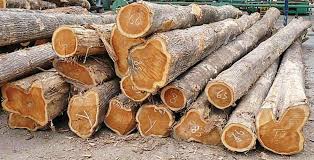
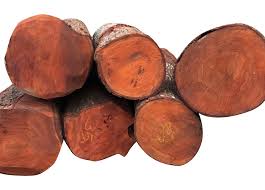
Mahogany logs are cylindrical sections of harvested mahogany tree trunks processed after felling and prepared for transport, sawing, veneer production, or further timber processing.
These logs are widely traded in the hardwood timber industry for premium wood applications.
Types of Mahogany Logs
1. African Mahogany Logs
Sourced from African mahogany species
Popular in furniture and joinery industries
Attractive grain and color consistency
2. Genuine Mahogany Logs
Derived from true mahogany species such as Swietenia
Considered premium-grade hardwood timber
3. Plantation-Grown Mahogany Logs
Produced from managed forestry plantations
Supports sustainable timber supply
4. Veneer-Grade Mahogany Logs
High-quality logs selected for veneer slicing and decorative applications
5. Saw Logs
Processed into lumber, planks, and boards for construction and woodworking
Physical Characteristics of Mahogany Logs
Mahogany logs are valued for their distinctive physical features:
Reddish-brown to deep brown heartwood
Straight or slightly interlocked grain
Medium to coarse texture
Moderate density and weight
Excellent dimensional stability
Natural resistance to rot and insects
These qualities make mahogany highly desirable for premium wood products.
Harvesting and Processing Procedure
The production of mahogany logs involves several stages:
1. Forest Management
Trees are cultivated or managed under forestry regulations and sustainability practices.
2. Tree Selection
Mature trees with suitable diameter and quality are selected for harvesting.
3. Felling
Trees are carefully cut using forestry equipment.
4. Debarking and Cutting
Branches are removed and trunks cut into log sections.
5. Grading
Logs are graded based on:
Diameter
Straightness
Defects
Grain quality
6. Transportation
Logs are transported to sawmills, ports, or processing facilities.
Tabulated Specification of Mahogany Logs
Specification
Details
Product Name
Mahogany Logs
Common Species
Swietenia macrophylla, Khaya ivorensis
Product Type
Tropical hardwood timber
Wood Color
Reddish-brown to deep brown
Grain Pattern
Straight or interlocked
Texture
Medium to coarse
Density
Moderate hardwood density
Processing Forms
Logs, lumber, veneer, boards
Main Applications
Furniture, construction, joinery, veneer
Durability
High natural durability
Resistance Properties
Decay and insect resistant
Storage Conditions
Dry, ventilated timber yards
Packaging
Bulk timber transport
Traceability
Forestry and harvest documentation
Uses of Mahogany Logs
Mahogany logs are widely used in multiple industries:
1. Furniture Manufacturing
Used to produce:
Luxury furniture
Cabinets
Tables
Chairs
Bedroom furniture
2. Interior Decoration
Used in:
Wall paneling
Decorative trims
Doors and windows
Flooring systems
3. Veneer Production
High-grade logs are sliced into decorative veneers for premium surfaces.
4. Boat Building
Mahogany wood is valued for marine applications due to durability and appearance.
5. Musical Instruments
Used in guitars, pianos, and other premium instruments.
6. Construction and Joinery
Suitable for high-quality carpentry and architectural woodwork.
Advantages of Mahogany Wood
1. Attractive Appearance
Rich color and grain enhance aesthetic value.
2. Excellent Workability
Easy to cut, shape, sand, and polish.
3. Durability
Naturally resistant to decay and insects.
4. Dimensional Stability
Resists warping and shrinking.
5. Long Service Life
Suitable for long-lasting wood products.
Economic Importance
Mahogany logs contribute significantly to forestry economies by:
Supporting timber export industries
Generating employment in forestry and woodworking sectors
Providing raw materials for furniture manufacturing
Increasing revenue from sustainable forestry operations
Supporting international hardwood trade
Mahogany remains one of the most commercially valuable tropical hardwoods worldwide.
Environmental Considerations
Responsible mahogany production involves:
Sustainable forest management practices
Reforestation and plantation development
Compliance with forestry regulations and certifications
Protection of biodiversity and ecosystems
Prevention of illegal logging activities
Sustainable sourcing is increasingly important in global timber markets.
Storage and Handling Guidelines
To preserve timber quality:
Store logs in shaded, ventilated areas
Protect from excessive moisture and direct sunlight
Avoid prolonged ground contact
Apply anti-fungal and anti-insect treatments where necessary
Use proper lifting and transportation equipment
Proper handling helps reduce cracking and deterioration.
Quality Control Standards
High-quality mahogany logs must meet:
Diameter and length specifications
Minimal defects and knots
Proper moisture management
Sustainable harvest certification requirements
Traceability and legal sourcing standards
Timber grading and export quality regulations
Conclusion
Mahogany logs are premium tropical hardwood products highly valued for their beauty, durability, workability, and versatility in woodworking industries. Harvested from species such as Swietenia macrophylla, Khaya ivorensis, and Swietenia mahagoni, mahogany logs serve as important raw materials for furniture manufacturing, construction, interior design, and decorative applications.
Their rich appearance and long-lasting performance make them one of the most desirable hardwoods in global timber markets. With increasing emphasis on sustainable forestry and responsible timber sourcing, mahogany logs continue to play a major role in modern woodworking and forest-based industries.
In essence, mahogany logs are not just raw timber—they are premium hardwood resources that combine natural beauty, structural performance, and economic value in global forestry and manufacturing sectors.