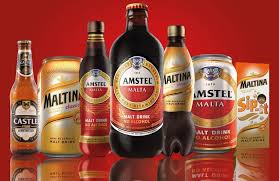
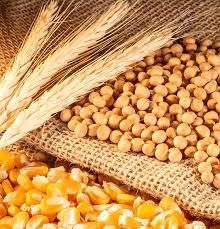
Malt drinks are non-alcoholic, nutrient-enriched beverages made from malted grains such as barley, sorghum, or wheat, combined with water, sweeteners, vitamins, and sometimes milk solids or cocoa. They are processed through malting, brewing, and fermentation control techniques, but without allowing alcohol formation (or with alcohol fully removed in production).
Malt drinks are known for their rich, slightly sweet, and roasted grain flavor. They are widely consumed as energy-boosting beverages due to their natural carbohydrate content and added nutrients. In many regions, malt drinks are considered both a refreshing beverage and a functional drink that supports energy, recovery, and general wellness.
Introduction
Malt drinks occupy a unique position in the global beverage industry, bridging the gap between soft drinks and nutritional supplements. They are derived from malted cereals, most commonly barley, which undergoes a controlled germination process known as malting. During malting, enzymes develop within the grain, breaking down starches into simpler sugars that contribute to the drink’s natural sweetness and energy content.
Originally developed as alternatives to alcoholic beverages, malt drinks have evolved into widely accepted non-alcoholic energy beverages consumed by people of all ages. Their popularity is especially strong in regions where affordable, energy-rich drinks are in high demand. Over time, manufacturers have enhanced malt drinks with vitamins such as B-complex, vitamin C, iron, and minerals to increase their nutritional value.
Malt drinks are typically dark brown in color with a smooth, thick or semi-thick consistency depending on formulation. They are available in both carbonated and non-carbonated forms, although non-carbonated versions are more common in many markets. The flavor profile is characterized by a roasted grain taste combined with sweetness from malt extract or added sugar.
One of the key reasons for the popularity of malt drinks is their association with energy and strength. Many consumers view them as functional beverages that help restore energy after physical activity, work, or study. They are also commonly used as family beverages, social drinks, and nutritional supplements in both urban and rural markets.
Modern malt drink production combines traditional brewing knowledge with advanced food processing technologies to ensure safety, consistency, and long shelf life. As consumer demand for healthier and more functional beverages continues to rise, malt drinks have expanded into new formulations such as low-sugar variants, fortified drinks, and milk-based malt beverages.
Today, malt drinks remain an important segment of the global non-alcoholic beverage market, valued for their taste, nutritional benefits, and affordability.
Product Specifications
Specification Parameter
Description
Product Name
Malt Drinks
Product Category
Non-Alcoholic Functional Beverage
Main Ingredients
Malted barley, sorghum, or wheat extract
Additional Ingredients
Water, sugar or sweeteners, vitamins, minerals, flavorings
Product Type
Ready-to-Drink Nutritional Beverage
Appearance
Dark brown liquid
Taste
Sweet with roasted grain flavor
Aroma
Malty, caramel-like grain aroma
Texture
Smooth, slightly thick or watery depending on formulation
Carbonation
Carbonated or non-carbonated variants available
Shelf Life
Typically 6–18 months depending on packaging
Packaging Types
Bottles, cans, cartons, glass bottles
Bottle Sizes
330 ml, 355 ml, 500 ml, 1 L, and bulk formats
Storage Conditions
Store in a cool, dry place away from sunlight
Nutritional Value
Source of carbohydrates, B vitamins, iron, and energy
Consumption Method
Ready-to-drink
Target Consumers
Children, teenagers, adults, and athletes
Quality Standards
Produced under food safety and beverage regulations
Portability
Highly portable in sealed packaging
Market Availability
Supermarkets, convenience stores, kiosks, and online platforms
Features of Malt Drinks
1. Energy-Rich Composition
Malt drinks are rich in natural carbohydrates derived from malted grains, making them a quick source of energy.
2. Distinctive Malty Flavor
They have a unique roasted grain taste that sets them apart from other soft drinks and flavored beverages.
3. Nutrient Fortification
Many malt drinks are enriched with vitamins and minerals such as vitamin B complex, iron, calcium, and magnesium.
4. Versatile Consumption
They can be consumed as breakfast drinks, energy boosters, or refreshing beverages throughout the day.
5. Wide Availability
Malt drinks are widely distributed and easily accessible in both urban and rural markets.
6. Long Shelf Stability
Proper processing and packaging allow malt drinks to remain stable for extended periods without spoilage.
7. Family-Friendly Beverage
Malt drinks are suitable for consumers of all age groups and are often marketed as family nutrition drinks.
Manufacturing Process
The production of malt drinks involves several controlled steps that ensure quality, flavor, and nutritional consistency.
Malting of Grains
Selected grains such as barley or sorghum are soaked in water to initiate germination. This activates enzymes that convert starch into fermentable sugars.
Drying and Milling
Germinated grains are dried and milled to produce malt extract or malt flour.
Extraction
Malt extract is obtained by mixing malted grains with water and heating to release soluble nutrients and sugars.
Filtration
The liquid is filtered to remove solid residues and ensure a smooth beverage base.
Formulation and Blending
Sugar, flavorings, vitamins, minerals, and other ingredients are added to enhance taste and nutritional value.
Heat Treatment
The beverage is pasteurized to eliminate microorganisms and ensure safety.
Carbonation (Optional)
For carbonated malt drinks, carbon dioxide is added under controlled pressure.
Filling and Packaging
The finished product is filled into bottles or cans under hygienic conditions and sealed.
Labeling and Distribution
Products are labeled, packed, and distributed to retail and wholesale markets.
Types of Malt Drinks
1. Non-Carbonated Malt Drinks
These are smooth, still beverages commonly consumed as nutritional drinks.
2. Carbonated Malt Drinks
These contain added carbonation for a fizzy and refreshing experience.
3. Milk-Based Malt Drinks
Combined with milk solids for enhanced creaminess and nutritional value.
4. Chocolate Malt Drinks
Infused with cocoa or chocolate flavor for a richer taste profile.
5. Low-Sugar Malt Drinks
Formulated with reduced sugar content for health-conscious consumers.
6. Fortified Malt Drinks
Enriched with added vitamins, minerals, and functional nutrients.
7. Energy Malt Drinks
Specially designed to provide higher energy levels for active individuals.
8. Instant Malt Beverage Powders
Dry formulations that can be mixed with water or milk before consumption.
Uses of Malt Drinks
1. Energy Boosting Beverage
Malt drinks are commonly consumed to restore energy after physical or mental exertion.
2. Breakfast Drink
They are often used as a morning beverage to provide quick nutrition and energy.
3. Sports and Physical Activity
Athletes and active individuals consume malt drinks for recovery and stamina support.
4. School and Academic Use
Students use malt drinks to maintain energy and focus during study sessions.
5. Family Beverage
Malt drinks are commonly served at home as a nutritious drink for all age groups.
6. Social and Hospitality Use
They are served at gatherings, events, hotels, and restaurants.
7. Travel Beverage
Their portability makes them suitable for travel and outdoor activities.
8. Nutritional Supplement
Malt drinks are often used as a supplementary source of vitamins and minerals.
9. Meal Companion
They are consumed alongside meals or snacks for added nutrition.
10. Recovery Drink
Used after illness or fatigue to help restore energy levels.
Advantages of Malt Drinks
Natural Energy Source
Malt drinks provide quick and sustained energy from carbohydrate-rich malted grains.
Nutritional Benefits
They often contain essential vitamins and minerals that support overall health.
Pleasant Taste
The smooth, malty flavor makes them enjoyable for a wide range of consumers.
Easy Availability
They are widely accessible in supermarkets, shops, and online platforms.
Convenient Packaging
Ready-to-drink formats make them easy to carry and consume.
Suitable for All Ages
Malt drinks are generally safe and suitable for children, adults, and elderly consumers.
Quality Considerations
To ensure high-quality malt drinks, manufacturers focus on:
Selection of high-quality grains
Controlled malting and extraction processes
Hygienic production environments
Accurate formulation and blending
Proper pasteurization
Safe packaging materials
Shelf-life stability testing
Compliance with food and beverage safety standards
These measures ensure safety, consistency, nutritional value, and consumer satisfaction.
Market Demand and Consumer Trends
The global malt drink market continues to grow due to increasing demand for functional and energy-boosting beverages. Key trends include:
Low-sugar malt beverages
Fortified nutritional drinks
Milk-based malt formulations
Organic grain-based beverages
Energy-focused malt drinks
Premium and flavored variants
Sustainable packaging solutions
Health-oriented beverage innovation
Consumers increasingly seek beverages that combine taste, energy, and nutrition, positioning malt drinks as a strong competitor in the functional beverage category.
Conclusion
Malt drinks are nutritious, energy-rich beverages made from malted grains and designed to provide both refreshment and functional health benefits. With their distinctive malty flavor, wide availability, and nutritional value, they have become a popular choice for consumers seeking a balanced and energizing drink.
Their applications extend from daily consumption and breakfast beverages to sports recovery, family nutrition, travel, and hospitality services. Supported by ongoing innovation in flavors, formulations, and health-focused enhancements, malt drinks continue to hold a strong position in the global beverage market.
As consumer demand for functional and nutritious beverages grows, malt drinks are expected to remain a reliable and evolving product category in the modern food and beverage industry.