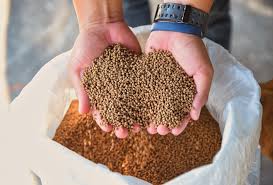
Organic cocoa is a premium agricultural product derived from the seeds of the cacao tree (Theobroma cacao) cultivated under certified organic farming practices. Unlike conventional cocoa, organic cocoa is grown without the use of synthetic fertilizers, pesticides, herbicides, or genetically modified organisms. It emphasizes sustainable agriculture, soil health, biodiversity conservation, and environmentally responsible farming systems.
Cocoa is one of the world’s most important tropical crops, widely grown in countries such as Côte d’Ivoire, Ghana, Nigeria, Ecuador, Peru, and Indonesia. Organic cocoa production is particularly significant in regions where smallholder farmers adopt eco-friendly practices to meet rising global demand for clean-label and ethically sourced products.
Organic cocoa is used as a raw material in chocolate manufacturing, cocoa powder production, beverages, confectionery, cosmetics, and nutraceutical products. It is valued not only for its rich chocolate flavor but also for its superior quality, traceability, and environmental sustainability.
Today, organic cocoa represents a fast-growing segment in the global cocoa industry, driven by increasing consumer awareness of health, environmental impact, and fair trade practices.
Definition of Organic Cocoa
Organic cocoa refers to cocoa beans that are grown, harvested, and processed according to certified organic agricultural standards. These standards prohibit synthetic chemicals and require natural farming methods that maintain ecological balance.
To be labeled organic, cocoa must be certified by recognized bodies such as USDA Organic, EU Organic, or other accredited certification organizations. This ensures that every stage—from cultivation to processing—meets strict environmental and safety guidelines.
Organic cocoa is typically produced using:
Natural compost and organic fertilizers
Biological pest control methods
Shade-grown agroforestry systems
Manual weed control practices
The result is a cleaner, more sustainable cocoa product with minimal environmental footprint.
Botanical Source
Organic cocoa comes from the cocoa tree:
Theobroma cacao
This tropical evergreen tree thrives in warm, humid climates with consistent rainfall and shaded growing conditions. It produces pods containing cocoa beans, which are the raw material for all cocoa-based products including organic cocoa powder, organic chocolate, and cocoa butter.
The tree plays an important ecological role in agroforestry systems by supporting biodiversity, preventing soil erosion, and providing shade for other crops.
Organic Cocoa Farming Practices
Organic cocoa production follows strict sustainable agricultural practices:
1. Organic Soil Management
Farmers use compost, animal manure, and plant-based fertilizers to enrich soil fertility naturally.
2. Pest and Disease Control
Instead of chemical pesticides, farmers use:
Neem-based sprays
Beneficial insects
Manual pest removal
Crop diversification
3. Shade-Grown Cultivation
Cocoa trees are grown under natural forest canopy or shade trees, which helps maintain ecological balance.
4. Agroforestry Systems
Cocoa is intercropped with bananas, plantains, timber trees, or fruit crops to improve biodiversity and income stability.
5. Manual Harvesting
Ripe cocoa pods are hand-harvested to ensure quality and prevent damage to trees.
6. Natural Fermentation and Drying
Beans are fermented and sun-dried without chemical treatments, preserving natural flavor development.
Production Process of Organic Cocoa
The processing of organic cocoa follows a natural and controlled sequence:
1. Harvesting
Ripe cocoa pods are carefully cut from trees using manual tools.
2. Pod Breaking
Pods are opened to extract cocoa beans surrounded by pulp.
3. Fermentation
Beans are fermented for several days to develop chocolate flavor precursors.
4. Drying
Beans are sun-dried to reduce moisture content and prevent spoilage.
5. Cleaning and Sorting
Beans are cleaned and sorted to remove defective or underdeveloped beans.
6. Roasting (Optional in Some Organic Systems)
Light roasting may be applied depending on product type.
7. Grinding and Processing
Beans are processed into cocoa liquor, cocoa powder, or cocoa butter under organic-certified facilities.
Physical and Sensory Characteristics
Organic cocoa has distinct qualities influenced by natural farming methods:
Rich brown to deep chocolate color
Strong natural cocoa aroma
Slightly fruity or earthy flavor notes
Smooth texture when processed into powder
Minimal chemical residue
High flavor complexity due to natural fermentation
Organic cocoa is often considered superior in flavor depth compared to conventionally produced cocoa.
Tabulated Specification of Organic Cocoa
Specification
Details
Product Name
Organic Cocoa Beans / Organic Cocoa Powder
Botanical Source
Theobroma cacao
Farming Method
Certified organic agriculture
Certification
USDA Organic, EU Organic, or equivalent
Form
Beans, nibs, powder, liquor
Color
Deep brown to dark chocolate brown
Aroma
Natural cocoa, earthy, fruity
Taste
Rich, slightly bitter, complex flavor profile
Additives
None (100% natural)
Moisture Content
≤ 7% (beans), ≤ 5% (powder)
Processing Chemicals
Not used
Shelf Life
12–24 months (proper storage)
Storage Conditions
Cool, dry, ventilated environment
Packaging
Jute bags, food-grade sacks, vacuum packs
Traceability
Farm-level traceable supply chain
Types of Organic Cocoa Products
1. Organic Cocoa Beans
Raw fermented and dried beans used for chocolate manufacturing and grinding into cocoa products.
2. Organic Cocoa Nibs
Crushed cocoa beans used in snacks, baking, and health foods.
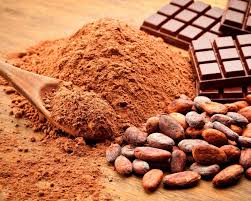
3. Organic Cocoa Powder
Finely ground cocoa solids used in beverages, baking, and confectionery.
4. Organic Cocoa Butter
Natural fat extracted from cocoa beans used in chocolate, cosmetics, and pharmaceuticals.
5. Organic Chocolate Products
Chocolate made entirely from organically certified cocoa ingredients.
Uses of Organic Cocoa
Organic cocoa is widely used across multiple industries due to its purity and natural quality:
1. Chocolate Manufacturing
Organic cocoa is the primary ingredient in premium chocolate products such as:
Organic dark chocolate
Bean-to-bar chocolate
Sugar-reduced chocolate
Specialty artisan chocolates
It is preferred for its clean flavor profile and ethical sourcing.
2. Beverage Industry
Organic cocoa powder is used in:
Hot chocolate drinks
Organic cocoa beverages
Plant-based chocolate milk
Functional wellness drinks
3. Bakery and Confectionery
It is used in:
Cakes and pastries
Brownies and cookies
Chocolates and truffles
Dessert toppings and fillings
4. Health and Nutritional Products
Organic cocoa is included in:
Energy bars
Protein supplements
Superfood blends
Antioxidant-rich health drinks
It is valued for its high flavonoid content.
5. Cosmetic Industry
Organic cocoa butter and cocoa extracts are used in:
Skin moisturizers
Lip balms
Anti-aging creams
Body lotions
They provide natural hydration and skin protection.
6. Pharmaceutical Applications
Cocoa compounds are used in:
Nutraceutical formulations
Mood-enhancing supplements
Antioxidant products
7. Fair Trade and Ethical Markets
Organic cocoa is strongly linked to:
Fair trade certification programs
Sustainable sourcing initiatives
Ethical consumer markets
Health Benefits of Organic Cocoa
Organic cocoa provides several natural health benefits due to its unprocessed nature:
1. Rich in Antioxidants
High levels of flavonoids help reduce oxidative stress and support overall health.
2. Supports Heart Health
May improve blood circulation and support cardiovascular function.
3. Enhances Mood
Natural compounds stimulate serotonin and endorphin production.
4. Brain Function Support
Flavonoids may improve memory, focus, and cognitive performance.
5. Nutrient-Rich
Contains magnesium, iron, potassium, and other essential minerals.
6. Cleaner Consumption
Free from synthetic chemical residues due to organic farming practices.
Storage and Handling Guidelines
Proper storage is essential to maintain quality:
Store in airtight containers or sealed sacks
Keep in cool, dry, and ventilated areas
Avoid direct sunlight and moisture exposure
Protect from pests and contamination
Maintain stable temperature conditions
Organic cocoa is sensitive to humidity and must be carefully preserved to prevent mold and quality loss.
Quality Control Standards
High-quality organic cocoa must meet strict requirements:
Certified organic compliance
Absence of chemical residues
Proper fermentation standards
Uniform bean size and color
Controlled moisture levels
Clean flavor profile without defects
Quality is verified through laboratory testing, sensory evaluation, and certification audits.
Economic Importance
Organic cocoa is a rapidly growing segment in the global cocoa industry. It provides higher income opportunities for farmers due to premium pricing and increasing demand from health-conscious and environmentally aware consumers.
It supports rural livelihoods, encourages sustainable farming systems, and strengthens export earnings for producing countries. The organic cocoa market is expanding in Europe, North America, and parts of Asia where demand for ethical and sustainable food products continues to rise.
Environmental Importance
Organic cocoa farming plays a vital role in environmental conservation:
Promotes biodiversity through agroforestry
Reduces chemical pollution in soil and water
Improves soil fertility naturally
Supports carbon sequestration through tree cover
Encourages sustainable land use practices
These benefits make organic cocoa a key component of climate-smart agriculture.
Conclusion
Organic cocoa is a premium, sustainably produced agricultural product that represents the future of ethical and environmentally responsible cocoa farming. Derived from the cacao tree (Theobroma cacao), it is cultivated without synthetic chemicals and processed using natural methods that preserve both quality and ecological balance.
Its applications span chocolate manufacturing, beverages, cosmetics, pharmaceuticals, and health foods, making it one of the most versatile natural ingredients in the global market. Beyond its commercial value, organic cocoa offers significant health benefits, environmental advantages, and social impact through fair trade and sustainable farming practices.
As global demand for clean-label and ethically sourced products continues to grow, organic cocoa is positioned as a key driver of innovation and sustainability in the cocoa industry.
In essence, organic cocoa is more than a product—it is a commitment to healthier consumption, environmental stewardship, and improved livelihoods for farming communities worldwide.