Black Friday Blowout!
Specification
Overview
Processor
Display
RAM
Storage
Video Card
Connectivity
Features
Battery
General
Description
Outdoor Furniture – Detailed Product Description
Introduction
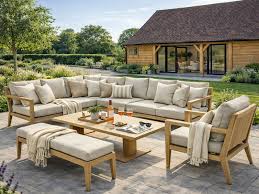
Outdoor furniture refers to specially designed furnishings used in exterior spaces such as gardens, patios, balconies, terraces, resorts, parks, and poolside areas. It is built to withstand varying weather conditions while providing comfort, functionality, and aesthetic appeal in open-air environments.
Unlike indoor furniture, outdoor furniture is exposed to sunlight, rain, humidity, dust, and temperature changes. For this reason, it is manufactured using durable materials such as treated wood, metal, rattan, plastic, and engineered composites that resist weather damage. Outdoor furniture plays a major role in enhancing relaxation spaces, hospitality environments, and residential landscapes.
It is widely used in homes, hotels, restaurants, resorts, and recreational areas where people gather to relax, socialize, or enjoy nature.
Definition of Outdoor Furniture
Outdoor furniture refers to weather-resistant furnishings designed for use in open or semi-open environments to support seating, dining, lounging, and decorative purposes.
Common wood materials used in outdoor furniture include:
Tectona grandis
Acacia mangium
Eucalyptus globulus
These species are preferred due to their natural resistance to moisture, insects, and decay.
Types of Outdoor Furniture
1. Outdoor Seating Sets
- Chairs, sofas, and benches
- Used in gardens, patios, and terraces
2. Outdoor Dining Sets
- Tables with matching chairs
- Ideal for patios, restaurants, and resorts
3. Garden Benches
- Fixed or movable seating structures
- Common in parks and residential gardens
4. Sun Loungers and Recliners
- Designed for relaxation near pools or beaches
- Adjustable backrests for comfort
5. Patio Tables
- Used for dining or decorative purposes outdoors
6. Swing Sets and Hammocks
- Provide leisure and relaxation
- Popular in gardens and resorts
7. Umbrellas and Shade Structures
- Provide protection from sun and rain
- Often paired with seating or dining sets
Physical Characteristics of Outdoor Furniture
Outdoor furniture typically features:
- Weather-resistant construction
- UV-protected and water-resistant finishes
- Strong and stable frames
- Anti-rust and anti-corrosion materials (for metal parts)
- Natural or synthetic wicker designs
- Lightweight or semi-heavy structures for mobility
- Easy-to-clean surfaces
These characteristics ensure long-term performance in outdoor environments.
Manufacturing Process of Outdoor Furniture
The production of outdoor furniture involves several stages:
1. Material Selection
Durable woods, metals, rattan, and synthetic materials are chosen based on climate resistance.
2. Cutting and Shaping
Materials are cut into required shapes for frames, legs, and seating components.
3. Treatment and Protection
Wood is treated with preservatives; metals are coated to prevent rust.
4. Assembly
Components are joined using screws, bolts, adhesives, or welding.
5. Surface Finishing
Furniture is painted, oiled, varnished, or coated with weatherproof finishes.
6. Cushioning and Upholstery (if applicable)
Outdoor fabrics resistant to water and UV rays are added.
7. Quality Testing
Products are tested for stability, durability, and weather resistance.
8. Packaging
Furniture is carefully packed for safe transport.
Tabulated Specification of Outdoor Furniture
| Specification | Details |
|---|---|
| Product Name | Outdoor Furniture |
| Common Materials | Tectona grandis, Acacia mangium, metal, rattan |
| Product Type | Exterior furnishing systems |
| Structure | Wood, metal, synthetic wicker, composite materials |
| Surface Finish | Weatherproof coating, oiling, painting, UV protection |
| Durability | High (designed for outdoor exposure) |
| Weather Resistance | UV, rain, humidity, and heat resistant |
| Main Components | Chairs, tables, benches, loungers, umbrellas |
| Maintenance | Regular cleaning and protective treatment |
| Applications | Gardens, patios, hotels, resorts, outdoor cafes |
| Storage Conditions | Covered or sheltered storage when not in use |
| Packaging | Weather-protected wrapping and reinforced packaging |
| Traceability | Manufacturing and material sourcing records |
Uses of Outdoor Furniture
Outdoor furniture is widely used in various environments:
1. Residential Outdoor Spaces
Used for:
- Gardens
- Balconies
- Terraces
- Backyards
2. Hospitality Industry
Used in:
- Hotels
- Resorts
- Beach lounges
- Poolside areas
3. Restaurants and Cafés
Used for:
- Outdoor dining areas
- Open-air seating arrangements
4. Public Parks and Recreational Areas
Used for:
- Public seating
- Relaxation zones
- Community gathering spaces
5. Commercial Spaces
Used in:
- Office outdoor lounges
- Event venues
- Exhibition spaces
Advantages of Outdoor Furniture
1. Weather Resistance
Designed to withstand sun, rain, and humidity.
2. Durability
Built with strong materials for long-term use.
3. Aesthetic Enhancement
Improves outdoor living spaces and landscapes.
4. Comfort and Relaxation
Provides seating and leisure areas in open environments.
5. Versatility
Suitable for homes, hotels, and public spaces.
6. Low Maintenance
Easy to clean and maintain with proper care.
Economic Importance
Outdoor furniture contributes significantly to global industries by:
- Supporting hospitality and tourism development
- Driving demand in furniture manufacturing sectors
- Creating employment in carpentry, metalwork, and design
- Enhancing real estate and landscaping markets
- Promoting export of lifestyle and luxury furniture products
It is a growing segment in modern lifestyle and leisure industries.
Environmental Considerations
Sustainable outdoor furniture production includes:
- Use of certified and plantation-grown timber
- Recycling of wood, metal, and plastic materials
- Use of eco-friendly protective coatings
- Reduction of non-biodegradable waste
- Adoption of durable designs to reduce replacement frequency
Eco-conscious manufacturing supports environmental sustainability.
Storage and Handling Guidelines
To maintain quality:
- Store under shade or covered areas
- Avoid prolonged exposure to harsh weather when not in use
- Clean regularly to remove dust and moisture
- Use protective covers during rainy seasons
- Handle carefully to prevent scratches or damage
Proper care extends product lifespan significantly.
Quality Control Standards
High-quality outdoor furniture must meet:
- Weather resistance and UV stability tests
- Structural strength and load-bearing standards
- Corrosion and decay resistance checks
- Surface durability and coating quality tests
- Safety and stability requirements
- Material certification compliance
Conclusion
Outdoor furniture is an essential component of modern living and hospitality spaces, designed to combine durability, comfort, and style in outdoor environments. Manufactured using high-quality materials such as Tectona grandis, Acacia mangium, and Eucalyptus globulus, it ensures long-lasting performance even under harsh weather conditions.
From gardens and patios to resorts and public parks, outdoor furniture enhances relaxation, social interaction, and aesthetic appeal in open spaces. As outdoor living becomes increasingly popular, demand for durable, stylish, and weather-resistant furniture continues to grow globally.
In essence, outdoor furniture is not just exterior seating or tables—it is a lifestyle-enhancing solution that transforms open spaces into comfortable, functional, and beautiful environments.


Reviews
Clear filtersThere are no reviews yet.