Packaged Fruit Juice – Ready-to-Drink Beverage for Nutrition, Convenience, and Modern Food Markets
Introduction
Packaged fruit juice is a commercially processed beverage made from fresh fruit juice, fruit puree, or fruit concentrates that are carefully formulated, pasteurized, and packaged for safe, convenient consumption. It is designed to provide the taste, aroma, and nutritional benefits of fruits in a ready-to-drink format with extended shelf life and consistent quality.
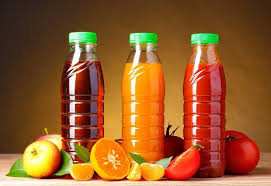
Packaged fruit juice is one of the most widely consumed beverage products in the global food industry. It is produced from a variety of fruits such as oranges, mangoes, apples, pineapples, grapes, passion fruit, guavas, and mixed fruit blends. These juices may be 100% fruit juice or blended formulations with controlled sugar levels, depending on market preferences and regulatory standards.
One of the key advantages of packaged fruit juice is its convenience. It eliminates the need for peeling, squeezing, or preparation, making it ideal for busy lifestyles, travel, school lunches, hospitality services, and retail consumption. It is available in cartons, bottles, cans, and pouches in both single-serve and bulk formats.
Packaged fruit juice also plays an important role in nutrition. It contains essential vitamins, minerals, antioxidants, and natural fruit compounds that support hydration, immunity, and energy. Many juices are fortified with additional nutrients such as vitamin C, calcium, and fiber to enhance their health benefits.
The global demand for packaged fruit juice continues to grow due to increasing consumer preference for healthy beverages, natural drinks, and convenient food products. It is widely distributed through supermarkets, convenience stores, hotels, restaurants, airlines, and institutional catering services.
Modern production of packaged fruit juice involves fruit selection, washing, extraction, filtration, pasteurization, blending, fortification, and aseptic packaging. These processes ensure product safety, flavor consistency, and long shelf life without the need for refrigeration in many cases.
Packaged fruit juice also supports agricultural value chains by creating demand for fresh fruits and reducing post-harvest losses through processing. It contributes significantly to the food and beverage industry, providing employment and income across farming, manufacturing, logistics, and retail sectors.
Today, packaged fruit juice remains a key beverage category globally, combining nutrition, convenience, and taste in a ready-to-consume format that fits modern lifestyles.
Product Definition
Packaged fruit juice is a processed beverage made from extracted fruit juice, puree, or concentrate that is pasteurized and sealed in containers for safe and convenient consumption. It may be 100% pure juice or a fruit drink with added water, natural flavors, or sweeteners depending on formulation standards.
It is designed for direct consumption without further preparation.
Product Features
1. Ready-to-Drink Convenience
Packaged fruit juice is pre-prepared and requires no additional processing.
2. Consistent Taste and Quality
Industrial processing ensures uniform flavor and product stability.
3. Nutrient-Rich Beverage
It contains vitamins, minerals, and antioxidants from natural fruits.
4. Extended Shelf Life
Pasteurization and packaging techniques increase storage stability.
5. Wide Variety of Flavors
Available in single-fruit and mixed fruit formulations.
6. Strong Market Demand
It is widely consumed in global retail and hospitality sectors.
Tabulated Product Specifications
Parameter
Specification
Product Name
Packaged Fruit Juice
Product Type
Ready-to-Drink Beverage
Base Ingredients
Fruit Juice / Concentrate / Puree
Fruit Content
10% – 100% (varies by type)
pH Level
3.0 – 4.5
Sugar Content
Natural or Added (regulated)
Shelf Life
Several months (unopened)
Packaging
Bottles / Cartons / Cans / Pouches
Packaging Sizes
200 ml – 2 liters (retail), bulk sizes
Storage Condition
Cool, dry place or ambient storage
Main Applications
Direct Consumption Beverage
Quality Grade
Food Grade / Premium
Processing Method
Pasteurization / Aseptic Filling
Origin
Industrial Fruit Processing
Nutritional Composition
Packaged fruit juice provides essential nutrients depending on fruit type and processing method.
Natural Sugars
Provide quick energy and refreshment.
Vitamins
Common vitamins include:
Vitamin C
Vitamin A
Vitamin B Complex
Folate
Minerals
Important minerals include:
Potassium
Calcium
Magnesium
Antioxidants
Help protect cells and support immune function.
Hydration Content
High water content supports body hydration.
Uses of Packaged Fruit Juice
1. Direct Consumption
Packaged juice is consumed as a ready beverage.
Common Uses
Breakfast drink
Refreshment beverage
On-the-go hydration
School and lunch drinks
2. Hospitality Industry
Widely used in hotels, restaurants, and catering services.
3. Retail and Supermarkets
Sold as packaged beverages for household consumption.
4. Institutional Supply
Used in schools, hospitals, airlines, and corporate catering.
5. Mixology and Beverage Industry
Used in cocktails, mocktails, and blended drinks.
Processing and Production
Packaged fruit juice production follows strict food safety standards.
Fruit Selection
High-quality ripe fruits are selected.
Washing and Cleaning
Fruits are cleaned to remove impurities.
Extraction
Juice is extracted using mechanical or industrial methods.
Filtration
Pulp, seeds, and solids are adjusted depending on product type.
Pasteurization
Heat treatment eliminates harmful microorganisms.
Fortification and Blending
Vitamins, flavors, or sweeteners may be added.
Packaging
Juice is sealed in sterile containers for distribution.
Quality Assurance
Strict quality control ensures safe and consistent juice products.
Quality assurance includes:
Raw fruit quality selection
Hygienic processing conditions
pH and sugar level testing
Microbial safety checks
Packaging integrity testing
Storage monitoring
Regulatory compliance
These measures ensure safe consumption and consistent quality.
Packaging and Storage
Proper packaging is essential for freshness and safety.
Common packaging options include:
Tetra packs
PET bottles
Glass bottles
Aluminum cans
Pouches
Recommended storage conditions include:
Cool or ambient dry storage
Protection from sunlight
Airtight sealing
Hygienic handling
Avoiding contamination after opening
Proper storage maintains taste and nutritional quality.
Advantages of Packaged Fruit Juice
High Convenience
Ready-to-drink format saves preparation time.
Nutritional Benefits
Provides vitamins, minerals, and hydration.
Long Shelf Life
Can be stored for months without spoilage (unopened).
Variety of Flavors
Available in many fruit combinations.
Wide Availability
Easily accessible in retail and institutional markets.
Commercial Importance
Packaged fruit juice is a major segment of the global beverage industry.
Reliable suppliers ensure:
Consistent fruit sourcing
Standardized processing
Food safety compliance
Competitive pricing
Efficient distribution
Export-quality packaging
Timely delivery
These factors support strong global demand and profitability.
Conclusion
Packaged fruit juice is a highly important modern beverage product that combines nutrition, convenience, and taste in a ready-to-drink format. It plays a significant role in global food and beverage markets by offering consumers a quick and reliable source of fruit-based nutrition.
Premium-quality packaged fruit juice is carefully produced through hygienic extraction, pasteurization, blending, and advanced packaging methods to ensure safety, consistency, and long shelf life. From households and schools to hotels and international markets, packaged fruit juice remains a preferred beverage choice worldwide.
As demand for healthy, convenient, and natural beverages continues to rise, packaged fruit juice remains a key commodity for farmers, processors, manufacturers, distributors, retailers, and consumers across the global food industry.