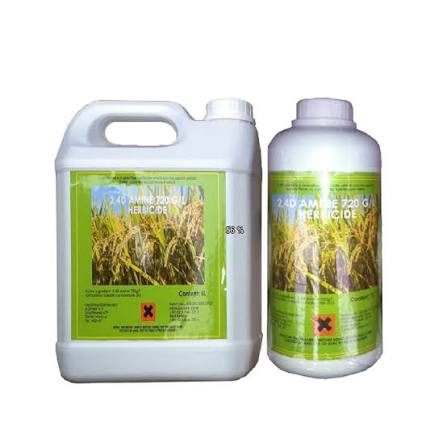
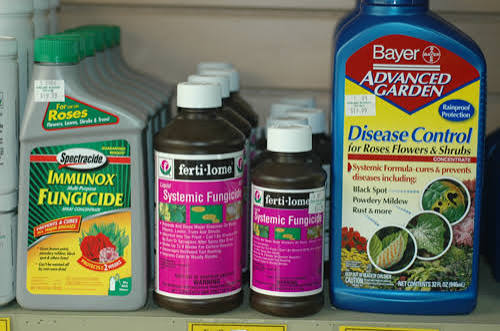
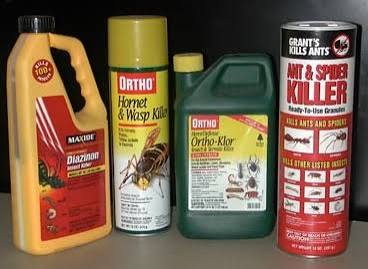
Herbicides are specialized agricultural and vegetation management products designed to control, suppress, or eliminate unwanted plants commonly referred to as weeds. Weeds compete with crops, ornamental plants, and turf for essential resources such as sunlight, water, nutrients, and growing space. Without effective weed management, agricultural productivity can decline significantly, resulting in reduced crop yields, lower product quality, and increased production costs.
As modern agriculture continues to evolve, herbicides have become one of the most important tools for efficient weed control. They help farmers, landscapers, gardeners, and land managers maintain healthy crops and vegetation by reducing weed pressure and improving growing conditions. Herbicides are widely used in agriculture, horticulture, forestry, turf management, industrial sites, transportation corridors, and residential landscapes.
Available in various formulations and modes of action, herbicides can target specific weed species or provide broad-spectrum control. Their proper use contributes to improved crop performance, enhanced land management, and increased operational efficiency. When applied according to recommended guidelines, herbicides play a vital role in integrated weed management programs and sustainable agricultural production systems.
Product Definition
A herbicide is a chemical or biological substance formulated to control, suppress, or destroy unwanted plants and weeds. Herbicides are applied to soil, crops, lawns, landscapes, industrial areas, and other managed environments to prevent weeds from competing with desirable vegetation.
Depending on their formulation and mode of action, herbicides may target specific weed species or provide control over a broad range of annual, biennial, and perennial weeds. Herbicides can be selective, affecting only certain plant types, or non-selective, affecting most vegetation they contact.
Product Specifications
The specifications of herbicides vary according to their active ingredients, formulation type, and intended application. The table below outlines common specifications associated with herbicide products.
Herbicides are specifically formulated to suppress or eliminate weeds that compete with desirable plants for resources and growing space.
2. Multiple Modes of Action
Different herbicides utilize various biological mechanisms to inhibit weed growth, ensuring effective control across a wide range of weed species.
3. Selective and Non-Selective Options
Selective herbicides target specific weeds without harming certain crops, while non-selective products control most vegetation within the treated area.
4. Systemic Activity
Many herbicides are absorbed and transported throughout the weed, allowing complete control of roots, stems, and foliage.
5. Contact Action
Some herbicides work by damaging only the plant tissues they directly contact, providing rapid visible results.
6. Pre-Emergence Protection
Pre-emergence herbicides prevent weed seeds from germinating, reducing weed populations before they become established.
7. Post-Emergence Control
Post-emergence herbicides control weeds that have already emerged and are actively growing.
8. Versatile Application Methods
Herbicides can be applied through various techniques, including foliar spraying, soil treatment, directed application, and spot treatment.
Types of Herbicides
Selective Herbicides
Selective herbicides control specific weed species while allowing desired crops or plants to remain unaffected. They are commonly used in agricultural production and turf management.
Non-Selective Herbicides
Non-selective herbicides control most vegetation they contact and are often used for site preparation, industrial weed management, and vegetation clearance.
Pre-Emergence Herbicides
These products are applied before weed seeds germinate, creating a protective barrier that inhibits weed establishment.
Post-Emergence Herbicides
Post-emergence herbicides target weeds after they have emerged and begun active growth.
Systemic Herbicides
Systemic herbicides move throughout the plant’s vascular system, controlling both visible growth and underground structures.
Contact Herbicides
Contact herbicides affect only the plant tissues they touch, often producing rapid results on exposed foliage.
Residual Herbicides
Residual herbicides remain active in the soil for a specified period, providing extended weed control.
Biological Herbicides
These products utilize naturally occurring organisms or biological compounds to suppress unwanted vegetation.
Uses of Herbicides
1. Agricultural Weed Management
Herbicides are extensively used to control weeds in crop fields, helping maximize agricultural productivity and crop quality.
2. Orchard and Plantation Maintenance
Fruit orchards, vineyards, and plantation crops utilize herbicides to manage competing vegetation around productive plants.
3. Turf and Lawn Care
Professional landscapers and homeowners use herbicides to maintain healthy lawns and attractive green spaces.
4. Forestry Operations
Herbicides help control invasive vegetation and support forest regeneration programs.
5. Industrial Site Management
Factories, warehouses, utility facilities, and industrial properties use herbicides to manage unwanted vegetation.
6. Transportation Corridors
Roadsides, railways, airports, and utility rights-of-way rely on herbicides for vegetation management and operational safety.
7. Landscape Maintenance
Herbicides assist in maintaining parks, gardens, sports fields, and public recreational areas.
8. Land Preparation
Before planting crops or establishing new landscapes, herbicides help remove existing vegetation and prepare sites efficiently.
Advantages of Herbicides
Improved Crop Yields
By reducing competition from weeds, herbicides help crops access nutrients, water, and sunlight more effectively, leading to higher yields.
Increased Efficiency
Herbicides provide a practical and efficient method of weed control compared to manual removal methods.
Reduced Labor Requirements
Large areas can be treated quickly, reducing labor costs and operational demands.
Enhanced Plant Health
Desired crops and ornamental plants benefit from reduced competition and improved growing conditions.
Flexible Application Options
Various formulations and treatment methods allow herbicides to be used across diverse environments and management systems.
Long-Term Weed Management
Certain products provide extended control through residual activity and pre-emergence protection.
Support for Modern Agriculture
Herbicides contribute significantly to efficient, large-scale agricultural production and land management.
Storage and Handling
Proper storage and handling are essential for maintaining product quality and ensuring safe use.
Storage Guidelines
Store in original, clearly labeled containers.
Keep in a cool, dry, and well-ventilated location.
Protect from extreme temperatures and direct sunlight.
Restrict access to authorized personnel.
Handling Precautions
Follow all manufacturer instructions and safety guidelines.
Use appropriate protective equipment during handling and application.
Prevent contamination of food, water, and non-target areas.
Application Practices
Apply according to recommended rates and timings.
Use calibrated equipment for accurate coverage.
Avoid applications during unfavorable weather conditions that may affect performance.
Market Demand and Industry Importance
Herbicides remain among the most widely used crop protection products globally due to their effectiveness in managing weeds and supporting agricultural productivity. Rising demand for food production, efficient land management, and sustainable farming practices continues to drive innovation within the herbicide industry.
Advancements in formulation technology, precision agriculture, integrated weed management, and environmentally responsible solutions are shaping the future of herbicide development. These innovations aim to improve efficacy, reduce environmental impact, and support long-term agricultural sustainability.
Conclusion
Herbicides are essential weed management products that play a critical role in agriculture, horticulture, forestry, landscaping, and industrial vegetation control. Designed to suppress or eliminate unwanted plants, they help improve crop yields, enhance plant health, reduce competition, and increase operational efficiency.
Available in a variety of formulations, application methods, and modes of action, herbicides provide effective solutions for diverse weed control challenges. Their contribution to modern agriculture and land management makes them indispensable tools for maintaining productive, healthy, and well-managed environments. When used responsibly and according to recommended guidelines, herbicides continue to support sustainable agricultural development and efficient vegetation management worldwide.