Supplier: brownladybug313 Phone: +419572314151 Email: lirode8841@dysonc.com Address: 7183 Place du 8 Février 1962 Belfaux, Switzerland Visit Supplier Store
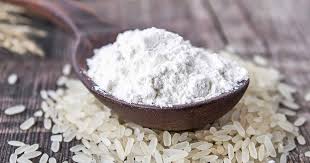
Rice flour is a finely milled powder made from polished or whole rice grains and is one of the most widely used gluten-free flours in global cuisine. Known for its smooth texture, neutral flavor, and excellent versatility, rice flour plays an important role in both traditional cooking and modern food manufacturing. It is commonly used in bakery products, snacks, noodles, batters, desserts, and as a thickening agent in soups and sauces.
Rice has been a staple food for more than half of the world’s population for centuries, especially in Asia, Africa, and parts of Latin America. Through milling technology, rice is transformed into flour that retains its natural purity while offering improved functionality for cooking and industrial applications. Its hypoallergenic and gluten-free nature makes it particularly valuable for individuals with gluten intolerance or celiac disease.
As consumer demand for alternative flours and clean-label ingredients continues to grow, rice flour has gained significant popularity in both household and commercial food production. Its ability to blend easily with other ingredients, create light textures, and maintain stability in recipes makes it an essential ingredient in modern food systems.
This comprehensive product description explores the definition, specifications, features, applications, benefits, storage guidelines, and overall importance of rice flour.
Product Definition
Rice flour is a fine powder obtained by grinding raw or cooked rice grains, which may include white rice, brown rice, or specialty rice varieties. The flour is naturally gluten-free and is widely used in cooking, baking, and food processing industries.
Depending on the type of rice used, rice flour may vary in texture, flavor, and nutritional value. White rice flour is smooth and neutral in taste, while brown rice flour contains higher fiber content and a slightly nutty flavor.
Rice flour is valued for its ability to create soft textures, crisp coatings, and stable mixtures, making it suitable for a wide range of culinary applications.
Product Specifications
The following table outlines the typical specifications of high-quality rice flour. Actual values may vary depending on rice variety, milling process, and manufacturer standards.
Specification
Description
Product Name
Rice Flour
Source Material
White Rice / Brown Rice
Appearance
Fine, smooth powder
Color
White or light cream (brown rice flour is slightly darker)
Texture
Soft and uniform
Moisture Content
Typically below 14%
Gluten Content
Naturally gluten-free
Taste
Neutral and mild
Odor
Fresh rice aroma
Shelf Life
12–24 months under proper storage
Packaging Options
500g, 1kg, 5kg, 10kg, 25kg, 50kg
Processing Method
Cleaning, soaking (optional), drying, milling
Storage Conditions
Cool, dry, and moisture-free environment
Additives
None (in pure rice flour)
Food Safety Compliance
HACCP, GMP, ISO Standards
Application Areas
Cooking, Baking, Food Manufacturing
Key Features
1. Naturally Gluten-Free
Rice flour contains no gluten, making it suitable for individuals with gluten intolerance, celiac disease, or those following gluten-free diets.
2. Smooth and Fine Texture
Its finely milled structure ensures easy mixing and uniform consistency in recipes.
3. Neutral Flavor
Rice flour has a mild taste that does not overpower other ingredients, making it highly adaptable in both sweet and savory dishes.
4. High Versatility
It can be used in baking, frying, thickening, coating, and traditional cooking applications.
5. Excellent Thickening Ability
Rice flour is commonly used to thicken soups, sauces, gravies, and desserts without altering flavor.
6. Lightweight Baking Results
It produces soft, delicate textures in cakes, pastries, and baked goods when blended with other flours.
7. Good Binding Properties
Rice flour helps bind ingredients together in batters, doughs, and processed foods.
8. Long Shelf Life
When stored properly, rice flour maintains its quality and usability for extended periods.
9. Easy Digestibility
Rice flour is gentle on the digestive system and widely used in dietary and infant foods.
10. Wide Culinary Acceptance
It is a globally recognized ingredient used in many traditional and modern recipes.
Types of Rice Flour
White Rice Flour
Made from polished white rice.
Characteristics:
Fine texture
Neutral flavor
Smooth consistency
Uses:
Cakes
Noodles
Sauces
Baked goods
Brown Rice Flour
Produced from whole grain brown rice.
Characteristics:
Higher fiber content
Nutty flavor
Slightly coarse texture
Uses:
Healthy baking
Whole grain products
Nutritional foods
Glutinous Rice Flour
Also known as sticky rice flour.
Characteristics:
Highly elastic when cooked
Sticky texture
Smooth finish
Uses:
Dumplings
Mochi
Asian desserts
Pre-Gelatinized Rice Flour
Processed for instant thickening ability.
Characteristics:
Instant solubility
Easy blending
No cooking required for thickening
Uses:
Instant foods
Baby foods
Ready-to-eat products
Uses of Rice Flour
Baking Industry
Rice flour is widely used in gluten-free baking and specialty products.
Products:
Cakes
Cookies
Muffins
Bread alternatives
Traditional Cuisine
It plays a major role in many cultural dishes around the world.
Examples:
Rice cakes
Dumplings
Flatbreads
Traditional desserts
Thickening Agent
Rice flour is commonly used to thicken liquid-based foods.
Applications:
Soups
Sauces
Gravies
Puddings
Snack Production
It is used in manufacturing crispy and light snack products.
Products:
Crackers
Chips
Extruded snacks
Fried coatings
Coating and Frying
Rice flour provides a crispy texture when used in coatings.
Applications:
Fried chicken
Fish coating
Vegetable fritters
Tempura-style foods
Gluten-Free Food Manufacturing
Rice flour is a key ingredient in gluten-free product development.
Applications:
Gluten-free bread
Pasta alternatives
Health foods
Specialty diets
Household Cooking
It is commonly used in everyday cooking.
Uses:
Pancakes
Batter mixtures
Homemade noodles
Traditional recipes
Nutritional Benefits
Source of Energy
Rice flour provides carbohydrates that supply energy for daily activities.
Gluten-Free Alternative
It supports dietary needs for people avoiding gluten.
Easy to Digest
Rice flour is gentle on the stomach and suitable for sensitive diets.
Low Fat Content
It naturally contains low fat levels, making it suitable for balanced diets.
Supports Dietary Diversity
It allows preparation of a wide variety of dishes across cultures.
Benefits of Rice Flour
Highly Versatile Ingredient
Suitable for cooking, baking, frying, and industrial food production.
Neutral Taste Profile
Blends well with other ingredients without altering flavor.
Reliable Performance
Provides consistent results in recipes and food manufacturing.
Long Storage Stability
Maintains quality when stored under proper conditions.
Wide Market Demand
Used globally in both traditional and modern food industries.
Supports Gluten-Free Innovation
Essential for developing gluten-free products.
Cost-Effective Ingredient
Affordable and widely available across global markets.
Enhances Food Texture
Improves crispiness, softness, or thickness depending on usage.
Storage Recommendations
Proper storage ensures product freshness and quality.
Guidelines:
Store in a cool, dry place
Avoid moisture and humidity exposure
Keep in airtight containers after opening
Protect from pests and contamination
Store away from direct sunlight
Use proper stock rotation methods
Quality Assurance
High-quality rice flour is produced under strict safety and hygiene standards.
Quality Control Processes:
Selection of premium rice grains
Cleaning and impurity removal
Controlled milling processes
Moisture content regulation
Laboratory testing for purity
Hygienic packaging
Conclusion
Rice flour is a highly versatile, naturally gluten-free, and widely used food ingredient that plays a vital role in global cuisine and food manufacturing. Its smooth texture, neutral flavor, and excellent functional properties make it suitable for baking, cooking, frying, thickening, and specialty food production.
With increasing demand for gluten-free and clean-label products, rice flour continues to grow in importance across household kitchens, bakeries, and industrial food processing facilities. Its adaptability, nutritional benefits, and wide culinary acceptance ensure its place as a staple ingredient in both traditional and modern diets.
As food innovation advances, rice flour will remain a key component in developing healthier, more diverse, and globally accessible food products.