Fast delivery within 72 Hours

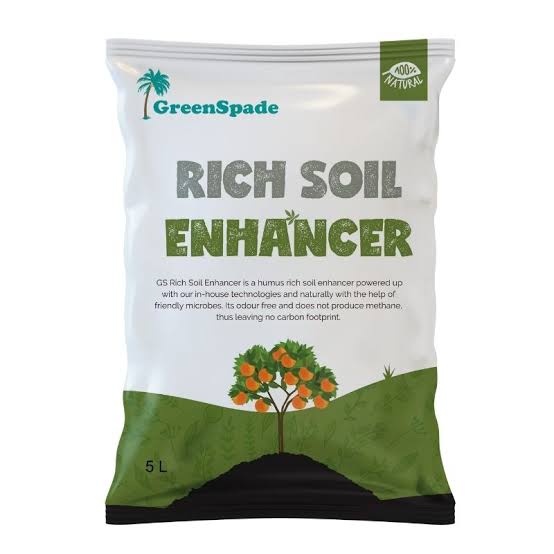
Soil enhancers

Report Abuse

Description

Soil Enhancers: A Comprehensive Product Description

Introduction

Soil enhancers are essential agricultural and horticultural products designed to improve soil quality, fertility, structure, and biological activity. Healthy soil serves as the foundation for successful crop production, landscaping, gardening, and environmental sustainability. However, factors such as intensive farming, erosion, nutrient depletion, compaction, and environmental stress can reduce soil productivity over time. Soil enhancers help restore and maintain soil health, creating favorable conditions for plant growth and long-term agricultural success.

Unlike traditional fertilizers that primarily supply nutrients, soil enhancers focus on improving the physical, chemical, and biological properties of soil. They increase the soil’s ability to retain water and nutrients, promote beneficial microbial activity, improve aeration, and support root development. These benefits contribute to healthier plants, increased crop yields, and more efficient use of agricultural resources.

Soil enhancers are widely used in agriculture, horticulture, landscaping, forestry, greenhouse production, and home gardening. Available in organic, mineral-based, biological, and synthetic formulations, they provide solutions for a wide range of soil management challenges and environmental conditions.

Product Definition

A soil enhancer is a natural or manufactured product applied to soil to improve its physical structure, nutrient-holding capacity, moisture retention, biological activity, and overall productivity. Soil enhancers help create a healthier growing environment for plants by addressing soil limitations and supporting sustainable soil management practices.

These products may contain organic matter, beneficial microorganisms, minerals, humic substances, biochar, composted materials, or other components that improve soil performance without necessarily functioning as primary nutrient fertilizers.

Product Specifications

The specifications of soil enhancers vary according to formulation, composition, and intended application. The table below outlines common specifications associated with soil enhancer products.

Specification Description
Product Name Soil Enhancer
Product Type Soil Improvement and Conditioning Product
Primary Function Improving soil health, structure, and productivity
Composition Organic matter, humic substances, biochar, minerals, microorganisms, composted materials
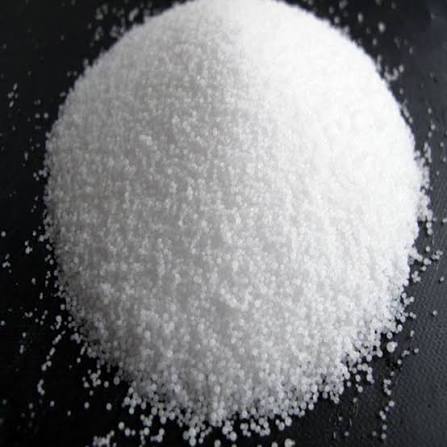
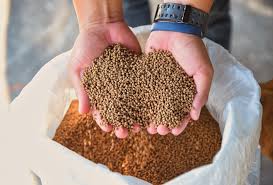
Form Types Granules, pellets, powder, liquid, compost blends
Application Method Soil incorporation, top dressing, irrigation systems, planting hole application
Soil Compatibility Sandy, clay, loamy, degraded, and compacted soils
Water Retention Capability Enhanced moisture retention properties
Biological Activity Supports beneficial soil microorganisms
Nutrient Retention Improves nutrient availability and uptake
Shelf Life Typically 1–5 years depending on formulation
Packaging Sizes Small garden packs to commercial agricultural quantities
Environmental Impact Supports sustainable soil management
Storage Requirements Cool, dry, and protected conditions
Usage Areas Agriculture, horticulture, landscaping, forestry, gardening

Product Features

1. Improved Soil Structure

Soil enhancers help create a balanced soil structure by improving aggregation, reducing compaction, and increasing porosity.

2. Enhanced Water Retention

Many soil enhancers improve the soil’s ability to retain moisture, helping plants withstand dry conditions and reducing irrigation requirements.

3. Increased Nutrient Availability

By improving nutrient retention and reducing leaching losses, soil enhancers make nutrients more accessible to plant roots.

4. Support for Beneficial Microorganisms

Healthy microbial populations play a critical role in nutrient cycling and soil fertility. Soil enhancers promote microbial activity and biodiversity.

5. Improved Root Development

Better soil conditions encourage stronger root systems, allowing plants to access water and nutrients more effectively.

6. Reduction of Soil Compaction

Certain formulations help loosen compacted soils, improving aeration and root penetration.

7. Sustainable Soil Management

Soil enhancers contribute to long-term soil productivity and environmental sustainability.

8. Compatibility with Agricultural Practices

They can be integrated with fertilizers, irrigation systems, and crop management programs.

Types of Soil Enhancers

Organic Matter-Based Enhancers

These products contain compost, decomposed plant material, manure, or other organic substances that improve soil fertility and structure.

Humic and Fulvic Acid Products

Humic substances improve nutrient availability, soil biology, and overall soil performance.

Biochar

Biochar is a carbon-rich material that enhances water retention, nutrient-holding capacity, and microbial activity.

Microbial Soil Enhancers

These products contain beneficial bacteria, fungi, and microorganisms that improve nutrient cycling and soil health.

Mineral Soil Conditioners

Mineral-based products such as gypsum and certain rock minerals help improve soil structure and chemical balance.

Liquid Soil Enhancers

Liquid formulations allow convenient application through irrigation systems or direct soil treatment.

Compost-Based Products

Compost enriches soil with organic matter and beneficial microorganisms while improving fertility.

Specialty Soil Enhancers

These formulations target specific soil challenges such as salinity, acidity, nutrient deficiencies, or poor drainage.

Uses of Soil Enhancers

1. Improving Agricultural Productivity

Farmers use soil enhancers to create healthier soils that support improved crop growth and higher yields.

2. Restoring Degraded Soils

Soil enhancers help rehabilitate soils affected by erosion, nutrient depletion, compaction, and environmental degradation.

3. Supporting Sustainable Farming

They contribute to long-term soil health and reduced dependence on intensive soil inputs.

4. Enhancing Water Efficiency

Improved moisture retention helps reduce irrigation requirements and supports drought resilience.

5. Landscaping and Lawn Care

Landscapers use soil enhancers to establish healthy lawns, gardens, parks, and recreational areas.

6. Greenhouse and Nursery Production

Controlled growing environments benefit from optimized soil conditions provided by soil enhancement products.

7. Tree and Forestry Applications

Soil enhancers support tree establishment, root growth, and long-term forest productivity.

8. Home Gardening

Gardeners use soil enhancers to improve vegetable gardens, flower beds, and ornamental plantings.

Advantages of Soil Enhancers

Improved Soil Health

Soil enhancers support balanced physical, chemical, and biological soil properties.

Increased Crop Yields

Healthier soils create better growing conditions that contribute to improved productivity.

Enhanced Water Management

Improved water retention reduces stress on plants and promotes efficient water use.

Better Nutrient Utilization

Plants can access nutrients more effectively when soil conditions are optimized.

Environmental Sustainability

Many soil enhancers support sustainable agricultural and land management practices.

Reduced Soil Degradation

Regular use can help prevent erosion, compaction, and fertility decline.

Long-Term Benefits

Unlike some short-term inputs, soil enhancers often provide lasting improvements in soil quality.

Storage and Handling

Proper storage and handling help maintain product effectiveness and quality.

Storage Guidelines

  • Store in a cool, dry, and well-ventilated location.
  • Protect from excessive moisture and contamination.
  • Keep packaging sealed when not in use.

Handling Precautions

  • Follow manufacturer recommendations for application.
  • Use clean equipment during handling and distribution.
  • Avoid mixing incompatible materials unless recommended.

Application Best Practices

  • Apply according to soil conditions and crop requirements.
  • Incorporate into the soil when appropriate.
  • Combine with soil testing programs for optimal results.

Market Demand and Industry Importance

Growing awareness of soil health and sustainable agriculture has significantly increased demand for soil enhancers worldwide. Farmers, agricultural organizations, landscapers, and environmental managers increasingly recognize the importance of maintaining healthy soils to support food production, environmental conservation, and climate resilience.

Innovations in biological products, organic soil amendments, carbon-based technologies, and regenerative agriculture practices continue to expand the role of soil enhancers in modern land management. As concerns about soil degradation and resource conservation grow, soil enhancers are expected to become even more important in agricultural and environmental systems.

Conclusion

Soil enhancers are valuable products designed to improve soil structure, fertility, biological activity, water retention, and overall productivity. By addressing key soil limitations and supporting healthy growing conditions, they play a critical role in agriculture, horticulture, forestry, landscaping, and gardening.

Available in a wide range of formulations, including organic matter, humic substances, biochar, microbial products, and mineral conditioners, soil enhancers provide effective solutions for diverse soil management challenges. Their ability to promote sustainable soil health, improve crop performance, and support long-term productivity makes them indispensable tools for modern agriculture and environmental stewardship. As the importance of soil conservation continues to grow, soil enhancers will remain essential components of successful and sustainable land management practices.