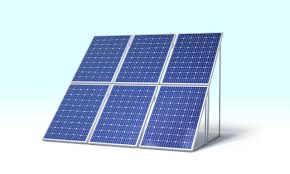
Solar panels are devices that convert sunlight into electricity using photovoltaic technology. They are a major component of renewable energy systems and are widely used in homes, businesses, industries, farms, and utility-scale power plants.
Solar panels provide clean, sustainable energy and help reduce dependence on fossil fuels.
A commonly used solar electricity generation technology is: Photovoltaic Effect
Definition of Solar Panels
Solar panels are assemblies of interconnected solar cells that capture sunlight and convert it into electrical energy. They are typically mounted on rooftops, open fields, or structures exposed to sunlight.
A standard electricity-generating unit is: Photovoltaic Solar Panel
Types of Solar Panels
1. Monocrystalline Solar Panels
Made from single-crystal silicon
High efficiency and long lifespan
Dark black appearance
2. Polycrystalline Solar Panels
Made from multiple silicon fragments
Lower cost than monocrystalline
Slightly lower efficiency
3. Thin-Film Solar Panels
Lightweight and flexible
Lower efficiency but versatile applications
4. Bifacial Solar Panels
Generate power from both front and back sides
Improved energy output
5. Flexible Solar Panels
Bendable lightweight panels
Used for portable or curved surfaces
Physical and Technical Characteristics
Solar panels typically have:
Rectangular flat design
Tempered glass protective surface
Silicon-based solar cells
Aluminum frame structure
Weather-resistant construction
Long operational lifespan (20–30 years)
Direct current (DC) electricity output
How Solar Panels Work
1. Sunlight Absorption
Solar cells absorb photons from sunlight.
2. Electron Excitation
Photons energize electrons in semiconductor material.
3. Electricity Generation
Movement of electrons creates direct current (DC) electricity.
4. Power Conversion
An inverter converts DC electricity into alternating current (AC) for use.
Main Components of a Solar Power System
Solar panels
Charge controller
Inverter
Battery storage system (optional)
Mounting structures
Electrical wiring
Main Uses of Solar Panels
1. Residential Electricity
Home lighting and appliances
Rooftop solar systems
2. Commercial and Industrial Power
Offices and factories
Warehouses and shopping centers
3. Agricultural Applications
Solar water pumps
Farm electrification systems
4. Remote and Off-Grid Power
Rural electrification
Telecommunications equipment
5. Utility-Scale Solar Farms
Large renewable energy projects
Tabulated Specification of Solar Panels
Specification
Details
Product Name
Solar Panels
Technology
Photovoltaic (PV)
Main Material
Silicon solar cells
Output Type
Direct Current (DC) electricity
Structure
Glass-covered panel with metal frame
Lifespan
20–30 years
Energy Source
Sunlight
Main Applications
Electricity generation
Advantages of Solar Panels
1. Renewable Energy Source
Uses unlimited sunlight.
2. Environmentally Friendly
Produces electricity without direct emissions.
3. Low Operating Costs
Minimal fuel and maintenance expenses.
4. Energy Independence
Reduces reliance on national power grids.
5. Long Service Life
Can operate efficiently for decades.
Economic Importance
Solar panels are important because they:
Support renewable energy development
Reduce electricity costs over time
Create jobs in manufacturing and installation
Improve energy access in remote regions
Reduce fossil fuel dependence
They are a major driver of the global clean energy transition.
Environmental Considerations
Solar energy offers environmental benefits but also involves:
Resource extraction for silicon and metals
Manufacturing energy consumption
Electronic waste at end of lifespan
Sustainability measures include:
Solar panel recycling programs
Cleaner manufacturing technologies
Improved panel efficiency
Integration with battery storage systems
Storage and Handling Guidelines
To maintain performance:
Store panels upright in dry environments
Avoid impact or glass damage
Keep surfaces clean from dust and debris
Use proper mounting systems
Prevent shading during installation
Conclusion
Solar panels are advanced energy devices that convert sunlight into electricity using the photovoltaic effect Photovoltaic Effect. They provide clean, renewable power for homes, businesses, farms, and industries.
From rooftop systems and rural electrification to large solar farms, solar panels are transforming global energy production.
In essence, solar panels are not just energy devices—they are a cornerstone of sustainable development and the global transition toward cleaner and more reliable energy systems.