Tobacco Leaves – Industrial Leaf Crop for Nicotine Products and Manufacturing
Introduction
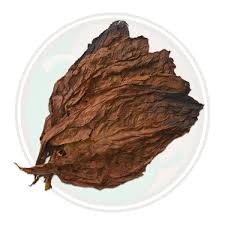
Tobacco leaves are the cured and dried leaves of the tobacco plant (Nicotiana tabacum). They are an important industrial agricultural crop used primarily in the production of cigarettes, cigars, chewing tobacco, and other nicotine-containing products.
Tobacco is one of the most widely cultivated non-food cash crops in the world, with significant economic importance in several developing and exporting countries.
After harvesting, tobacco leaves undergo curing and fermentation processes that develop their flavor, aroma, and chemical properties.
Product Overview
Tobacco leaves are grown in controlled agricultural conditions and processed through curing methods such as air curing, flue curing, sun curing, or fire curing. They are then used in:
Cigarette manufacturing
Cigar production
Pipe tobacco products
Chewing and snuff tobacco
Industrial nicotine extraction
Key Visual Overview
7
Product Features
1. High Nicotine Content
Primary source of nicotine used in tobacco products.
2. Curing-Dependent Quality
Flavor and aroma depend on curing method.
3. Strong Industrial Demand
Used in global tobacco manufacturing industries.
4. Non-Food Cash Crop
Cultivated mainly for industrial use, not consumption as food.
5. Long Processing Chain
Requires curing, fermentation, and blending.
6. Export-Oriented Commodity
Major agricultural export in several countries.
Tabulated Product Specifications
Parameter
Specification
Product Name
Tobacco Leaves
Scientific Name
Nicotiana tabacum
Product Type
Industrial Leaf Crop
Color
Green (fresh), brown/yellow (cured)
Texture
Broad, fibrous leaves
Moisture Content
Low (after curing)
Main Active Compound
Nicotine
Processing Methods
Curing, fermentation
Shelf Life
1–2 years (proper storage)
Packaging
Bales / bundles / cartons
Storage Condition
Dry, ventilated environment
Main Applications
Tobacco products, nicotine extraction
Quality Grade
Industrial / Export grade
Chemical Composition
Tobacco leaves contain several active and natural compounds:
Key Components
Nicotine (primary alkaloid)
Tar-forming compounds (during combustion)
Sugars (varies by curing type)
Organic acids
Essential oils (trace amounts)
Mineral Content
Potassium
Calcium
Magnesium
Types of Tobacco Leaves
1. Flue-Cured Tobacco
Heated air curing
Used in cigarettes
Mild and smooth flavor
2. Air-Cured Tobacco
Naturally dried in ventilated barns
Used for cigars and chewing tobacco
3. Sun-Cured Tobacco
Dried under sunlight
Strong flavor profile
4. Fire-Cured Tobacco
Smoke-cured leaves
Dark and strong aroma
Uses of Tobacco Leaves
1. Cigarette Manufacturing
Main global use for:
Filter cigarettes
Blended tobacco products
2. Cigar Production
Used in premium rolled tobacco products.
3. Chewing and Smokeless Tobacco
Used in:
Chewing tobacco
Snuff products
4. Nicotine Extraction
Used in:
Pharmaceutical research
Pesticide production (regulated use)
5. Industrial Applications
Used in specialty chemical extraction and processing.
Processing Methods
1. Cultivation
Tobacco is grown under controlled agricultural conditions.
2. Harvesting
Leaves are picked in stages based on maturity.
3. Curing
Leaves are dried using:
Air curing
Flue curing
Sun curing
Fire curing
4. Fermentation
Improves flavor and reduces harsh compounds.
5. Sorting and Grading
Leaves are classified by size, color, and quality.
6. Packaging
Compressed into bales for transport and export.
Quality Assurance
Quality control includes:
Leaf color grading
Moisture content testing
Nicotine level evaluation
Foreign matter removal
Flavor consistency checks
Mold and contamination inspection
Packaging and Storage
Packaging Options
Compressed bales
Cartons
Jute sacks
Storage Conditions
Cool, dry environment
Good ventilation
Low humidity
Protection from mold and pests
Proper storage is essential to maintain leaf quality.
Advantages of Tobacco Leaves
1. High Economic Value
Important cash crop in global trade.
2. Industrial Versatility
Used in multiple tobacco product types.
3. Strong Export Demand
Major commodity in several developing economies.
4. Long Storage Stability
Stable when properly cured and stored.
5. Value Addition Potential
Can be processed into many product categories.
Commercial Importance
Tobacco leaves are a major agricultural commodity supporting:
Global tobacco manufacturing industry
Export revenues for producing countries
Employment in farming and processing sectors
They remain a significant economic crop despite increasing health regulations.
Conclusion
Tobacco leaves are an important industrial agricultural product used primarily in cigarette, cigar, and other nicotine-based products. Through careful cultivation and curing, they develop the qualities required for global tobacco manufacturing.
With strong industrial demand and established global trade systems, tobacco leaves remain a major cash crop and continue to play a significant role in agricultural economies worldwide.