Turmeric – Golden Spice Root for Culinary Use, Food Processing, and Wellness Industries
Introduction
Turmeric is one of the world’s most valuable spice crops, recognized for its bright golden-yellow color, earthy flavor, nutritional properties, and wide applications in cooking, food processing, cosmetics, and traditional wellness practices. Scientifically known as Curcuma longa, turmeric belongs to the ginger family and is cultivated mainly for its underground rhizomes.
Turmeric has been used for centuries throughout Asia, Africa, and the Middle East as a culinary spice, natural coloring agent, and traditional herbal ingredient. Its warm, slightly bitter flavor and vibrant yellow pigment make it a key component in many cuisines and processed food products.
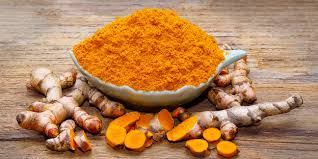
Fresh turmeric rhizomes resemble ginger in appearance but are distinguished by their deep orange-yellow interior. Turmeric may be sold fresh, dried, powdered, sliced, or processed into extracts, oils, and supplements depending on industrial and consumer demand.
One of the most important compounds in turmeric is curcumin, a natural pigment and bioactive compound responsible for the spice’s distinctive color and many of its beneficial properties. Turmeric also contains antioxidants, vitamins, minerals, and essential oils that contribute to its commercial and nutritional value.
Turmeric is widely used in households, restaurants, spice industries, food manufacturing, cosmetics, and wellness product industries. It enhances the flavor, color, and aroma of curries, rice dishes, soups, sauces, beverages, snacks, and spice blends.
The global demand for turmeric continues to rise due to increasing consumer interest in natural ingredients, plant-based wellness products, functional foods, and international cuisines. Turmeric is extensively traded worldwide in fresh, dried, powdered, and processed forms.
Modern turmeric production includes cultivation, harvesting, cleaning, boiling, drying, polishing, grinding, packaging, and export processing under strict agricultural and food safety standards. Proper processing is essential to preserve color, aroma, curcumin content, and product quality.
Turmeric also plays a major role in natural food coloring and industrial ingredient manufacturing, making it an important commodity in global agricultural and spice markets.
Today, turmeric remains a highly valued crop supporting culinary traditions, food innovation, wellness industries, and international trade.
Product Definition
Turmeric is the edible rhizome of the plant Curcuma longa, cultivated mainly for culinary, spice, coloring, food processing, and wellness applications. It is valued for its bright yellow color, earthy flavor, and curcumin-rich composition.
Turmeric may be sold fresh, dried, powdered, sliced, or processed into extracts and oils depending on market requirements.
Product Features
1. Bright Natural Color
Turmeric provides a vibrant yellow-orange pigment.
2. Distinctive Earthy Flavor
Adds warmth and depth to food preparations.
3. Rich Curcumin Content
Contains bioactive compounds and antioxidants.
4. Multiple Product Forms
Available fresh, dried, powdered, and processed.
5. Wide Industrial Applications
Used in food, beverages, cosmetics, and wellness products.
6. Strong Global Market Demand
Widely traded across international spice markets.
Tabulated Product Specifications
Parameter
Specification
Product Name
Turmeric
Scientific Name
Curcuma longa
Product Type
Spice Root / Rhizome
Color
Yellow / Orange
Texture
Firm / Fibrous
Flavor
Earthy / Warm / Slightly Bitter
Moisture Content
High in fresh form
Curcumin Content
Variable depending on variety
Fiber Content
Moderate
Protein Content
Low to Moderate
Fat Content
Low
Shelf Life
Weeks (fresh), Months (dried/powdered)
Packaging
Bags / Cartons / Bulk sacks
Packaging Sizes
Retail and Wholesale
Storage Condition
Cool, dry, and ventilated environment
Main Applications
Culinary and Industrial Processing
Quality Grade
Premium Food Grade
Origin
Farm Cultivated
Nutritional Composition
Turmeric contains valuable nutrients and bioactive compounds.
Curcumin
Primary active compound responsible for color and functional properties.
Vitamins
Vitamin C
Vitamin B6
Vitamin E
Minerals
Iron
Potassium
Magnesium
Calcium
Antioxidants
Contain beneficial plant compounds that support wellness.
Dietary Fiber
Supports digestion and balanced nutrition.
Uses of Turmeric
1. Culinary Cooking Ingredient
Turmeric is widely used in global cuisine.
Common Uses
Curries
Rice dishes
Soups
Sauces
2. Spice and Seasoning Industry
Used in spice blends and processed seasonings.
Processed Products
Turmeric powder
Curry powder
Spice mixes
Flavoring blends
3. Food Coloring Industry
Used as a natural coloring agent in food products.
4. Beverage Industry
Used in teas, herbal drinks, and wellness beverages.
5. Cosmetic and Wellness Industries
Used in skincare products and wellness-oriented formulations.
Cultivation and Processing
Turmeric production requires careful agricultural management.
Soil Preparation
Turmeric grows best in fertile and well-drained soils.
Planting
Rhizome sections are planted for crop propagation.
Crop Management
Includes irrigation, mulching, fertilization, and weed control.
Harvesting
Rhizomes are harvested after maturity.
Cleaning and Boiling
Harvested turmeric is cleaned and heat-treated.
Drying and Grinding
Products are dried and processed into powder when required.
Packaging
Proper packaging preserves color and freshness.
Quality Assurance
Strict quality control ensures premium turmeric products.
Quality assurance includes:
Quality planting material selection
Controlled cultivation practices
Hygiene inspection
Curcumin level monitoring
Moisture level testing
Color and aroma checks
Packaging inspection
Food safety compliance
These ensure safe and high-quality products.
Packaging and Storage
Proper storage is essential to maintain color and quality.
Common packaging options include:
Poly bags
Carton boxes
Vacuum-sealed pouches
Bulk export sacks
Recommended storage conditions include:
Cool and dry environment
Protection from moisture
Proper ventilation
Hygienic handling
Airtight packaging for powders
Correct storage preserves freshness and shelf stability.
Advantages of Turmeric
Natural Coloring Properties
Provides vibrant color to foods and products.
Versatile Industrial Applications
Used in food, cosmetics, and wellness industries.
Rich Bioactive Compounds
Contains curcumin and antioxidants.
Long Shelf Life in Dried Form
Suitable for export and long-term storage.
Strong Commercial Demand
Widely consumed globally in multiple forms.
Commercial Importance
Turmeric is a major commodity in global spice and food industries.
Reliable suppliers ensure:
Consistent product quality
Proper drying and processing
Competitive pricing
Efficient logistics
Export-standard packaging
Timely delivery
These factors support strong international trade and industrial demand.
Conclusion
Turmeric remains one of the world’s most important spice crops due to its vibrant color, earthy flavor, nutritional value, and industrial versatility. Its role in cooking, seasoning, food coloring, beverages, cosmetics, and wellness products makes it an essential commodity in modern global markets.
Premium-quality turmeric is carefully cultivated, harvested, processed, dried, graded, and packaged to preserve color, aroma, curcumin content, and freshness. From household kitchens and restaurants to industrial food manufacturing and wellness industries, turmeric continues to support culinary traditions, agriculture, food innovation, and international trade.
As global demand for natural ingredients, spices, and wellness-oriented products continues to grow, turmeric remains a highly valuable commodity for farmers, processors, exporters, retailers, and consumers worldwide.