Watermelons – Refreshing Hydrating Fruit for Fresh Consumption, Juice Production, and Food Markets
Introduction
Watermelons are large, juicy, and highly refreshing fruits widely consumed across tropical, subtropical, and temperate regions of the world. Scientifically known as Citrullus lanatus, watermelons are valued for their high water content, sweet flavor, vibrant red or pink flesh, and cooling properties, making them one of the most popular fruits during warm seasons.
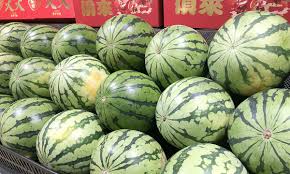
Watermelons are typically round or oval in shape with a thick green rind that may feature stripes or solid patterns. Inside, the fruit contains juicy flesh that can be red, pink, yellow, or orange depending on the variety, along with small black or white seeds. Seedless varieties have also become very popular in modern markets due to convenience and ease of consumption.
One of the most important characteristics of watermelon is its extremely high water content, making it a natural hydrating fruit. It is widely consumed fresh and is also processed into juices, smoothies, fruit salads, frozen desserts, and flavored beverages. Its refreshing taste makes it highly desirable in households, restaurants, hotels, and food processing industries.
Watermelons are also nutritionally valuable. They contain vitamins, minerals, antioxidants, and plant compounds such as lycopene, which is associated with health benefits and antioxidant properties. The fruit is low in calories, making it suitable for health-conscious consumers and dietary meal plans.
The global demand for watermelons continues to grow due to increasing preference for healthy hydration sources, natural fruits, and fresh snack alternatives. Watermelon production supports large agricultural systems, providing income for farmers, transporters, wholesalers, retailers, and exporters.
Modern watermelon farming involves careful land preparation, irrigation, pest control, fruit development monitoring, harvesting, grading, packaging, and cold-chain storage to maintain freshness and prevent spoilage. Because watermelons are highly perishable, efficient logistics and handling are essential for commercial success.
Today, watermelons remain one of the most widely consumed fruits globally, contributing significantly to nutrition, hydration, food processing, and agricultural trade.
Product Definition
Watermelons are edible fruits obtained from the plant Citrullus lanatus, cultivated primarily for fresh consumption, juice production, food processing, and commercial trade. They are water-rich fruits valued for their sweetness, refreshing properties, and nutritional benefits.
Watermelons may be supplied whole, sliced, juiced, frozen, or processed into beverages, desserts, and fruit-based products depending on market demand.
Product Features
1. High Water Content
Watermelons contain a very high percentage of water, making them extremely hydrating.
2. Naturally Sweet and Refreshing Taste
The fruit has a sweet, juicy flavor ideal for fresh consumption.
3. Low-Calorie Fruit
Watermelons are low in calories, making them suitable for healthy diets.
4. Rich Nutritional Profile
They contain vitamins, antioxidants, and beneficial plant compounds.
5. Wide Culinary Applications
Watermelons are used in juices, salads, desserts, and beverages.
6. Strong Seasonal and Global Demand
Watermelons are widely consumed worldwide, especially in hot climates.
Tabulated Product Specifications
Parameter
Specification
Product Name
Watermelons
Scientific Name
Citrullus lanatus
Product Type
Tropical / Melon Fruit
Flesh Color
Red / Pink / Yellow
Rind Color
Green / Striped Green
Texture
Juicy / Crisp
Flavor
Sweet and Refreshing
Moisture Content
90% – 95%
Carbohydrate Content
6% – 10%
Fiber Content
1% – 2%
Protein Content
Less than 2%
Fat Content
Less than 1%
Shelf Life
Short to Moderate
Packaging
Cartons / Bulk / Crates
Packaging Sizes
Whole Fruit and Retail Cuts
Storage Condition
Cool and Ventilated Environment
Main Applications
Fresh Consumption and Processing
Quality Grade
Premium Food Grade
Origin
Farm Cultivated
Nutritional Composition
Watermelons provide hydration and essential nutrients that support healthy living.
Water Content
Watermelon is composed mostly of water, supporting hydration and body cooling.
Carbohydrates
Contains natural sugars that provide mild energy.
Vitamins
Watermelons contain important vitamins such as:
Vitamin C
Vitamin A
Vitamin B6
Minerals
Key minerals found in watermelons include:
Potassium
Magnesium
Calcium
Antioxidants
Watermelons contain lycopene and other antioxidants that support cellular health.
Uses of Watermelons
1. Fresh Fruit Consumption
Watermelons are widely consumed fresh as a refreshing snack fruit.
Common Uses
Fresh slices
Fruit salads
Picnic fruit
Hydration snack
2. Beverage Industry
Watermelons are widely used in juice and drink production.
Beverage Applications
Watermelon juice
Smoothies
Detox drinks
Fruit cocktails
3. Food Processing Industry
Watermelons are processed into various commercial products.
Processed Products
Frozen watermelon cubes
Juice concentrates
Fruit purees
Flavored drinks
4. Hospitality and Catering
Watermelons are widely used in hotels, restaurants, and catering services for fruit platters and beverages.
5. Health and Nutrition Industry
Due to hydration and low-calorie content, watermelon is used in diet plans and wellness foods.
Cultivation and Processing
The quality of watermelons depends on proper farming practices and post-harvest handling.
Land Preparation
Watermelons are grown in warm climates with well-drained soils.
Planting
Seeds are planted under suitable spacing for vine growth and fruit development.
Crop Management
Proper irrigation, fertilization, pest control, and vine management improve yield.
Harvesting
Watermelons are harvested at full maturity for optimal sweetness and texture.
Sorting and Grading
Fruits are sorted based on size, shape, and quality.
Processing
Watermelons are processed into juice, frozen products, and packaged fruit items.
Packaging
Careful packaging ensures protection during transport and storage.
Quality Assurance
Premium watermelons undergo strict quality control to ensure freshness and safety.
Quality assurance measures include:
Selection of quality seeds
Proper cultivation practices
Controlled harvesting techniques
Size and quality grading
Hygiene inspection
Packaging checks
Cold-chain monitoring
Storage control
These ensure high-quality fruit for consumer markets.
Packaging and Storage
Watermelons require careful handling due to their size and perishable nature.
Common packaging options include:
Bulk crates
Carton boxes
Protective transport packaging
Recommended storage conditions include:
Cool temperature
Proper ventilation
Avoiding physical damage
Hygienic handling systems
Short-term cold storage
Proper storage helps maintain freshness and prevent spoilage.
Advantages of Watermelons
Excellent Hydration Source
Watermelons help maintain hydration and body cooling.
Naturally Sweet and Refreshing
They provide a pleasant and refreshing eating experience.
Low-Calorie Fruit
Suitable for weight-conscious diets.
Broad Market Demand
Watermelons are widely consumed globally, especially in hot seasons.
Versatile Usage
Used in juices, snacks, desserts, and beverages.
Commercial Importance
Watermelons are important agricultural commodities in fresh fruit markets and seasonal trade.
Reliable suppliers ensure:
Consistent fruit quality
Proper handling and grading
Competitive pricing
Efficient transport systems
Export-standard packaging
Timely delivery
These factors support strong market demand and profitability.
Conclusion
Watermelons remain one of the world’s most refreshing and widely consumed fruits due to their high water content, natural sweetness, nutritional benefits, and versatility. Their importance in fresh consumption, juice production, food processing, and hospitality industries makes them valuable agricultural commodities.
Premium-quality watermelons are carefully cultivated, harvested, graded, and packaged to preserve freshness, juiciness, and flavor. From fresh slices and juices to frozen products and fruit platters, watermelons continue to support hydration, nutrition, food innovation, and agricultural trade.
As global demand for healthy hydration foods and natural fruit products continues to grow, watermelons remain essential commodities for farmers, wholesalers, exporters, retailers, and consumers worldwide.