White Pepper – Refined Aromatic Spice for Culinary Applications, Food Processing, and Global Spice Trade
Introduction
White pepper is a premium spice produced from fully ripened berries of the Piper nigrum plant, processed to remove the outer skin and retain the inner seed. Known for its milder heat, smooth flavor, and refined appearance, white pepper is widely used in culinary preparations, food manufacturing, and international spice markets.
White pepper has been valued for centuries in Asian, European, and Middle Eastern cuisines where subtle seasoning and delicate flavor balance are important. Unlike black pepper, which retains the outer dried fruit layer, white pepper undergoes soaking and processing that remove the dark outer skin, resulting in a light-colored spice with a cleaner and more earthy taste.
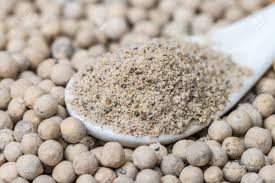
The spice is commonly available in whole and ground forms. Whole white peppercorns are cream-colored or pale beige, while ground white pepper is a fine light-colored powder widely used in soups, sauces, seafood dishes, mashed potatoes, noodles, and light-colored foods where dark pepper particles may affect appearance.
One of the major characteristics of white pepper is its balanced pungency and distinctive aroma. It contains piperine, essential oils, and beneficial plant compounds that contribute to its flavor profile and commercial value.
White pepper is widely used in households, restaurants, hotels, spice industries, processed food manufacturing, and export markets worldwide. It is especially popular in premium culinary applications and industrial food formulations that require smooth flavor and visual consistency.
The global demand for white pepper continues to grow due to increasing consumption of international cuisines, processed foods, seasoning products, and natural spices. It is traded extensively across global spice supply chains.
Modern white pepper production involves harvesting mature pepper berries, soaking, fermentation, skin removal, drying, cleaning, grading, grinding, packaging, and export processing under strict quality and food safety standards.
Today, white pepper remains one of the world’s most important refined spice products, supporting culinary excellence, food innovation, and international spice commerce.
Product Definition
White pepper is a processed spice made from the mature berries of the plant Piper nigrum, where the outer skin is removed to expose the inner seed. It is cultivated and processed mainly for culinary seasoning, food manufacturing, and industrial spice applications.
White pepper may be sold whole or ground depending on consumer and industrial requirements.
Product Features
1. Mild and Refined Flavor
White pepper offers smoother pungency compared to black pepper.
2. Light Color Appearance
Suitable for light-colored dishes and sauces.
3. Rich Piperine Content
Contains natural compounds responsible for flavor and aroma.
4. Multiple Product Forms
Available as whole peppercorns and fine powder.
5. Long Shelf Life
Properly dried and stored products maintain quality for extended periods.
6. Strong Culinary and Industrial Demand
Widely used in premium food preparation and processing industries.
Tabulated Product Specifications
Parameter
Specification
Product Name
White Pepper
Scientific Name
Piper nigrum
Product Type
Spice
Color
Cream / Off-White / Beige
Texture
Hard (whole) / Fine Powder
Flavor
Mildly Pungent / Earthy / Aromatic
Moisture Content
Low
Piperine Content
Variable depending on quality
Essential Oil Content
Present
Protein Content
Moderate
Fat Content
Low to Moderate
Shelf Life
Several Months to Years
Packaging
Pouches / Bags / Bulk sacks
Packaging Sizes
Retail and Wholesale
Storage Condition
Cool, dry, and airtight environment
Main Applications
Culinary and Food Processing
Quality Grade
Premium Food Grade
Origin
Farm Cultivated and Processed
Nutritional Composition
White pepper contains valuable natural compounds and nutrients.
Piperine
Responsible for pungency and characteristic pepper flavor.
Essential Oils
Provide aroma and flavor enhancement.
Vitamins
Vitamin K
Vitamin C
Vitamin B6
Minerals
Iron
Calcium
Magnesium
Potassium
Antioxidants
Contain beneficial plant compounds that support wellness.
Uses of White Pepper
1. Culinary Cooking Ingredient
White pepper is widely used in refined culinary preparations.
Common Uses
Cream soups
White sauces
Seafood dishes
Mashed potatoes
2. Spice and Seasoning Industry
Used in spice blends and processed seasoning products.
Processed Products
Ground white pepper
Spice mixes
Marinades
Premium seasonings
3. Food Processing Industry
Used in processed meats, snacks, and ready meals.
4. Hospitality and Catering
Popular in restaurants, hotels, and professional kitchens.
5. International Cuisine Preparation
Widely used in Asian, European, and Middle Eastern cuisines.
Cultivation and Processing
White pepper production requires specialized processing methods.
Soil Preparation
Pepper vines grow best in fertile tropical soils.
Planting
Pepper vines are propagated using stem cuttings.
Crop Management
Includes irrigation, pruning, and pest control.
Harvesting
Fully mature pepper berries are harvested.
Soaking and Fermentation
Berries are soaked to loosen the outer skin.
Skin Removal and Drying
Outer layer is removed and seeds are dried.
Cleaning and Packaging
Products are graded, cleaned, and packaged.
Quality Assurance
Strict quality control ensures premium white pepper products.
Quality assurance includes:
Quality planting material selection
Controlled cultivation practices
Hygiene inspection
Moisture level monitoring
Aroma and pungency checks
Color and cleanliness evaluation
Packaging inspection
Food safety compliance
These ensure safe and high-quality spice products.
Packaging and Storage
Proper storage is essential to preserve aroma and quality.
Common packaging options include:
Vacuum-sealed pouches
Poly bags
Bulk export sacks
Retail spice containers
Recommended storage conditions include:
Cool and dry environment
Airtight packaging
Protection from moisture
Hygienic handling
Avoid exposure to direct sunlight
Correct storage maintains freshness and shelf stability.
Advantages of White Pepper
Refined Culinary Appearance
Ideal for light-colored dishes and sauces.
Smooth Flavor Profile
Provides balanced heat without overpowering flavor.
Versatile Applications
Used in culinary and industrial food products.
Long Shelf Stability
Suitable for long-term storage and export.
Strong Commercial Demand
Widely traded in global spice markets.
Commercial Importance
White pepper is an important commodity in international spice and food industries.
Reliable suppliers ensure:
Consistent product quality
Proper processing techniques
Competitive pricing
Efficient logistics
Export-standard packaging
Timely delivery
These factors support strong international demand and trade growth.
Conclusion
White pepper remains one of the world’s most refined and commercially valuable spices due to its smooth flavor, mild pungency, elegant appearance, and industrial versatility. Its role in soups, sauces, processed foods, premium culinary preparations, and international cuisines makes it an essential commodity in modern global food systems.
Premium-quality white pepper is carefully cultivated, harvested, processed, dried, graded, and packaged to preserve aroma, flavor, cleanliness, and freshness. From household kitchens and restaurants to industrial food manufacturing and international spice trade, white pepper continues to support culinary excellence, agriculture, food innovation, and global commerce.
As global demand for premium spices, natural seasonings, and processed food ingredients continues to increase, white pepper remains a highly valuable commodity for farmers, processors, exporters, retailers, and consumers worldwide.