Fruit Puree – High-Quality Processed Fruit Ingredient for Food, Beverage, and Industrial Applications
Introduction
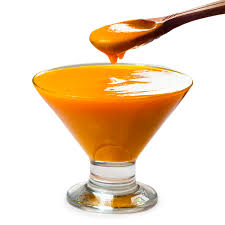
Fruit puree is a smooth, thick, and semi-liquid food product obtained by crushing or blending fresh fruits into a uniform consistency, with or without the removal of seeds, skins, and fibrous materials. It is widely used in food manufacturing, beverage production, bakery applications, and baby food industries due to its natural flavor, nutritional value, and ease of use.
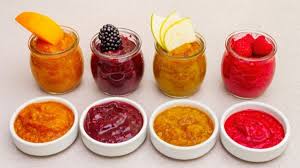
Fruit puree is produced from a wide variety of fruits such as mangoes, bananas, apples, papayas, guavas, pineapples, strawberries, and peaches. Each type of puree retains the natural taste, color, aroma, and nutrients of the original fruit while offering improved shelf stability and processing convenience.
One of the key advantages of fruit puree is its versatility. It serves as a foundational ingredient in juices, smoothies, yogurts, ice creams, desserts, sauces, jams, confectioneries, and nutritional products. Its smooth texture makes it ideal for both direct consumption and large-scale industrial food production.
Fruit puree is highly valued in modern food systems because it preserves much of the nutritional profile of fresh fruit, including vitamins, minerals, fiber, and antioxidants. It also provides natural sweetness, reducing the need for artificial flavors or added sugars in many food products.
The global demand for fruit puree continues to grow due to rising consumer preference for natural ingredients, convenience foods, plant-based diets, and clean-label products. Food and beverage companies rely heavily on fruit puree as a consistent, high-quality raw material.
Modern production of fruit puree involves careful selection of ripe fruits, washing, peeling, deseeding, pulping, pasteurization, homogenization, and aseptic packaging. These processes ensure product safety, long shelf life, and preservation of flavor and nutrients.
Fruit puree production also plays an important role in reducing post-harvest losses by converting perishable fruits into stable, value-added products. This supports farmers, processors, exporters, and food industries by improving profitability and market reach.
Today, fruit puree remains a key ingredient in global food processing, supporting innovation, nutrition, and convenience across multiple industries.
Product Definition
Fruit puree is a processed fruit product obtained by mechanically crushing or blending fresh fruits into a smooth, semi-liquid form, with or without filtration. It is used as a base ingredient in food manufacturing, beverages, and nutritional products.
Fruit puree may be single-fruit (e.g., mango puree) or mixed fruit blends depending on industrial requirements.
Product Features
1. Smooth and Uniform Texture
Fruit puree has a consistent, lump-free texture suitable for industrial use.
2. Natural Fruit Flavor
It retains the authentic taste and aroma of fresh fruits.
3. Nutrient-Rich Composition
Fruit puree preserves vitamins, minerals, fiber, and antioxidants.
4. Versatile Ingredient
It is used in beverages, desserts, bakery, and baby food production.
5. Long Shelf Stability
With proper processing, puree has extended storage life compared to fresh fruit.
6. Industrial Convenience
Ready-to-use form saves time in food manufacturing processes.
Tabulated Product Specifications
Parameter
Specification
Product Name
Fruit Puree
Product Type
Processed Fruit Product
Texture
Smooth / Semi-liquid
Moisture Content
70% – 90%
Fiber Content
1% – 5%
Sugar Content
Natural fruit sugars
pH Level
3.0 – 4.5 (varies by fruit)
Shelf Life
Several months (processed/aseptic)
Packaging
Aseptic bags / Drums / Tetra packs
Packaging Sizes
Bulk and Retail Packaging
Storage Condition
Cool, Dry, or Refrigerated Environment
Main Applications
Food and Beverage Industry
Quality Grade
Premium Food Grade
Processing Method
Pulping / Pasteurization / Homogenization
Origin
Fresh Fruit Processing
Nutritional Composition
Fruit puree retains most nutrients from fresh fruits, depending on processing methods.
Natural Carbohydrates
Provide energy and natural sweetness.
Dietary Fiber
Supports digestion and gut health (varies depending on filtration).
Vitamins
Common vitamins include:
Vitamin C
Vitamin A
Vitamin B Complex
Folate
Minerals
Important minerals include:
Potassium
Magnesium
Calcium
Iron
Antioxidants
Help support immunity and protect cells from oxidative stress.
Uses of Fruit Puree
1. Beverage Industry
Fruit puree is widely used in drink manufacturing.
Applications
Smoothies
Nectar drinks
Fruit juices
Energy beverages
2. Dairy Industry
Used in flavored dairy products.
Applications
Yogurt
Ice cream
Milk-based drinks
3. Bakery and Confectionery Industry
Adds natural flavor and moisture to baked goods.
Applications
Cakes
Pastries
Fillings
Desserts
4. Baby Food Industry
Fruit puree is a key ingredient in infant nutrition products due to its soft texture and digestibility.
5. Food Manufacturing Industry
Used as a base ingredient for jams, sauces, and processed foods.
Processing and Production
Fruit puree production requires hygienic and controlled processing methods.
Fruit Selection
Only ripe, high-quality fruits are selected.
Washing and Cleaning
Fruits are thoroughly cleaned to remove contaminants.
Peeling and Pulping
Skin, seeds, and unwanted parts are removed.
Blending and Homogenization
Fruits are blended into a smooth consistency.
Pasteurization
Heat treatment ensures microbial safety and shelf stability.
Packaging
Aseptic packaging preserves freshness and quality.
Quality Assurance
Strict quality control ensures safe and consistent fruit puree.
Quality assurance includes:
Raw material selection
Hygienic processing conditions
Controlled temperature treatment
pH and moisture testing
Packaging inspection
Storage monitoring
Food safety compliance
These measures ensure high-quality and safe products for consumers.
Packaging and Storage
Proper packaging is essential to maintain freshness and prevent contamination.
Common packaging options include:
Aseptic bags in drums
Tetra packs
Bottles and pouches
Bulk containers
Recommended storage conditions include:
Cool or refrigerated environment
Protection from sunlight
Airtight sealing
Hygienic handling
Controlled humidity
Proper storage ensures long shelf life and quality retention.
Advantages of Fruit Puree
Ready-to-Use Ingredient
Saves preparation time in food manufacturing.
Consistent Quality
Ensures uniform taste and texture in production.
Nutrient Retention
Preserves vitamins, minerals, and natural fruit compounds.
Reduces Food Waste
Helps process surplus or seasonal fruits.
High Industrial Demand
Widely used across global food and beverage industries.
Commercial Importance
Fruit puree is a major commodity in global food processing supply chains.
Reliable suppliers ensure:
Consistent fruit sourcing
Hygienic processing standards
Competitive pricing
Efficient logistics
Export-quality packaging
Timely delivery
These factors support strong demand in both domestic and international markets.
Conclusion
Fruit puree is a highly valuable processed fruit product that supports modern food manufacturing, beverage production, and nutritional industries. Its smooth texture, natural flavor, long shelf life, and nutritional benefits make it an essential ingredient in global food systems.
Premium-quality fruit puree is carefully produced through hygienic processing, controlled pasteurization, and safe packaging to preserve taste, aroma, and nutrients. From juices and yogurts to bakery products and baby foods, fruit puree continues to drive innovation, convenience, and value addition in the food industry.
As global demand for natural, healthy, and convenient food ingredients continues to grow, fruit puree remains a key commodity for farmers, processors, manufacturers, exporters, retailers, and consumers worldwide.