Fruit Concentrates – High-Value Processed Fruit Ingredient for Beverages, Food Manufacturing, and Industrial Applications
Introduction
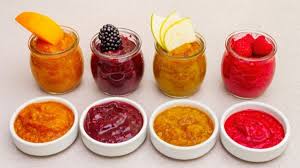
Fruit concentrates are processed fruit products obtained by removing a significant portion of water from fruit juice or pulp, resulting in a thick, flavorful, and nutrient-rich liquid or semi-solid form. This concentration process intensifies the natural taste, aroma, color, and nutritional content of fruits while significantly extending shelf life and improving transport efficiency.
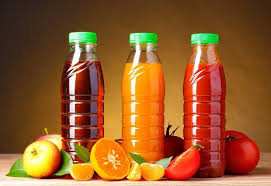
Fruit concentrates are widely used in the food and beverage industry as a base ingredient for juices, soft drinks, flavored beverages, jams, jellies, dairy products, confectionery items, and bakery goods. They are produced from a wide variety of fruits including oranges, mangoes, pineapples, apples, grapes, lemons, passion fruit, and berries.
One of the most important characteristics of fruit concentrates is their high fruit solids content, which allows manufacturers to easily reconstitute them into juices or incorporate them into food formulations. This makes them a cost-effective and practical solution for large-scale food production.
Fruit concentrates retain much of the natural flavor profile and nutritional value of fresh fruit, including vitamins, minerals, antioxidants, and natural sugars. However, because of water reduction, they offer higher intensity per unit volume compared to fresh juice or puree.
The global demand for fruit concentrates continues to grow due to increasing consumption of packaged beverages, processed foods, and convenience products. Food and beverage manufacturers rely on concentrates to ensure consistency, long shelf life, and ease of transport across international markets.
Modern production of fruit concentrates involves fruit selection, washing, extraction, filtration, evaporation (water removal), pasteurization, and aseptic packaging. These processes ensure safety, stability, and high-quality output suitable for global distribution.
Fruit concentrates also play a major role in reducing transportation costs and storage requirements, making them highly valuable in international trade and large-scale food manufacturing systems.
Today, fruit concentrates are essential ingredients in the global food industry, supporting innovation, efficiency, and sustainability in beverage and processed food production.
Product Definition
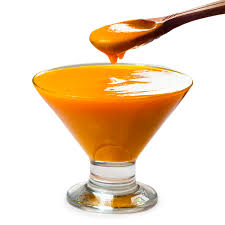
Fruit concentrates are highly processed fruit products obtained by extracting juice or pulp from fresh fruits and removing a large percentage of water content through evaporation or filtration. The result is a dense, flavorful, and nutrient-rich product used as a base ingredient in food and beverage manufacturing.
Fruit concentrates may be single-fruit concentrates or blended formulations depending on industrial requirements.
Product Features
1. Highly Concentrated Flavor
Fruit concentrates provide intense natural taste and aroma in small quantities.
2. Long Shelf Life
Reduced water content extends storage stability significantly.
3. High Nutrient Density
They retain vitamins, minerals, and natural fruit compounds.
4. Industrial Efficiency
Easy to transport, store, and reconstitute for production use.
5. Versatile Application
Used in beverages, dairy, bakery, and confectionery industries.
6. Global Trade Importance
Widely used in international food manufacturing supply chains.
Tabulated Product Specifications
Parameter
Specification
Product Name
Fruit Concentrates
Product Type
Processed Fruit Ingredient
Form
Thick Liquid / Semi-solid
Soluble Solids (Brix)
40° – 70° (varies by fruit)
Moisture Content
30% – 60%
Sugar Content
High natural fruit sugars
pH Level
3.0 – 4.5
Shelf Life
6 – 24 months (aseptic packaging)
Packaging
Aseptic drums / Bag-in-box / Bulk containers
Packaging Sizes
Industrial and Export Sizes
Storage Condition
Cool, dry, or refrigerated environment
Main Applications
Food and Beverage Industry
Quality Grade
Premium Food Grade
Processing Method
Extraction / Evaporation / Pasteurization
Origin
Fresh Fruit Processing
Nutritional Composition
Fruit concentrates retain concentrated nutrients from fresh fruits.
Natural Sugars
Provide energy and sweetness.
Vitamins
Depending on fruit type, may include:
Vitamin C
Vitamin A
Vitamin B Complex
Folate
Minerals
Common minerals include:
Potassium
Magnesium
Calcium
Iron
Antioxidants
Help support immunity and protect against oxidative stress.
Uses of Fruit Concentrates
1. Beverage Industry
Fruit concentrates are widely used in drink manufacturing.
Applications
Fruit juices
Carbonated drinks
Energy drinks
Flavored water
2. Dairy Industry
Used to flavor dairy-based products.
Applications
Yogurts
Ice creams
Milk beverages
3. Bakery and Confectionery Industry
Used to enhance flavor and sweetness.
Applications
Cakes
Pastries
Candies
Fillings
4. Jam and Jelly Production
Serves as a base ingredient for fruit spreads.
5. Industrial Food Manufacturing
Used in sauces, syrups, and ready-to-eat products.
Processing and Production
Fruit concentrates are produced through controlled industrial processes.
Fruit Selection
High-quality ripe fruits are selected.
Extraction
Juice or pulp is extracted from fresh fruits.
Filtration
Seeds, pulp solids, and impurities are removed if required.
Concentration
Water is removed using evaporation or vacuum processing.
Pasteurization
Heat treatment ensures microbial safety.
Packaging
Aseptic packaging preserves quality and extends shelf life.
Quality Assurance
Strict quality control ensures product safety and consistency.
Quality assurance includes:
Selection of premium raw fruits
Hygienic processing conditions
Controlled evaporation levels
Brix and pH testing
Microbial safety checks
Packaging integrity inspection
Storage monitoring
Export compliance standards
These ensure high-quality industrial-grade products.
Packaging and Storage
Proper packaging is essential to preserve flavor and prevent spoilage.
Common packaging options include:
Aseptic drums
Bag-in-box systems
Metal or plastic bulk containers
Industrial pouches
Recommended storage conditions include:
Cool and dry environment
Protection from sunlight
Airtight sealing
Hygienic handling
Controlled temperature storage
Proper storage ensures long shelf life and quality retention.
Advantages of Fruit Concentrates
High Flavor Intensity
Small quantities provide strong fruit flavor.
Efficient Transportation
Reduces volume and shipping costs.
Long Shelf Life
Stable for extended periods when properly stored.
Industrial Versatility
Used in multiple food and beverage sectors.
Reduced Waste
Allows utilization of surplus seasonal fruits.
Commercial Importance
Fruit concentrates are major commodities in global food processing and beverage industries.
Reliable suppliers ensure:
Consistent raw material sourcing
Hygienic processing standards
Accurate concentration levels
Competitive pricing
Efficient logistics
Export-quality packaging
Timely delivery
These factors make fruit concentrates highly valuable in international trade.
Conclusion
Fruit concentrates are essential processed fruit products that play a major role in modern food and beverage manufacturing. Their high flavor intensity, long shelf life, nutritional retention, and industrial versatility make them indispensable ingredients in global supply chains.
Premium-quality fruit concentrates are carefully produced through controlled extraction, evaporation, pasteurization, and aseptic packaging to preserve taste, aroma, and nutritional value. From juices and soft drinks to dairy products and confectionery, fruit concentrates continue to support innovation, efficiency, and scalability in the food industry.
As global demand for convenient, consistent, and natural fruit-based ingredients continues to rise, fruit concentrates remain key commodities for farmers, processors, manufacturers, exporters, retailers, and consumers worldwide.