Tomatoes – Versatile Fresh Produce for Culinary Use, Processing, and Global Food Supply Chains
Introduction
Tomatoes are one of the most widely cultivated and consumed agricultural products in the world. Botanically classified as Solanum lycopersicum, tomatoes are technically fruits but are commonly used as vegetables in cooking due to their savory flavor profile. They are essential ingredients in households, restaurants, and food industries across all continents.
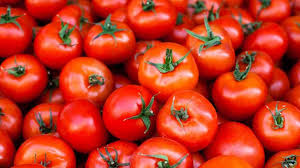
Tomatoes are known for their bright red color (though varieties may also be yellow, green, orange, or purple), juicy flesh, and balanced sweet–acidic taste. They are consumed fresh or processed into a wide range of products including sauces, pastes, purees, juices, ketchup, soups, and canned foods.
One of the most important qualities of tomatoes is their nutritional richness combined with culinary versatility. They are a major source of vitamin C, vitamin A (as beta-carotene), potassium, and antioxidants such as lycopene, which is widely studied for its health benefits.
Tomatoes play a central role in global diets and food industries. They are used daily in salads, soups, stews, sauces, sandwiches, and fast foods. Industrially, they are a key raw material for processed food manufacturing, especially in ketchup and tomato paste production.
The global demand for tomatoes continues to grow due to increasing consumption of processed foods, ready-to-eat meals, and healthy fresh produce. Tomatoes are also a major cash crop in many agricultural economies, supporting farmers, processors, distributors, and exporters.
Modern tomato production involves improved seed selection, greenhouse cultivation, irrigation systems, pest management, harvesting, sorting, packaging, and cold-chain logistics. These processes help maintain quality, reduce spoilage, and ensure consistent supply.
Tomatoes are highly perishable, which makes proper handling and storage essential. However, their ability to be processed into stable products such as paste and sauces makes them one of the most valuable horticultural commodities in global trade.
Today, tomatoes remain indispensable in both fresh and processed food systems, contributing significantly to nutrition, culinary diversity, and agricultural economies worldwide.
Product Definition
Tomatoes are edible fruits of the plant Solanum lycopersicum, cultivated for fresh consumption and industrial processing. They are valued for their juicy texture, balanced flavor, and wide culinary applications.
Tomatoes may be sold fresh, dried, canned, juiced, or processed into sauces, pastes, and purees depending on market demand.
Product Features
1. Juicy and Flavorful Fruit
Tomatoes offer a balanced sweet and acidic taste suitable for many dishes.
2. High Nutritional Value
They contain vitamins, minerals, fiber, and antioxidants.
3. Culinary Versatility
Used in raw, cooked, and processed food forms.
4. Industrial Processing Importance
Key raw material for sauces, ketchup, and paste production.
5. Rich in Lycopene
Contains powerful antioxidant compounds beneficial for health.
6. High Market Demand
Tomatoes are among the most consumed vegetables globally.
Tabulated Product Specifications
Parameter
Specification
Product Name
Tomatoes
Scientific Name
Solanum lycopersicum
Product Type
Fresh Vegetable / Fruit
Flesh Color
Red / Yellow / Orange
Skin Color
Red / Green / Mixed
Texture
Juicy / Soft
Flavor
Sweet–Tangy
Moisture Content
90% – 95%
Carbohydrate Content
3% – 5%
Fiber Content
1% – 2%
Protein Content
Less than 2%
Fat Content
Less than 1%
Shelf Life
Short (fresh), long (processed)
Packaging
Crates / Cartons / Bulk Packaging
Packaging Sizes
Retail and Industrial Sizes
Storage Condition
Cool and Ventilated Environment
Main Applications
Fresh Use and Food Processing
Quality Grade
Premium Food Grade
Origin
Farm Cultivated
Nutritional Composition
Tomatoes are nutrient-rich and beneficial for daily consumption.
Vitamins
Vitamin C
Vitamin A (beta-carotene)
Vitamin K
Folate
Minerals
Potassium
Magnesium
Manganese
Phosphorus
Antioxidants
Lycopene (strong antioxidant)
Beta-carotene
Dietary Fiber
Supports digestion and gut health.
Uses of Tomatoes
1. Fresh Consumption
Tomatoes are widely eaten raw in everyday meals.
Common Uses
Salads
Sandwiches
Sliced garnish
Fresh snacks
2. Cooking Ingredient
Used in a wide range of cooked dishes.
Applications
Soups
Stews
Curries
Sauces
3. Food Processing Industry
Tomatoes are heavily processed into industrial products.
Processed Products
Tomato paste
Ketchup
Tomato puree
Canned tomatoes
4. Beverage Industry
Used in vegetable juices and health drinks.
5. Hospitality and Catering
Widely used in restaurants, hotels, and fast-food chains.
Cultivation and Processing
Tomato production requires careful agricultural and post-harvest practices.
Seed Selection
High-yield and disease-resistant varieties are selected.
Planting
Grown in open fields or controlled greenhouse systems.
Crop Management
Includes irrigation, fertilization, pruning, and pest control.
Harvesting
Harvested at correct ripeness to ensure quality.
Sorting and Grading
Tomatoes are sorted based on size, color, and firmness.
Processing
Converted into paste, puree, juice, and canned products.
Packaging
Packaged carefully to reduce bruising and spoilage.
Quality Assurance
Strict quality control ensures safe and consistent tomato products.
Quality assurance includes:
Selection of quality seeds and fruits
Hygienic harvesting practices
Ripeness and firmness checks
Sorting and grading standards
Packaging integrity inspection
Storage temperature control
Food safety compliance
These ensure high-quality fresh and processed products.
Packaging and Storage
Proper packaging is essential due to high perishability.
Common packaging options include:
Plastic crates
Carton boxes
Ventilated containers
Canned packaging (processed)
Recommended storage conditions include:
Cool and dry environment
Avoid direct sunlight
Proper ventilation
Cold storage for fresh tomatoes
Hygienic handling
Proper storage extends shelf life and reduces spoilage.
Advantages of Tomatoes
High Nutritional Value
Rich in vitamins, minerals, and antioxidants.
Versatile Usage
Used in fresh, cooked, and processed forms.
Strong Industrial Demand
Essential for ketchup, paste, and sauce industries.
Widely Available Crop
Grown globally in diverse climates.
Economic Importance
Provides income for farmers and agro-industries.
Commercial Importance
Tomatoes are one of the most important horticultural commodities globally.
Reliable suppliers ensure:
Consistent quality supply
Proper grading and sorting
Competitive pricing
Efficient logistics
Export-standard packaging
Timely delivery
These factors make tomatoes a major global agricultural product.
Conclusion
Tomatoes remain one of the world’s most important and widely consumed food crops due to their nutritional value, culinary versatility, and industrial importance. They are essential ingredients in fresh cooking, processed foods, and global food manufacturing systems.
Premium-quality tomatoes are carefully cultivated, harvested, sorted, and packaged to maintain freshness, flavor, and nutritional content. From fresh salads and sauces to ketchup and canned products, tomatoes continue to support nutrition, food innovation, agriculture, and international trade.
As global demand for fresh produce and processed food products continues to grow, tomatoes remain a vital commodity for farmers, processors, manufacturers, exporters, retailers, and consumers worldwide.