Onions – Essential Culinary Vegetable for Cooking, Processing, and Global Food Supply
Introduction
Onions are one of the most widely cultivated and consumed vegetables in the world, belonging to the species Allium cepa. They are a fundamental ingredient in global cuisine, valued for their strong aroma, pungent flavor, and ability to enhance the taste of a wide variety of dishes.
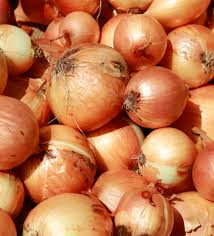
Onions are characterized by their layered bulb structure, papery outer skin, and colors that range from white, yellow, and red to purple varieties. When raw, onions have a sharp and sometimes spicy flavor, which becomes sweet and mellow when cooked. This transformation makes them highly versatile in culinary applications.
Onions are used daily in households, restaurants, and food industries as a base ingredient for soups, stews, sauces, curries, stir-fries, and salads. They are also widely processed into dehydrated flakes, onion powder, frozen products, pickles, and ready-to-use food preparations.
One of the most important features of onions is their nutritional and medicinal value. They contain vitamins, minerals, antioxidants, and sulfur compounds that contribute to health benefits such as immune support and anti-inflammatory properties.
The global demand for onions remains consistently high due to their essential role in cooking and food processing. They are considered a staple vegetable in many countries and are traded extensively in fresh and processed forms.
Modern onion production includes seed selection, soil preparation, irrigation, pest control, harvesting, curing, sorting, packaging, and cold storage. Proper curing is especially important to extend shelf life and maintain bulb quality.
Onions are also highly valuable in agro-processing industries, where they are converted into shelf-stable products for international markets. This reduces post-harvest losses and supports global food supply chains.
Today, onions remain one of the most important agricultural commodities worldwide, supporting nutrition, culinary diversity, and economic activity across farming and food industries.
Product Definition
Onions are edible bulb vegetables produced by the plant Allium cepa, cultivated for culinary use and food processing. They are valued for their pungent flavor, aroma, and versatility in both raw and cooked applications.
Onions may be sold fresh, dried, frozen, or processed into powder, flakes, or paste depending on market demand.
Product Features
1. Strong Flavor Enhancer
Onions add depth, aroma, and taste to a wide variety of dishes.
2. Nutrient-Rich Vegetable
They contain vitamins, minerals, fiber, and antioxidants.
3. Culinary Versatility
Used in raw, cooked, fried, and processed food forms.
4. Long Shelf Potential
When properly cured, onions have extended storage life.
5. Industrial Processing Value
Used in dehydrated foods, seasoning powders, and packaged meals.
6. Global Demand Stability
Onions are a staple ingredient in nearly all world cuisines.
Tabulated Product Specifications
Parameter
Specification
Product Name
Onions
Scientific Name
Allium cepa
Product Type
Bulb Vegetable
Color
White / Yellow / Red / Purple
Texture
Firm / Layered Bulb
Flavor
Pungent / Sweet (when cooked)
Moisture Content
85% – 92%
Carbohydrate Content
8% – 12%
Fiber Content
1% – 3%
Protein Content
1% – 2%
Fat Content
Less than 1%
Shelf Life
Weeks to Months (depending on storage)
Packaging
Mesh bags / Cartons / Bulk sacks
Packaging Sizes
Retail and Wholesale
Storage Condition
Cool, dry, and ventilated environment
Main Applications
Cooking and Food Processing
Quality Grade
Premium Food Grade
Origin
Farm Cultivated
Nutritional Composition
Onions provide essential nutrients and bioactive compounds beneficial to health.
Carbohydrates
Provide natural energy and mild sweetness when cooked.
Vitamins
Vitamin C
Vitamin B6
Folate
Minerals
Potassium
Calcium
Magnesium
Phosphorus
Antioxidants
Contain quercetin and sulfur compounds with antioxidant properties.
Dietary Fiber
Supports digestion and gut health.
Uses of Onions
1. Culinary Cooking Ingredient
Onions are used as a base ingredient in almost all savory dishes.
Common Uses
Soups
Stews
Curries
Sauces
2. Raw Consumption
Used in salads, sandwiches, and garnishes.
3. Food Processing Industry
Widely processed into value-added products.
Processed Products
Onion powder
Dehydrated flakes
Frozen onions
Onion paste
4. Hospitality and Catering
Essential ingredient in restaurants, hotels, and fast-food chains.
5. Industrial Food Manufacturing
Used in seasoning blends, instant meals, and packaged foods.
Cultivation and Processing
Onion production requires careful agricultural and post-harvest management.
Seed Selection
High-yield and disease-resistant varieties are selected.
Planting
Grown in well-prepared, fertile soils.
Crop Management
Includes irrigation, fertilization, and pest control.
Harvesting
Bulbs are harvested at maturity.
Curing
Onions are dried to reduce moisture and extend shelf life.
Sorting and Grading
Sorted based on size, color, and quality.
Packaging
Packaged in ventilated containers to prevent spoilage.
Quality Assurance
Strict quality control ensures safe and durable onion products.
Quality assurance includes:
Selection of quality seeds
Proper field management
Controlled harvesting
Effective curing process
Sorting and grading standards
Packaging inspection
Storage monitoring
Food safety compliance
These ensure high-quality fresh and processed onions.
Packaging and Storage
Proper handling is essential for shelf stability.
Common packaging options include:
Mesh bags
Jute sacks
Carton boxes
Bulk storage containers
Recommended storage conditions include:
Cool and dry environment
Good ventilation
Low humidity
Protection from direct sunlight
Avoid moisture buildup
Proper storage significantly extends shelf life.
Advantages of Onions
Essential Cooking Ingredient
Used in nearly all global cuisines.
Long Storage Life
Properly cured onions last for extended periods.
Nutritional Benefits
Contain antioxidants and essential nutrients.
Industrial Importance
Used in seasoning and processed food industries.
High Global Demand
One of the most traded vegetables worldwide.
Commercial Importance
Onions are a major global agricultural commodity with stable demand.
Reliable suppliers ensure:
Consistent quality supply
Proper curing and grading
Competitive pricing
Efficient logistics
Export-standard packaging
Timely delivery
These factors make onions a critical food security crop.
Conclusion
Onions remain one of the most essential vegetables in global food systems due to their strong flavor, nutritional benefits, versatility, and industrial importance. They are a core ingredient in everyday cooking and a key raw material in food processing industries worldwide.
Premium-quality onions are carefully cultivated, harvested, cured, sorted, and packaged to maintain freshness, durability, and flavor. From household cooking to large-scale food manufacturing, onions continue to support nutrition, culinary diversity, agriculture, and global trade.
As demand for fresh produce and processed food ingredients continues to grow, onions remain a vital commodity for farmers, processors, exporters, retailers, and consumers across the world.