Bell Peppers – Colorful Nutrient-Rich Vegetable for Culinary Use, Food Processing, and Global Fresh Produce Markets
Introduction
Bell peppers are widely cultivated vegetables known for their vibrant colors, crunchy texture, mild sweetness, and exceptional nutritional value. Scientifically classified as Capsicum annuum, bell peppers belong to the nightshade family, which also includes tomatoes, potatoes, and eggplants.
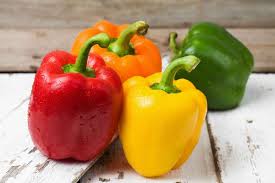
Bell peppers are unique among pepper varieties because they are generally non-pungent and do not contain the intense heat associated with chili peppers. They are available in several colors, including green, red, yellow, orange, and purple, each offering slightly different flavors and nutritional profiles.
These vegetables are highly valued in global cuisine due to their versatility and attractive appearance. Bell peppers can be consumed raw, cooked, roasted, grilled, stuffed, sautéed, or processed into sauces and seasonings. Their crisp texture and sweet flavor make them popular in salads, stir-fries, pizzas, sandwiches, soups, and gourmet dishes.
One of the most important qualities of bell peppers is their high vitamin and antioxidant content. They are especially rich in vitamin C, vitamin A, and beneficial plant compounds that support immune health, vision, and overall wellness. Red bell peppers are particularly known for their elevated antioxidant levels due to advanced ripening.
The global demand for bell peppers continues to rise as consumers increasingly seek healthy, colorful, and nutrient-rich vegetables. Bell peppers are widely distributed through supermarkets, restaurants, hotels, catering services, and food processing industries.
Modern bell pepper production involves greenhouse cultivation, hydroponic systems, irrigation management, pest control, harvesting, grading, packaging, and cold-chain logistics. These advanced practices ensure year-round production, high quality, and reduced post-harvest losses.
Bell peppers also play a major role in food processing industries where they are used in frozen vegetable mixes, sauces, canned products, dehydrated flakes, and ready-to-eat meals. Their bright colors and flavor-enhancing properties make them highly valuable in culinary presentation and industrial food applications.
Today, bell peppers remain essential vegetables in global food systems, supporting healthy diets, culinary creativity, and agricultural trade worldwide.
Product Definition
Bell peppers are edible fruits of the plant Capsicum annuum, cultivated mainly for fresh consumption, cooking, and food processing. They are valued for their sweet flavor, crunchy texture, vibrant colors, and nutritional richness.
Bell peppers may be sold fresh, frozen, roasted, dried, or processed depending on consumer and industrial demand.
Product Features
1. Vibrant Natural Colors
Bell peppers are available in green, red, yellow, orange, and purple varieties.
2. Sweet and Mild Flavor
Unlike hot peppers, bell peppers are generally non-spicy.
3. Crunchy Texture
Fresh bell peppers provide a crisp and juicy eating experience.
4. High Nutritional Value
Rich in vitamins, antioxidants, minerals, and dietary fiber.
5. Culinary Versatility
Used in salads, cooked dishes, sauces, and processed foods.
6. Strong Market Demand
Widely consumed in households and food service industries worldwide.
Tabulated Product Specifications
Parameter
Specification
Product Name
Bell Peppers
Scientific Name
Capsicum annuum
Product Type
Fresh Vegetable
Color
Green / Red / Yellow / Orange / Purple
Texture
Crisp / Juicy
Flavor
Mildly Sweet
Moisture Content
90% – 94%
Carbohydrate Content
4% – 7%
Fiber Content
1% – 3%
Protein Content
1% – 2%
Fat Content
Less than 1%
Shelf Life
Several Days to Weeks
Packaging
Crates / Cartons / Plastic containers
Packaging Sizes
Retail and Wholesale
Storage Condition
Cool and Refrigerated Environment
Main Applications
Fresh Consumption and Cooking
Quality Grade
Premium Food Grade
Origin
Farm Cultivated
Nutritional Composition
Bell peppers are highly nutritious vegetables with strong antioxidant properties.
Vitamins
Vitamin C
Vitamin A
Vitamin B6
Vitamin E
Folate
Minerals
Potassium
Magnesium
Calcium
Iron
Antioxidants
Contain carotenoids and flavonoids that support overall wellness.
Dietary Fiber
Supports digestive health and balanced nutrition.
Uses of Bell Peppers
1. Fresh Consumption
Bell peppers are widely consumed raw because of their sweet flavor and crunchiness.
Common Uses
Salads
Sandwiches
Vegetable platters
Fresh snacks
2. Cooking Ingredient
Used in a wide range of global cuisines.
Applications
Stir-fries
Soups
Pasta dishes
Rice dishes
3. Stuffed and Roasted Dishes
Bell peppers are commonly stuffed with meat, rice, or vegetables.
4. Food Processing Industry
Used in frozen foods, sauces, and canned products.
Processed Products
Roasted peppers
Frozen vegetable mixes
Pepper sauces
Dried pepper flakes
5. Hospitality and Catering
Widely used in restaurants, hotels, and catering operations.
Cultivation and Processing
Bell pepper production requires controlled farming practices for high quality.
Soil Preparation
Bell peppers grow best in fertile, well-drained soils.
Seed Planting
High-quality seeds or seedlings are planted for uniform growth.
Crop Management
Includes irrigation, fertilization, pruning, and pest control.
Harvesting
Harvested at the appropriate maturity stage based on color and size.
Cleaning and Washing
Products are cleaned to remove dirt and contaminants.
Sorting and Grading
Bell peppers are graded according to size, color, and appearance.
Packaging
Proper packaging prevents bruising and preserves freshness.
Quality Assurance
Strict quality control ensures premium bell pepper products.
Quality assurance includes:
Quality seed selection
Controlled greenhouse or field production
Hygiene inspection
Freshness monitoring
Sorting and grading standards
Packaging quality checks
Cold-chain storage management
Food safety compliance
These measures ensure safe and high-quality products.
Packaging and Storage
Proper storage is essential to maintain freshness and firmness.
Common packaging options include:
Plastic crates
Carton boxes
Clamshell retail packs
Bulk packaging containers
Recommended storage conditions include:
Refrigerated storage
Controlled humidity
Protection from physical damage
Hygienic handling
Proper ventilation
Correct storage extends shelf life and preserves quality.
Advantages of Bell Peppers
High Nutritional Value
Rich in vitamins, minerals, and antioxidants.
Attractive Appearance
Bright colors enhance food presentation and appeal.
Versatile Culinary Applications
Suitable for raw, cooked, roasted, and processed dishes.
Mild and Pleasant Flavor
Appeals to a wide range of consumers.
Strong Commercial Demand
Highly valued in fresh produce and hospitality markets.
Commercial Importance
Bell peppers are important commodities in fresh vegetable and food processing industries.
Reliable suppliers ensure:
Consistent quality supply
Proper grading and packaging
Competitive pricing
Efficient logistics
Export-standard handling
Timely delivery
These factors support strong domestic and international demand.
Conclusion
Bell peppers remain one of the world’s most valuable and visually appealing vegetables due to their nutritional richness, vibrant colors, sweet flavor, and culinary versatility. Their importance in salads, cooked dishes, frozen foods, and processed products makes them essential commodities in modern food systems.
Premium-quality bell peppers are carefully cultivated, harvested, cleaned, graded, and packaged to maintain freshness, texture, and nutritional value. From households and restaurants to industrial food manufacturing, bell peppers continue to support healthy nutrition, culinary innovation, agriculture, and global trade.
As global demand for healthy, colorful, and nutrient-rich vegetables continues to grow, bell peppers remain vital commodities for farmers, processors, exporters, retailers, and consumers worldwide.