Palm Oil – Major Vegetable Oil for Food, Industrial, and Global Trade Use
Introduction
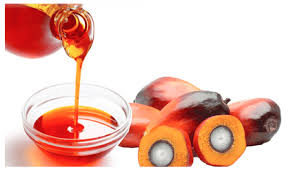
Palm oil is a widely used edible vegetable oil extracted from the reddish pulp of the fruit of the oil palm tree (Elaeis guineensis). It is one of the most important and widely traded oils in the global food and industrial sectors due to its high yield, versatility, and relatively low production cost.
Palm oil is distinct from palm kernel oil. It is obtained from the outer fruit pulp, while palm kernel oil comes from the inner seed. Palm oil is naturally semi-solid at room temperature and has a rich red-orange color in its unrefined form due to its high carotenoid content.
It is used extensively in cooking, processed foods, bakery products, cosmetics, detergents, and biofuel production.
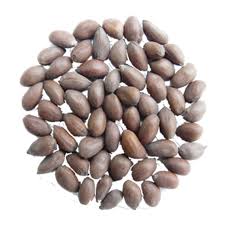
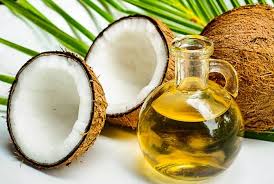
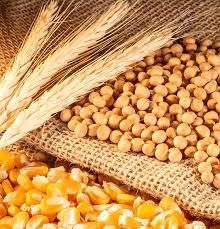
Key Visual Overview
6
Product Definition
Palm oil is a vegetable oil extracted from the mesocarp (fleshy part) of oil palm fruit. It is processed through sterilization, pressing, clarification, and refining to produce edible and industrial-grade oil.
It is primarily used for:
Cooking and frying oil
Food manufacturing ingredients
Industrial applications such as soap and cosmetics
Biofuel production
Product Features
1. High Yield Crop Oil
Oil palm produces more oil per hectare than most oilseed crops.
2. Semi-Solid Nature
Naturally stable at room temperature, useful for food texture.
3. Neutral to Mild Flavor (Refined)
Suitable for a wide range of food applications.
4. Long Shelf Stability
Resists oxidation when properly processed.
5. Versatile Applications
Used in food, cosmetics, and industrial sectors.
6. Cost-Effective Production
Efficient large-scale agricultural commodity.
Tabulated Product Specifications
Parameter
Specification
Product Name
Palm Oil
Source
Oil palm fruit (Elaeis guineensis)
Product Type
Vegetable Oil
Color
Red (crude) / Yellow (refined)
Texture
Semi-solid to liquid
Flavor
Mild (refined) / Strong (crude)
Oil Type
Edible & Industrial
Fat Composition
Saturated & unsaturated fats
Carotenoids
High (crude oil)
Vitamin E
Present (tocotrienols)
Shelf Life
6 months – 1 year+
Packaging
Bottles / drums / bulk tanks
Storage
Cool, dry, away from sunlight
Applications
Food, cosmetics, biofuel
Nutritional Composition
Palm oil contains energy-dense lipids and micronutrients:
Fatty Acids
Palmitic acid (major component)
Oleic acid
Linoleic acid
Vitamins
Vitamin E (tocopherols and tocotrienols)
Vitamin A precursors (in crude oil)
Energy Content
High-calorie edible fat source
Uses of Palm Oil
1. Food Industry
Used widely in:
Cooking oil
Margarine
Bakery products
Instant noodles
Snack foods
2. Industrial Food Processing
Acts as a key ingredient in:
Processed foods
Confectionery fats
Frying oils
3. Cosmetics and Personal Care
Used in:
Soaps
Lotions
Creams
Shampoos
4. Industrial Applications
Used in:
Detergents
Lubricants
Biofuel (biodiesel)
Processing Steps
1. Harvesting
Fresh fruit bunches are harvested from oil palm trees.
2. Sterilization
Steam is used to soften fruits and stop enzyme activity.
3. Threshing
Fruits are separated from bunches.
4. Pressing
Oil is extracted from the fruit pulp.
5. Clarification
Impurities are removed from crude oil.
6. Refining (Optional)
Improves color, flavor, and stability for edible use.
Quality Assurance
Key quality checks include:
Free fatty acid level control
Moisture content testing
Color and clarity evaluation
Contaminant removal
Oxidation stability testing
Food safety compliance
Packaging and Storage
Packaging Options
Plastic bottles
Metal drums
Industrial bulk tanks
Storage Conditions
Cool temperature
Avoid direct sunlight
Airtight containers
Protection from oxidation
Proper storage maintains freshness and prevents rancidity.
Advantages of Palm Oil
1. High Productivity
Highest oil yield per land area among vegetable oils.
2. Versatile Applications
Used in food and non-food industries.
3. Long Shelf Stability
Resistant to oxidation when refined.
4. Cost Efficiency
Economical for large-scale production.
5. Strong Global Demand
One of the most traded vegetable oils worldwide.
Commercial Importance
Palm oil is a strategic global commodity supporting:
Food manufacturing industries
Agricultural economies in tropical regions
Cosmetics and personal care production
Renewable energy (biofuel sector)
It plays a major role in global edible oil supply chains.
Conclusion
Palm oil is one of the most important vegetable oils in the world due to its high yield, versatility, and wide industrial applications. Extracted from oil palm fruit, it serves as a key ingredient in cooking, processed foods, cosmetics, detergents, and biofuel production.
Through efficient cultivation and processing, palm oil provides a stable, cost-effective, and widely available oil source. As global demand for edible oils and industrial fats continues to grow, palm oil remains a central commodity in international agriculture and trade.