Cotton – Natural Fiber Crop for Textiles, Oil, and Industrial Use
Introduction
Cotton is a natural plant fiber obtained from the seed hairs of cotton plants (Gossypium spp.). It is one of the most important agricultural crops in the world, widely used in textile manufacturing, oil production, animal feed, and various industrial applications.
Cotton is often called “white gold” because of its high economic value and its central role in the global textile industry.
Product Overview
Cotton is harvested from mature cotton bolls. After harvesting, it is processed through ginning to separate:
Cotton fiber (lint) → used for textiles
Cotton seeds → used for oil and animal feed
This dual-purpose nature makes cotton a highly valuable cash crop.
Key Visual Overview
6
Product Features
1. High-Quality Natural Fiber
Soft, breathable, and suitable for textiles.
2. Dual-Commodity Crop
Provides both fiber and edible oil from seeds.
3. High Global Demand
Essential raw material for the textile industry.
4. Renewable Agricultural Product
Annually cultivated crop in many regions.
5. Industrial Versatility
Used in textiles, oil extraction, paper, and feed.
6. Strong Economic Importance
Major cash crop for many developing countries.
Tabulated Product Specifications
Parameter
Specification
Product Name
Cotton
Scientific Name
Gossypium spp.
Product Type
Fiber Crop / Industrial Crop
Main Products
Cotton fiber, cottonseed oil
Fiber Color
White (natural)
Fiber Texture
Soft, fluffy
Moisture Content
Low (processed lint)
Harvest Season
Annual crop cycle
Processing Method
Ginning, spinning
Packaging
Bales (fiber), sacks (seed)
Storage Condition
Dry, ventilated storage
Main Applications
Textiles, oil, feed
Quality Grade
Textile / Industrial grade
Components of Cotton
1. Cotton Fiber (Lint)
Used in:
Clothing
Bedsheets
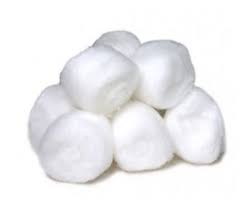
Medical cotton
Industrial textiles
2. Cotton Seeds
Used for:
Cottonseed oil
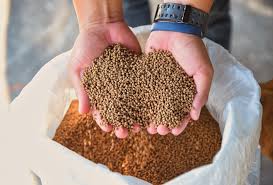
Animal feed (cottonseed cake)
Industrial oil products
Uses of Cotton
1. Textile Industry
Main global use:
T-shirts
Jeans
Shirts
Towels
Bedsheets
2. Medical Industry
Used in:
Cotton wool
Bandages
Surgical dressings
3. Oil Production
Cottonseed is processed into edible and industrial oils.
4. Animal Feed
Cottonseed meal is a protein-rich livestock feed.
5. Industrial Applications
Used in:
Paper production
Filters
Packaging materials
Processing Methods
1. Harvesting
Mature cotton bolls are handpicked or machine harvested.
2. Ginning
Fiber is separated from seeds.
3. Cleaning
Removal of dirt, leaves, and impurities.
4. Baling
Cotton fiber is compressed into bales for transport.
5. Spinning
Fibers are converted into yarn for textiles.
Quality Factors
Cotton quality is determined by:
Fiber length (staple length)
Fiber strength
Color grade
Moisture level
Cleanliness and contamination level
Advantages of Cotton
1. High Economic Value
Major global cash crop.
2. Versatile Applications
Used in clothing, oil, and industrial goods.
3. Renewable Resource
Cultivated annually.
4. Strong Market Demand
Essential for global textile supply chains.
5. Multiple Revenue Streams
Fiber and seed both generate income.
Commercial Importance
Cotton plays a critical role in global agriculture and trade:
Major textile raw material worldwide
Important export crop for many countries
Supports millions of farmers and industries
Key driver of rural economies
Conclusion
Cotton is one of the world’s most important agricultural crops, valued for its natural fiber and oil-rich seeds. It supports the global textile industry while also providing valuable by-products like cottonseed oil and animal feed.
Through proper cultivation and processing, cotton becomes a highly versatile commodity that supports clothing production, industrial manufacturing, and agricultural economies worldwide.