Cotton lint is one of the most important natural textile raw materials in the global fiber and apparel industry. It refers to the clean, fluffy fiber obtained after the processing of harvested cotton bolls, once the seeds and impurities have been removed. This fiber is the primary input used in spinning yarn, weaving fabrics, and producing a wide range of textile products that form the backbone of the global clothing and home furnishing industries.
Cotton lint originates from the cotton plant, a soft, fibrous crop cultivated extensively in tropical and subtropical regions around the world. Major producing countries include India, China, the United States, Brazil, Pakistan, and several African nations. The cotton industry supports millions of farmers, ginners, spinners, and textile workers globally, making it one of the most economically significant agricultural commodities.
The transformation of raw cotton into lint involves a series of carefully controlled mechanical processes, including harvesting, ginning, cleaning, and baling. Once processed, cotton lint is graded based on fiber length, strength, color, cleanliness, and micronaire value (fineness and maturity). These quality parameters determine its suitability for different textile applications.
Cotton lint is highly valued for its softness, breathability, absorbency, and versatility. It is used in clothing, medical textiles, industrial fabrics, and home furnishings. Its natural origin and comfort properties make it one of the most widely used fibers in the world, accounting for a significant share of global textile production.
Definition of Cotton Lint
Cotton lint is defined as the clean, staple fiber obtained from cotton bolls after the removal of seeds and foreign matter during the ginning process. It is the usable fiber portion of raw cotton that is processed into yarn and fabric.
Botanically, cotton lint is derived from plants of the genus Gossypium, which produce fluffy seed hairs that protect the seeds inside the cotton boll.
Gossypium hirsutum is the most widely cultivated cotton species globally and accounts for the majority of cotton lint production used in the textile industry.
Cotton lint is classified as a natural cellulose fiber and is composed primarily of cellulose, which gives it strength, flexibility, and absorbency. It is available in different staple lengths and qualities, depending on the cotton variety and processing methods.
Botanical Origin and Plant Characteristics
The cotton plant belongs to the Malvaceae family and grows as a shrub or small tree in warm climates. It produces seed pods known as bolls, which contain cotton fibers attached to seeds.
Key characteristics of the cotton plant include:
Height ranging from 0.5 to 2 meters depending on variety
Large green leaves with lobed structure
White, yellow, or pink flowers that develop into bolls
Fibrous seed hairs that expand as the boll matures
When the cotton boll opens, the fibers fluff out and become visible. These fibers are harvested and processed into cotton lint.
Production Process of Cotton Lint
The production of cotton lint involves multiple stages from field to factory:
1. Cultivation
Cotton is grown in warm climates with adequate rainfall or irrigation. Farmers prepare soil, plant seeds, and manage pests and nutrients throughout the growing season.
2. Harvesting
Cotton is harvested either manually or using mechanical pickers. Mature bolls are collected when they open naturally.
3. Seed Cotton Collection
The harvested cotton contains both fiber and seeds and is referred to as seed cotton.
4. Ginning
Ginning is the most critical step in cotton lint production. It involves separating fibers from seeds using mechanical gins. This process produces:
Cotton lint (clean fiber)
Cottonseed (by-product used for oil and animal feed)
5. Cleaning
After ginning, the lint is cleaned to remove dust, leaf particles, and other impurities.
6. Pressing and Baling
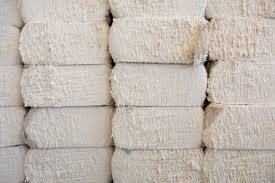
Clean cotton lint is compressed into bales for easy transportation and storage.
7. Grading
Cotton lint is graded based on quality parameters such as fiber length, strength, color, and contamination level.
Physical and Chemical Characteristics
Cotton lint possesses distinct properties that make it highly suitable for textile production:
Soft, fluffy, and fibrous texture
High cellulose content (around 90% or more)
Excellent moisture absorption capability
Good tensile strength when dry
Breathable and comfortable against skin
Naturally biodegradable
White to off-white color depending on variety and processing
Cotton lint also becomes stronger when wet, a unique property among natural fibers.
Tabulated Specification of Cotton Lint
Specification
Details
Product Name
Cotton Lint
Botanical Source
Gossypium species (mainly Gossypium hirsutum)
Product Type
Natural textile fiber
Form
Loose fiber / compressed bales
Color
White to creamy white
Fiber Composition
85%–95% cellulose
Staple Length
Short, medium, or long (varies by variety)
Micronaire Value
3.0 – 5.5 (fiber fineness/maturity indicator)
Moisture Content
6% – 8%
Strength
Medium to high tensile strength
Absorbency
High
Biodegradability
100% biodegradable
Packaging
Compressed bales (steel or jute wrapped)
Storage Conditions
Dry, ventilated storage away from moisture and fire hazards
Shelf Life
Long-term if properly stored
Contaminants
Must be free from seeds, trash, and foreign matter
Classification of Cotton Lint
Cotton lint is classified based on fiber length, quality, and usage:
1. Long Staple Cotton
Long fibers produce fine, strong, and smooth yarns used in premium textiles and luxury fabrics.
2. Medium Staple Cotton
This is the most widely used category, suitable for general clothing and textile production.
3. Short Staple Cotton
Short fibers are used in lower-grade fabrics, medical cotton, and industrial applications.
4. Organic Cotton Lint
Produced without synthetic pesticides or fertilizers, often used in eco-friendly textiles.
5. Colored Cotton Lint
Naturally pigmented cotton varieties used in niche textile markets.
Uses of Cotton Lint
Cotton lint has a wide range of applications across multiple industries:
1. Textile and Apparel Industry
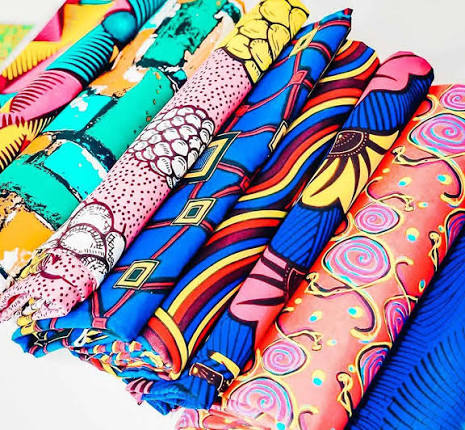
The primary use of cotton lint is in textile manufacturing. It is spun into yarn and woven or knitted into fabrics used for:
Shirts, trousers, dresses
Undergarments and baby clothing
Denim and jeans
Bed linens and towels
Curtains and upholstery
Its softness and breathability make it ideal for daily wear clothing.
2. Medical and Hygiene Products
Cotton lint is widely used in healthcare due to its purity and absorbency:
Surgical cotton
Bandages and gauze
Cotton swabs and pads
Wound dressings
Its non-irritating nature makes it safe for skin contact.
3. Industrial Applications
Cotton lint is used in various industrial sectors such as:
Filtration materials
Insulation products
Paper production (specialty papers)
Composite materials
4. Home Furnishing Products
Cotton lint-based fabrics are used in:
Bed sheets
Pillow covers
Upholstery fabrics
Curtains and drapes
These products benefit from cotton’s comfort and durability.
5. Cottonseed By-Products
Although not part of lint, cotton processing produces cottonseed, which is used for:
Cottonseed oil production
Animal feed
Fertilizers
This enhances the overall economic value of cotton farming.
6. Fashion and Luxury Textiles
High-quality cotton lint is used in premium fashion fabrics such as:
Egyptian cotton products
High-thread-count luxury sheets
Designer clothing fabrics
Processing and Quality Control
Ensuring high-quality cotton lint requires strict control measures:
Proper harvesting timing to avoid immature fibers
Efficient ginning to minimize fiber damage
Thorough cleaning to remove contaminants
Moisture control during storage
Accurate grading and classification
Quality is assessed using parameters such as fiber length, strength, fineness, color grade, and trash content.
Storage and Handling Guidelines
Proper storage is essential to maintain cotton lint quality:
Store in dry, well-ventilated warehouses
Avoid exposure to moisture and humidity
Keep away from fire hazards due to flammability
Protect from contamination and pests
Stack bales properly for air circulation
Improper storage may lead to discoloration, mold growth, and fiber degradation.
Economic Importance
Cotton lint is one of the most traded agricultural commodities globally. It plays a major role in the economies of producing countries by supporting agriculture, manufacturing, and export industries.
The cotton value chain includes farmers, ginners, spinners, textile manufacturers, exporters, and retailers. This creates millions of jobs worldwide, particularly in developing economies.
Cotton lint exports contribute significantly to foreign exchange earnings, while domestic textile industries depend heavily on its availability for production.
Environmental Considerations
Cotton lint is a natural and biodegradable fiber, making it environmentally friendly compared to synthetic fibers. However, conventional cotton farming may involve significant water usage and pesticide application.
Sustainable practices such as organic farming, efficient irrigation, and integrated pest management are increasingly adopted to reduce environmental impact and improve long-term viability.
Conclusion
Cotton lint is a fundamental natural fiber that serves as the backbone of the global textile industry. Derived from the cotton plant, particularly Gossypium hirsutum, it undergoes a detailed processing journey from field to finished fiber.
Its unique properties—softness, absorbency, breathability, and strength—make it ideal for a wide range of applications, from clothing and home textiles to medical and industrial products. Beyond its functional value, cotton lint plays a vital role in global trade, employment, and rural development.
As demand for sustainable and natural fibers continues to grow, cotton lint remains a key material in the transition toward eco-friendly textile production. Its versatility and economic importance ensure its continued relevance in both traditional and modern industries.
In essence, cotton lint is not just a raw fiber—it is a global agricultural and industrial cornerstone that connects farmers, manufacturers, and consumers through one of the most essential materials in human daily life.