Organic vegetables are fresh edible plant products cultivated without the use of synthetic fertilizers, chemical pesticides, herbicides, genetically modified organisms (GMOs), or artificial growth enhancers. They are produced through environmentally friendly farming systems that prioritize soil health, biodiversity, and ecological balance.
Vegetables are a fundamental part of the human diet, providing essential nutrients such as vitamins, minerals, fiber, and antioxidants. Organic vegetables take this nutritional value further by ensuring that consumers receive produce that is grown naturally and free from harmful chemical residues.
The demand for organic vegetables has increased globally due to rising health awareness, food safety concerns, and environmental sustainability considerations. They are widely consumed in fresh form and also used in food processing industries such as frozen foods, soups, sauces, baby foods, and ready-to-eat meals.
Organic vegetable farming is practiced across many regions worldwide, including Africa, Asia, Europe, and the Americas. Farmers use natural compost, crop rotation, biological pest control, and agroecological methods to maintain soil fertility and produce high-quality crops.
Definition of Organic Vegetables
Organic vegetables are vegetables produced under certified organic farming systems that prohibit synthetic agricultural chemicals and promote natural farming practices that sustain soil fertility and environmental health.
To be labeled as organic, vegetables must meet standards set by recognized certification bodies such as USDA Organic, EU Organic, or equivalent national regulatory organizations. These standards ensure that every stage of production—planting, growing, harvesting, and packaging—is free from prohibited substances.
Organic vegetables are cultivated using:
Natural compost and organic fertilizers
Biological pest control methods
Crop rotation and intercropping systems
Mulching and soil conservation techniques
Manual weed control practices
The result is clean, safe, and environmentally sustainable food production.
General Characteristics of Organic Vegetables
Organic vegetables have distinctive characteristics that set them apart from conventionally grown produce:
Natural color and appearance without artificial coating
Fresh aroma and authentic taste
No synthetic chemical residues
Often slightly smaller but more flavorful
High nutrient density
Seasonal availability depending on crop type
Shorter shelf life due to absence of preservatives
Their quality depends on soil health, climate conditions, and organic farming practices.
Types of Organic Vegetables
Organic vegetables are categorized into several groups based on plant structure and edible parts:
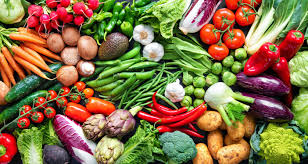
1. Leafy Vegetables
These include spinach, lettuce, kale, cabbage, and amaranth. They are rich in vitamins A, C, K, and iron.
2. Root Vegetables
Examples include carrots, radishes, beets, cassava, and turnips. These vegetables grow underground and store nutrients in their roots.
3. Fruit Vegetables
These are vegetables that develop from flowers and contain seeds, such as tomatoes, cucumbers, peppers, eggplants, and pumpkins.
4. Stem Vegetables
Includes celery, asparagus, and sugarcane shoots. These are harvested from plant stems.
5. Bulb Vegetables
Examples include onions, garlic, and leeks. They are known for strong flavor and medicinal properties.
6. Leguminous Vegetables
Includes beans, peas, and lentils, which are rich in plant protein and improve soil fertility through nitrogen fixation.
Botanical and Agricultural Background
Organic vegetables come from a wide range of plant species cultivated under natural farming conditions. These crops depend on healthy soil ecosystems, adequate water supply, and balanced nutrient cycles.
Solanum lycopersicum is one of the most widely grown organic vegetable species globally and is valued for its nutritional content, culinary versatility, and high consumer demand.
Vegetable cultivation is often carried out in open fields, greenhouses, or mixed farming systems that promote biodiversity and reduce pest pressure naturally.
Organic Farming Practices for Vegetables
Organic vegetable production relies on sustainable agricultural techniques designed to protect the environment and improve soil fertility:
1. Soil Fertility Management
Farmers use:
Compost manure
Green manure crops
Animal waste fertilizers
Organic mulching materials
2. Pest and Disease Control
Instead of chemical pesticides, organic farms use:
Neem-based sprays
Natural predators (biocontrol agents)
Companion planting
Physical pest barriers and traps
3. Weed Management
Weeds are controlled through manual removal, mulching, and cover cropping.
4. Water Management
Efficient irrigation systems such as drip irrigation are used to conserve water and improve efficiency.
5. Crop Rotation and Intercropping
These practices help maintain soil fertility and reduce pest and disease cycles.
Production and Handling Process
Organic vegetables go through a careful production and distribution chain:
1. Seed Selection and Planting
Certified organic seeds are planted in nutrient-rich organic soil.
2. Cultivation and Maintenance
Plants are monitored using natural pest and nutrient management techniques.
3. Harvesting
Vegetables are hand-harvested at optimal maturity to ensure freshness and quality.
4. Sorting and Grading
Harvested produce is sorted based on size, shape, and quality.
5. Cleaning and Packaging
Vegetables are cleaned with safe water and packaged using eco-friendly materials.
6. Storage and Transportation
Cold chain systems are used where necessary to preserve freshness and reduce spoilage.
They contribute significantly to overall health and disease prevention.
Uses of Organic Vegetables
Organic vegetables are widely used across multiple sectors:
1. Household Consumption
They are consumed fresh in daily meals such as salads, soups, stews, and side dishes.
2. Food Processing Industry
Organic vegetables are used in:
Frozen vegetable mixes
Canned vegetables
Vegetable soups and sauces
Ready-to-eat meals
3. Juice and Beverage Industry
Some vegetables are used in:
Vegetable juices
Detox drinks
Health smoothies
4. Baby Food Industry
Due to their purity, organic vegetables are used in:
Baby purees
Infant nutrition products
Organic baby meals
5. Nutritional Supplements
Used in:
Vegetable powders
Superfood blends
Dietary supplements
6. Cosmetic Industry
Vegetable extracts are used in:
Skin care products
Natural face masks
Herbal formulations
7. Export Trade
Organic vegetables are high-demand export products in markets that prioritize clean, safe, and sustainable food.
Health Benefits of Organic Vegetables
Organic vegetables offer multiple health benefits:
1. Chemical-Free Nutrition
They reduce exposure to synthetic pesticide residues.
2. Rich in Nutrients
Provide essential vitamins and minerals for body function.
3. Improves Digestion
High fiber content supports gut health.
4. Boosts Immunity
Vitamins and antioxidants strengthen the immune system.
5. Supports Heart Health
Helps regulate blood pressure and cholesterol levels.
6. Enhances Overall Wellness
Promotes long-term health and disease prevention.
Storage and Handling Guidelines
Proper handling is essential to maintain freshness:
Store in cool or refrigerated conditions
Avoid direct sunlight exposure
Handle gently to prevent damage
Use breathable packaging materials
Maintain hygiene during processing and transport
Quality Control Standards
High-quality organic vegetables must meet strict requirements:
Certified organic compliance
No synthetic chemical residues
Freshness and uniform appearance
Proper ripeness at harvest
Clean and undamaged produce
Traceable farm origin
Economic Importance
Organic vegetable production is a rapidly growing sector in global agriculture. It provides income for farmers, supports rural development, and meets increasing consumer demand for healthy and sustainable food products.
The market is expanding due to rising health awareness, urbanization, and preference for clean-label foods.
Environmental Importance
Organic vegetable farming contributes to environmental sustainability by:
Reducing soil and water pollution
Enhancing biodiversity
Improving soil structure and fertility
Reducing carbon footprint
Promoting sustainable land use
Conclusion
Organic vegetables are a vital component of the global food system, offering nutritious, safe, and environmentally friendly food options. Grown without synthetic chemicals and produced under strict organic standards, they represent a healthier alternative to conventionally grown vegetables.
Their applications extend across household consumption, food processing, baby food production, cosmetics, and international trade, making them highly versatile and economically significant.
Beyond their nutritional value, organic vegetables contribute to environmental protection and sustainable agriculture, supporting long-term food security and ecosystem health.
In essence, organic vegetables are more than just food—they are a cornerstone of healthy living, sustainable farming, and responsible consumption in a rapidly evolving global food landscape.