Fair-trade products are goods produced and traded under ethical certification systems designed to ensure that farmers, workers, and producers in developing regions receive fair compensation, safe working conditions, and sustainable trading relationships. Unlike conventional trade systems that often prioritize low production costs, fair trade emphasizes social justice, environmental sustainability, and economic equity.
Fair-trade certification connects consumers directly with producers through transparent supply chains. It guarantees that products are sourced responsibly and that a minimum price is paid to producers, helping them cover production costs and maintain stable incomes even when global market prices fluctuate.
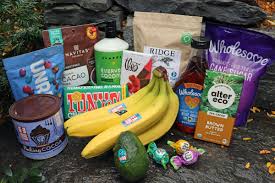
Fair-trade products are found in many global markets, including food, beverages, textiles, crafts, and personal care items. Common examples include coffee, cocoa, tea, sugar, bananas, cotton, honey, and handmade crafts.
The fair-trade movement has grown significantly due to increasing global awareness of ethical consumption, sustainability, and human rights. Consumers are now more interested not only in product quality but also in how and where products are made.
Definition of Fair-Trade Products
Fair-trade products are goods certified under fair-trade standards that ensure ethical production, fair pricing, environmental sustainability, and improved working conditions for producers in developing countries.
Certification is typically provided by organizations such as Fairtrade International and other recognized ethical trading bodies. These standards regulate:
Minimum price guarantees for producers
Fair wages and labor rights
Safe working conditions
Environmental protection practices
Community development funding (Fairtrade Premium)
Fair-trade systems aim to reduce poverty, promote sustainability, and empower marginalized farming and labor communities.
Core Principles of Fair Trade
Fair-trade systems are built on several key principles:
1. Fair Payment
Producers receive a minimum guaranteed price for their goods, protecting them from volatile market fluctuations.
2. Decent Working Conditions
Fair trade ensures safe, healthy, and non-exploitative working environments.
Encourages organic farming, reduced chemical use, and eco-friendly production methods.
5. Community Development
A Fairtrade Premium is paid to producer communities for investment in education, healthcare, and infrastructure.
6. Long-Term Trade Relationships
Fair trade promotes stable and transparent partnerships between producers and buyers.
Definition of Fair-Trade Products
Fair-trade products are goods that are certified to meet internationally recognized ethical trade standards, ensuring that producers in developing countries are paid fairly and work under safe, sustainable conditions.
These products often carry certification labels such as the Fairtrade Mark, indicating compliance with strict social, economic, and environmental criteria.
Categories of Fair-Trade Products
Fair-trade products span a wide range of industries:
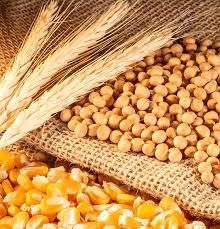
1. Agricultural Products
These are the most common fair-trade goods:
Coffee
Cocoa
Tea
Bananas
Sugar
Rice
Spices
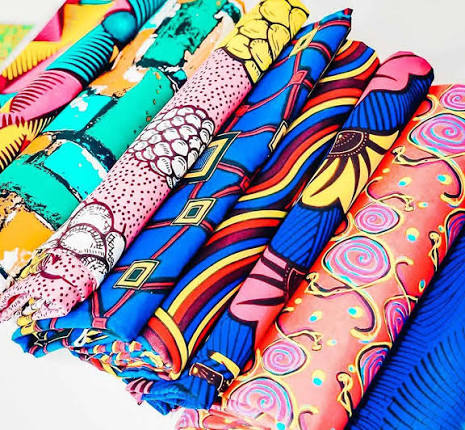
2. Textile Products
Includes:
Cotton
Handwoven fabrics
Ethical clothing
3. Handicrafts
Includes:
Handmade jewelry
Artisanal crafts
Home décor items
4. Personal Care Products
Includes:
Shea butter products
Natural soaps
Organic skincare items
5. Processed Foods
Includes:
Chocolate
Fruit juices
Jam and preserves
Botanical and Agricultural Example
Many fair-trade products come from agricultural crops grown in tropical regions. One of the most widely recognized fair-trade crops is coffee:
Coffea arabica is a key crop in fair-trade systems due to its high global demand and the large number of smallholder farmers involved in its production.
Fair-trade farming often overlaps with organic and sustainable agricultural systems, although they are distinct certifications.
Fair-Trade Supply Chain Process
The fair-trade supply chain is designed to ensure transparency and ethical practices at every stage:
1. Production
Farmers cultivate crops using sustainable and ethical methods, often organized in cooperatives.
2. Harvesting
Crops are harvested under fair labor conditions without exploitative practices.
3. Certification
Independent auditors verify compliance with fair-trade standards.
4. Processing
Raw materials are processed in facilities that meet safety and labor standards.
5. Export and Trade
Products are exported through certified fair-trade channels with guaranteed minimum pricing.
6. Retail and Consumption
Products are sold in global markets with fair-trade labeling, allowing consumers to make ethical purchasing decisions.
Physical and Market Characteristics
Fair-trade products are not defined by physical appearance but by their ethical production standards. However, they often share certain market characteristics:
Certified labeling (Fairtrade Mark or equivalent)
Traceable supply chains
Premium pricing compared to conventional products
Strong branding focused on ethics and sustainability
Often combined with organic certification
Tabulated Specification of Fair-Trade Products
Specification
Details
Product Name
Fair-Trade Products
Type
Ethically certified goods
Certification
Fairtrade International or equivalent
Origin
Developing countries (Africa, Asia, Latin America)
Product Forms
Raw, processed, packaged goods
Key Features
Fair pricing, ethical labor, sustainability
Farming Method
Sustainable / often organic-compatible
Additives
None (varies by product category)
Packaging
Certified labeling, eco-friendly packaging
Traceability
Fully traceable supply chain
Shelf Life
Varies by product type
Market Position
Ethical, premium consumer segment
Examples of Fair-Trade Products
1. Fair-Trade Coffee
Coffee grown under fair-trade conditions ensures farmers receive stable income and improved community support.
2. Fair-Trade Cocoa
Used in chocolate production, ensuring cocoa farmers are fairly compensated.
3. Fair-Trade Tea
Tea leaves produced under ethical labor and environmental standards.
4. Fair-Trade Bananas
Produced with fair wages and sustainable farming practices.
5. Fair-Trade Cotton
Used in ethical clothing and textile production.
Uses of Fair-Trade Products
Fair-trade products are used across multiple sectors:
1. Food and Beverage Industry
Fair-trade ingredients are used in:
Coffee shops and cafés
Chocolate manufacturing
Tea production
Organic food brands
2. Retail and Supermarkets
Fair-trade goods are sold in:
Supermarket ethical product sections
Specialty organic stores
Online ethical marketplaces
3. Fashion Industry
Fair-trade cotton and textiles are used in:
Ethical clothing brands
Sustainable fashion lines
Handcrafted garments
4. Cosmetics Industry
Fair-trade ingredients are used in:
Natural skincare products
Shea butter creams
Organic beauty products
5. Gift and Craft Industry
Fair-trade handicrafts are used for:
Decorative items
Cultural artifacts
Ethical gift products
Health and Social Benefits of Fair Trade
While fair trade is primarily a social and economic system, it also provides indirect benefits:
1. Improved Livelihoods
Ensures stable income for farmers and workers.
2. Community Development
Funds education, healthcare, and infrastructure through Fairtrade Premiums.
3. Environmental Protection
Encourages sustainable farming practices.
4. Consumer Awareness
Promotes ethical consumption and responsible purchasing behavior.
5. Reduced Exploitation
Helps eliminate child labor and unfair working conditions.
Economic Importance
Fair-trade systems play a major role in global trade by:
Supporting smallholder farmers
Stabilizing incomes in volatile markets
Promoting equitable trade relationships
Increasing access to international markets
Encouraging sustainable rural development
It is especially important in developing countries where agriculture is a primary source of income.
Fair-trade products follow standard storage practices depending on product type:
Store food products in cool, dry conditions
Maintain hygiene during handling
Use eco-friendly packaging materials
Avoid contamination and exposure to moisture
Follow product-specific storage requirements
Quality Control Standards
Fair-trade certification includes strict monitoring:
Compliance with fair-trade standards
Regular audits and inspections
Product quality testing
Labor and environmental compliance checks
Supply chain traceability verification
Conclusion
Fair-trade products represent a global movement toward ethical consumption, sustainability, and social justice in international trade. They ensure that producers in developing regions receive fair compensation and work under safe and dignified conditions while promoting environmentally responsible farming and production practices.
These products span across agriculture, textiles, cosmetics, and handicrafts, making them highly diverse and widely available in global markets. Beyond their physical value, fair-trade goods carry a deeper social meaning—supporting communities, empowering farmers, and promoting sustainable development.
As global consumers become more conscious of the origins and impacts of their purchases, fair-trade products continue to grow in importance. They bridge the gap between producers and consumers, ensuring that trade benefits everyone involved in the supply chain.
In essence, fair-trade products are not just commodities—they are a commitment to fairness, sustainability, and shared prosperity in the global economy.