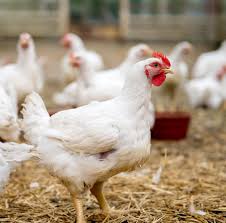
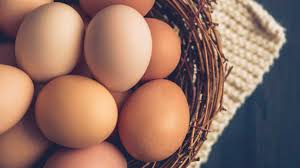
Eggs are one of the most widely consumed animal products in the world, produced primarily by domesticated birds such as chickens. They are a highly nutritious food source rich in protein, vitamins, minerals, and healthy fats. Eggs play a central role in human diets due to their versatility, affordability, and high biological value protein content.
In agriculture and food systems, eggs are considered a key livestock product, forming part of both small-scale backyard farming and large commercial poultry industries. They are consumed in various forms—boiled, fried, scrambled, baked, or used as ingredients in food processing industries.
The global demand for eggs continues to grow due to increasing awareness of their nutritional benefits and their essential role in food security and dietary diversity.
Definition of Eggs
Eggs are reproductive bodies produced by female birds, especially chickens, consisting of a protective shell enclosing yolk and albumen (egg white), which provide nutrients for embryonic development or human consumption.
Most commercially produced eggs come from domesticated chickens, scientifically known as:
Gallus gallus domesticus
Eggs used for food are typically unfertilized and are produced in controlled poultry farming systems known as layer production systems.
Structure of an Egg
An egg consists of several key parts:
Eggshell: Hard outer protective layer made mainly of calcium carbonate
Egg white (albumen): High-protein fluid that provides protection and nutrition
Egg yolk: Nutrient-rich core containing fats, vitamins, and minerals
Chalazae: Protein structures that hold the yolk in place
Air cell: Small pocket of air at the wider end of the egg
Each component contributes to the egg’s nutritional value and functional properties in cooking and food processing.
Types of Eggs
1. Chicken Eggs
The most commonly consumed eggs worldwide, widely used in households and food industries.
2. Free-Range Eggs
Produced by chickens that have outdoor access, often considered higher in quality and taste.
3. Organic Eggs
Produced under organic farming systems without synthetic feed additives or chemicals.
4. Brown Eggs
Eggs with brown shells, often associated with specific breeds; nutritionally similar to white eggs.
5. White Eggs
Eggs with white shells, commonly produced by high-yield commercial breeds.
6. Fertilized Eggs
Eggs that have been fertilized and can develop into chicks under incubation.
Production Process of Eggs
Egg production follows a structured poultry farming system:
1. Layer Chick Rearing
Chicks are raised specifically for egg production.
2. Growth Phase
Birds are fed balanced diets to support healthy development.
3. Laying Phase
Hens begin laying eggs at around 18–22 weeks of age.
4. Collection
Eggs are collected multiple times daily to maintain cleanliness and quality.
5. Cleaning and Sorting
Eggs are cleaned, graded by size and quality, and checked for defects.
6. Packaging
Eggs are packed in trays or cartons for distribution.
Freshness is a key quality indicator in egg marketing.
Tabulated Specification of Eggs
Specification
Details
Product Name
Eggs
Scientific Source
Gallus gallus domesticus
Product Type
Animal protein food product
Shell Types
White or brown
Average Weight
45g – 70g per egg
Composition
Shell, albumen, yolk
Nutrient Content
High protein, fats, vitamins (A, D, B12), minerals
Shelf Life
2–5 weeks (refrigerated storage)
Storage Conditions
Cool, dry, refrigerated environment
Packaging
Egg trays, cartons, crates
Grading
Size-based (S, M, L, XL)
Production System
Cage, free-range, organic
Traceability
Farm-based poultry systems
Nutritional Value of Eggs
Eggs are considered a complete protein source, containing:
High-quality protein (all essential amino acids)
Healthy fats
Vitamin A, D, E, and B-complex vitamins
Iron, phosphorus, selenium, and zinc
Choline (important for brain health)
They are widely recommended in balanced diets.
Uses of Eggs
Eggs are used in multiple industries:
1. Household Consumption
Consumed in various forms such as boiled, fried, scrambled, or baked.
2. Bakery and Confectionery Industry
Essential in:
Cakes
Bread
Pastries
Cookies
Custards
3. Food Processing Industry
Used in:
Mayonnaise
Pasta production
Ready-to-eat meals
Sauces and dressings
4. Hospitality Industry
Used in hotel breakfasts, gourmet dishes, and catering services.
5. Pharmaceutical and Nutritional Industry
Egg derivatives are used in supplements and medical nutrition products.
6. Cosmetic Industry
Egg proteins are used in:
Hair masks
Skin care treatments
Natural beauty formulations
Health Benefits of Eggs
Eggs provide numerous health benefits:
1. High-Quality Protein Source
Supports muscle growth and repair.
2. Brain Health
Choline supports cognitive function.
3. Eye Health
Lutein and zeaxanthin support vision.
4. Bone Strength
Vitamin D supports calcium absorption.
5. Weight Management
Promotes satiety and reduces hunger.
Economic Importance
Egg production is a major global agricultural sector:
Provides affordable protein to populations
Creates employment in poultry farming
Supports rural and urban livelihoods
Supplies food industries and export markets
Requires relatively low investment with high returns
Egg farming is especially important in developing economies for food security.
Environmental Considerations
Egg production has both positive and manageable environmental impacts:
Efficient feed-to-protein conversion
Poultry manure used as organic fertilizer
Requires proper waste management systems
Can be integrated into sustainable farming practices
Storage and Handling Guidelines
To maintain egg quality:
Store in cool or refrigerated conditions
Avoid washing before storage (removes protective layer)
Keep in original cartons to prevent damage
Avoid exposure to strong odors
Handle gently to prevent cracking
Quality Control Standards
High-quality eggs must meet:
Clean, unbroken shells
Proper size and weight grading
Fresh internal quality (firm yolk, thick white)
Absence of contamination
Proper labeling and traceability
Compliance with food safety standards
Conclusion
Eggs are one of the most important and versatile food products in global nutrition, offering high-quality protein, essential vitamins, and minerals in a compact and affordable form. Produced mainly by domesticated chickens such as Gallus gallus domesticus, eggs are a cornerstone of both household diets and industrial food production systems.
Their wide range of uses—from cooking and baking to food processing and cosmetics—makes them indispensable in modern economies. Combined with their accessibility, nutritional richness, and economic value, eggs remain a vital component of global food security.
In essence, eggs are not just a basic food item—they are a complete nutritional package that supports health, livelihoods, and the global food supply chain.