Frozen chicken is poultry meat that has been preserved through controlled freezing processes to extend its shelf life while maintaining nutritional value, taste, and texture. It is one of the most widely traded and consumed meat products globally due to its convenience, affordability, and long storage capability.
Chicken meat is highly perishable in its fresh form, so freezing is used as a key preservation method in the poultry supply chain. This allows chicken to be stored, transported, and distributed over long distances without significant loss of quality. Frozen chicken is commonly used in households, restaurants, supermarkets, and food processing industries.
The global demand for frozen chicken continues to rise due to urbanization, fast-food expansion, and the need for reliable protein sources that can be stored for extended periods.
Definition of Frozen Chicken
Frozen chicken refers to chicken meat that has been cooled to sub-zero temperatures (typically -18°C or lower) shortly after processing to preserve freshness, prevent microbial growth, and maintain quality over time.
It is typically derived from domesticated chickens scientifically known as:
Gallus gallus domesticus
The freezing process locks in nutrients and slows down spoilage, allowing the product to remain safe for consumption for several months when properly stored.
Types of Frozen Chicken Products
Frozen chicken is available in various forms to suit different culinary and industrial needs:
1. Whole Frozen Chicken
Entire chicken carcass frozen and packaged for retail or wholesale use.
2. Chicken Cuts
Includes specific portions such as:
Drumsticks
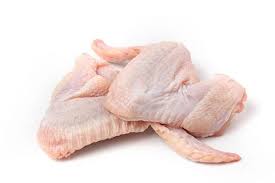
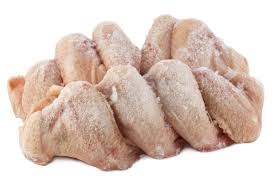
Wings
Thighs
Breast fillets
3. Boneless Frozen Chicken
Deboned meat, often used in fast food and restaurant industries.
4. Processed Frozen Chicken
Includes value-added products such as:
Nuggets
Patties
Strips
Marinated chicken
5. Organic or Free-Range Frozen Chicken
Derived from chickens raised under specific welfare or organic standards.
Production and Freezing Process
The production of frozen chicken involves several controlled stages:
1. Slaughtering and Processing
Chickens are humanely processed in hygienic facilities under strict food safety standards.
2. Cleaning and Dressing
Meat is cleaned, eviscerated, and prepared into whole or cut forms.
3. Chilling
Carcasses are rapidly cooled to reduce temperature and prevent bacterial growth.
4. Cutting and Portioning
Chicken is divided into specific cuts depending on market requirements.
5. Freezing
Meat is frozen using methods such as:
Blast freezing
Air freezing
Plate freezing
6. Packaging
Products are sealed in moisture-proof and airtight packaging to prevent freezer burn.
7. Cold Storage
Frozen chicken is stored at -18°C or below until distribution.
Physical and Quality Characteristics
High-quality frozen chicken should have:
Firm texture when frozen
Uniform color (pale pink to light white depending on cut)
No freezer burn or ice crystals on surface
Clean, well-trimmed cuts
Neutral odor when thawed
Properly sealed packaging
Tabulated Specification of Frozen Chicken
Specification
Details
Product Name
Frozen Chicken
Scientific Source
Gallus gallus domesticus
Product Type
Frozen poultry meat
Processing Method
Slaughtering, chilling, freezing
Freezing Temperature
-18°C or lower
Forms
Whole chicken, cuts, boneless, processed products
Shelf Life
6–12 months (proper storage conditions)
Storage Conditions
Deep freezer (-18°C or below)
Packaging
Vacuum-sealed bags, cartons, plastic wrapping
Texture
Firm when frozen, tender when cooked
Color
Light pink to white (varies by cut)
Traceability
Farm and processing facility tracking
Certification
Food safety and veterinary inspection standards
Uses of Frozen Chicken
Frozen chicken is widely used across multiple sectors:
1. Household Consumption
Used for daily cooking after thawing, including frying, grilling, and boiling.
2. Restaurants and Fast Food Chains
Essential for:
Fried chicken meals
Grilled chicken dishes
Sandwiches and burgers
Prepared meal combos
3. Food Processing Industry
Used in production of:
Chicken sausages
Nuggets and patties
Canned and packaged meals
Frozen ready-to-eat foods
4. Hospitality Industry
Hotels and catering services rely on frozen chicken for large-scale meal preparation.
5. Retail and Supermarkets
Sold as whole birds or portioned cuts for consumer convenience.
6. Export Trade
Frozen chicken is a major international trade commodity due to its long shelf life.
Nutritional Value of Frozen Chicken
Frozen chicken retains most of the nutritional value of fresh chicken, including:
High-quality animal protein
Essential amino acids
B vitamins (B3, B6, B12)
Minerals such as phosphorus and selenium
Low carbohydrate content
Freezing preserves nutrients effectively when properly handled.
Health Benefits
Frozen chicken provides several health advantages:
1. High Protein Source
Supports muscle growth and repair.
2. Convenient Nutrition
Easily stored and prepared when needed.
3. Low Fat Option
Skinless cuts provide lean protein.
4. Supports Immune Function
Rich in essential vitamins and minerals.
5. Food Security
Ensures availability of protein year-round.
Economic Importance
Frozen chicken plays a major role in the global food economy:
Supports large-scale poultry farming
Enables long-distance food distribution
Reduces food waste through preservation
Creates jobs in farming, processing, and logistics
Meets growing global demand for affordable protein
It is a key product in both domestic and international meat markets.
Environmental Considerations
Frozen chicken production impacts the environment in several ways:
Efficient feed conversion reduces resource use
Requires energy for freezing and cold storage
Poultry waste can be used as fertilizer
Modern systems aim to reduce carbon footprint through efficiency improvements
Storage and Handling Guidelines
Proper handling is essential to maintain quality:
Store at -18°C or lower
Avoid repeated thawing and refreezing
Use airtight packaging to prevent freezer burn
Thaw safely in refrigeration before cooking
Maintain hygiene during handling and preparation
Quality Control Standards
High-quality frozen chicken must meet strict requirements:
Veterinary inspection approval
No signs of spoilage or contamination
Proper freezing and cold chain maintenance
Accurate labeling and traceability
Compliance with food safety regulations
Clean, well-trimmed meat cuts
Conclusion
Frozen chicken is a vital global food commodity that provides convenient, affordable, and long-lasting access to high-quality poultry protein. Derived from domesticated chickens such as Gallus gallus domesticus, it undergoes controlled freezing processes that preserve freshness, safety, and nutritional value.
Its versatility across households, restaurants, food processing industries, and international trade makes it one of the most important meat products in the modern food supply chain. With proper storage and handling, frozen chicken offers a reliable solution for year-round protein availability and food security.
In essence, frozen chicken is not just preserved meat—it is a key pillar of global nutrition, agricultural efficiency, and modern food distribution systems.