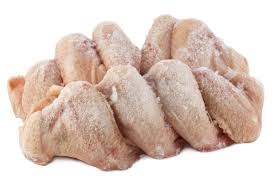
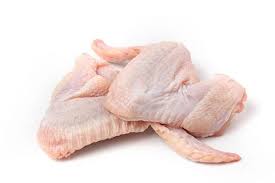
Chicken wings are a popular poultry product consisting of the wing sections of a chicken, widely consumed across the world as a flavorful, versatile, and highly marketable meat cut. Known for their tender texture and ability to absorb marinades and spices, chicken wings are especially popular in fast food, casual dining, and snack food industries.
They are enjoyed in many culinary styles including fried, grilled, roasted, barbecued, and sauced preparations. Their global popularity has made them a staple menu item in restaurants, sports bars, and home cooking.
Chicken wings are derived from domesticated chickens and form an important part of the poultry meat industry due to their high demand and value-added processing potential.
Definition of Chicken Wings
Chicken wings are the forelimb sections of a chicken, separated from the whole bird during processing. They typically consist of three main parts:
Drumette (upper wing section)
Wingette or flat (middle section)
Wing tip (lower section, often used for stock or broth)
They are obtained from domesticated chickens scientifically known as:
Gallus gallus domesticus
Chicken wings are commonly sold fresh, frozen, marinated, or fully cooked in various retail and foodservice formats.
Types of Chicken Wings
1. Whole Chicken Wings
Includes drumette, flat, and wing tip together in one piece.
2. Split Chicken Wings
Separated into drumettes and flats for easier cooking and serving.
3. Frozen Chicken Wings
Preserved at low temperatures for extended shelf life and export trade.
4. Fresh Chicken Wings
Chilled and sold for immediate consumption or short-term storage.
5. Marinated or Seasoned Wings
Pre-seasoned with spices, sauces, or marinades for ready-to-cook convenience.
6. Cooked Chicken Wings
Pre-cooked products used in fast food and ready-to-eat meals.
Production and Processing
Chicken wings are produced through standard poultry processing systems:
1. Poultry Rearing
Chickens are raised under controlled feeding and health management systems.
2. Slaughtering and Dressing
Birds are humanely processed in hygienic facilities.
3. Cutting and Separation
Wings are separated from the carcass and divided into parts if required.
4. Cleaning and Chilling
Wings are cleaned and rapidly cooled to preserve freshness.
5. Freezing or Packaging
Depending on the product type, wings are either frozen or packed fresh.
6. Storage and Distribution
Products are stored in cold chains and distributed to markets.
Physical and Quality Characteristics
High-quality chicken wings are characterized by:
Clean, uniform cuts
Light pink to pale white color
Firm texture (fresh or properly frozen)
Minimal fat excess
No bruising or discoloration
Fresh, neutral odor
Proper handling ensures premium appearance and taste.
Tabulated Specification of Chicken Wings
Specification
Details
Product Name
Chicken Wings
Scientific Source
Gallus gallus domesticus
Product Type
Poultry meat cut
Sections
Drumette, wingette (flat), wing tip
Forms
Fresh, frozen, marinated, cooked
Weight per wing
Approx. 80g – 150g (varies by bird size)
Shelf Life
2–7 days (fresh), 6–12 months (frozen)
Storage Conditions
Refrigerated or frozen (-18°C for frozen)
Packaging
Vacuum packs, trays, bulk cartons
Texture
Tender and juicy
Color
Pale pink to white
Traceability
Poultry farm and processing facility tracking
Certification
Veterinary and food safety approved
Uses of Chicken Wings
Chicken wings are widely used in various culinary and commercial applications:
1. Fast Food Industry
One of the most popular items in:
Fried chicken menus
Wing buckets and combos
Snack platters
2. Restaurants and Bars
Served as:
Appetizers
Bar snacks
Grilled or sauced dishes
3. Household Cooking
Prepared through:
Deep frying
Baking
Grilling
Air frying
4. Food Processing Industry
Used in:
Pre-cooked frozen wings
Spiced and marinated products
Ready-to-eat meals
5. Catering and Events
Popular for large gatherings, parties, and buffet services.
6. Export Market
Frozen chicken wings are a major international poultry export product.
Nutritional Value of Chicken Wings
Chicken wings provide important nutrients, including:
High-quality animal protein
Essential amino acids
B vitamins (especially B3, B6, B12)
Iron and phosphorus
Healthy fats (higher when skin is included)
Nutritional content varies depending on cooking method and whether skin is removed.
Health Benefits
Chicken wings offer several nutritional benefits when consumed appropriately:
1. Protein Source
Supports muscle growth and tissue repair.
2. Energy Supply
Provides fats and calories for energy.
3. Bone Health
Contains phosphorus and calcium-supporting nutrients.
4. Immune Support
B vitamins help maintain immune and nervous system function.
Economic Importance
Chicken wings are an important product in the poultry value chain:
High demand in global fast-food industry
Contribute to poultry farm profitability
Support meat processing and export industries
Reduce waste by utilizing whole bird cuts
Generate employment across supply chains
They are among the most commercially valuable chicken parts due to strong consumer demand.
Environmental Considerations
Chicken wing production is part of efficient poultry systems:
High feed conversion efficiency reduces resource use
Utilizes by-products of poultry processing
Requires cold chain energy for storage and transport
Can be integrated into sustainable livestock systems
Storage and Handling Guidelines
To maintain quality and safety:
Keep refrigerated (0–4°C for fresh wings)
Store frozen wings at -18°C or lower
Avoid repeated thawing and refreezing
Maintain hygiene during preparation
Cook thoroughly before consumption
Use airtight packaging to prevent contamination
Quality Control Standards
High-quality chicken wings must meet:
Clean and uniform cuts
No foul odor or discoloration
Proper cold chain maintenance
Veterinary inspection approval
Compliance with food safety regulations
Accurate labeling and traceability
Conclusion
Chicken wings are a highly popular and economically important poultry product derived from domesticated chickens such as Gallus gallus domesticus. Their versatility, rich flavor absorption, and suitability for multiple cooking methods make them a staple in global cuisine.
From fast-food chains to household kitchens and international export markets, chicken wings continue to grow in demand due to their affordability, convenience, and culinary appeal. They also play a significant role in supporting the poultry industry’s economic value chain.
In essence, chicken wings are not just a food item—they are a globally recognized culinary product that combines taste, nutrition, and commercial importance in modern food systems.