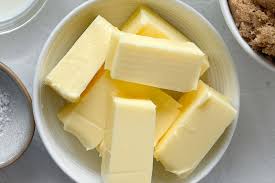
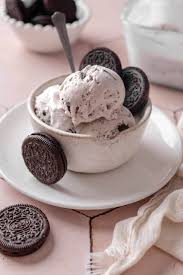
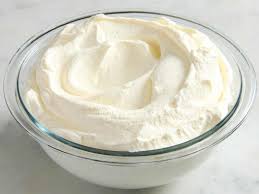
Within the global dairy processing landscape, cream serves as the foundational, lipid-rich fluid from which high-value dairy commodities like butter, ice cream, and specialized culinary emulsions are manufactured. While fresh fluid milk acts as a balanced nutritional baseline, cream represents the concentrated isolation of milkfat droplets suspended in a reduced volume of skim milk serum.
Historically skimmed by hand using gravity, modern cream production is a highly automated branch of centrifugal engineering. It allows the global dairy supply chain to split raw milk into two highly functional, distinct streams: low-fat proteins and energy-dense lipids.
As an industrial commodity, cream is highly dynamic. It must be carefully managed to balance fat concentration, structural stability, and microbial cleanliness. By using precise mechanical separation and thermal processing, dairies turn raw milk into a versatile, high-margin product. This ingredient gives commercial bakers, confectionery makers, and beverage manufacturers the precise fat levels needed to create stable foams, silky sauces, and rich, premium textures.
Defining Cream and Commercial Typologies
From a regulatory and food science perspective (governed by the FDA, Codex Alimentarius, and the European Food Safety Authority), cream is a fluid dairy product enriched with milkfat, obtained by the mechanical separation of raw or pasteurized milk.
To be legally sold as cream, the fluid must meet specific minimum fat baselines. The international dairy trade organizes cream into distinct commercial categories based on these lipid percentages, which directly dictate how the cream behaves in cooking and baking:
Half-and-Half: A light fluid blend of equal parts milk and cream, standardized to contain between 10.5% and 18% milkfat. It is primarily used as a texturizer in coffee and beverage lines, but lacks the fat density required to whip into a foam.
Light Cream (Single / Coffee Cream): Contains between 18% and 30% milkfat. It features a smooth, pourable body utilized in commercial soup bases, table condiments, and pan sauces.
Whipping Cream (Medium Cream): Standardized to contain between 30% and 36% milkfat. This grade possesses the exact structural balance needed to trap air bubbles, making it suitable for decorative pastry foams and mousses.
Heavy Cream (Heavy Whipping Cream): The premium standard for commercial baking, containing a minimum of 36% to 40% milkfat. It delivers maximum foam stability, a rich mouthfeel, and high resistance to curdling when heated or mixed with acids.
Double Cream: Highly favored in European and British markets, featuring an ultra-dense concentration of 48% to 50% milkfat. It is thick and spoonable straight from the bottle, used to add richness to luxury desserts.
Technical Specifications
To ensure fresh cream performs consistently in high-speed manufacturing lines, resists turning rancid, and satisfies food safety audits, it must meet strict physical and chemical parameters.
Specification Parameter
Targeted Industrial Baseline
Testing / Verification Method
Milkfat Concentration
Heavy Whipping Grade: 36.0%–40.0%
Babcock / Gerber Centrifugal Extraction
Total Titratable Acidity
0.10% to 0.13% (Expressed as lactic acid)
Sodium Hydroxide ($NaOH$) Titration
Freezing Point Baseline
-0.510°C to -0.530°C
Thermistor Cryoscope Depression Test
Standard Plate Count (SPC)
Less than $5,000 text{ CFU/mL}$ (Post-pasteurization)
Standard Nutrient Agar Plate Incubation
Alkaline Phosphatase (ALP)
Negative (Confirms successful pasteurization)
Fluorometric Enzymatic Assay Validation
Lipase Enzyme Activity
0% / Completely Deactivated
Colorimetric Synthetic Substrate Assay
Viscosity Index
40 to 80 cP at 4°C (Varies by fat class)
Brookfield Rotational Viscometer
Core Storage Temperature
Continuous 1°C to 4°C (34°F to 39°F)
Sealed Digital Transit Data Loggers
The Engineering and Physics of Cream Production
Transforming liquid milk into a high-fat cream requires harnessing the laws of centrifugal physics and understanding the structural mechanics of oil-in-water foams.
1. Mechanical Separation via Stokes’ Law
In raw milk, fat droplets float slowly to the surface over hours because fat is less dense than the water-based skim milk serum. In commercial processing plants, this slow separation is accelerated using an industrial centrifugal bowl separator.
The mechanics of this process are governed by Stokes’ Law, which determines how fast a particle settles or rises through a liquid based on gravity, particle size, and liquid thickness.
$$v = frac{2r^2(rho_p – rho_f)g}{9eta}$$
Where:
$v$ = separation velocity of the fat droplet
$r$ = radius of the fat droplet
$rho_p$ = density of the fat droplet (lipid phase)
$rho_f$ = density of the fluid serum (skim milk phase)
$g$ = acceleration due to gravity (replaced by centrifugal force $omega^2 R$ in mechanical separators)
$eta$ = dynamic viscosity of the skim milk serum
By spinning the raw milk at high speeds inside a cone-disc bowl, the separator amplifies the gravitational force ($g$) thousands of times over. The heavier skim milk is forced outward against the wall of the spinning bowl and exits through a lower tube.
Meanwhile, the lighter fat droplets are pushed inward toward the center spindle, rising to exit through an upper port as concentrated cream. By adjusting the flow valves, operators can precisely tune the fat content of the exiting cream from 10% up to 50% fat in seconds.
2. The Colloid Architecture of Whipped Foam
When heavy cream containing more than 30% fat is whipped, it transitions from a liquid into a stable, semi-solid foam. This transformation relies on a delicate balance of air, water, and fat.
As mechanical beaters whip air bubbles into the cold cream, the intense shearing force shatters the outer membranes of the fat droplets. This forces some of the liquid fat to spill out, making the droplet surfaces sticky and hydrophobic (water-fearing).
$$text{Liquid Heavy Cream} xrightarrow{text{Mechanical Shearing & Air Whipping}} text{Three-Dimensional Partial Fat Network Trapping Air}$$
These sticky, partially damaged fat droplets cluster together around the borders of the injected air bubbles. They form a three-dimensional, interlocking fat network that traps the air bubbles in place while holding the liquid serum inside its walls.
This structural grid is what gives whipped cream its firm shape and smooth texture. If the cream is whipped too long, this fat network collapses completely, forcing the air out and separating the mixture into solid chunks of butter and liquid buttermilk.
Industrial Processing and Manufacturing Flow
Manufacturing high-performance commercial cream requires a continuous, highly controlled production sequence.
1.Raw Milk Reception and Thermal Pre-Heating:Intake Gate.
Fresh raw milk is trucked to the plant, cleared of antibiotic residues, and run through plate heat exchangers to warm it to 50°C to 55°C. Warming the milk thins the liquid serum and liquefies the fat droplets, maximizing separation efficiency.
The warm milk enters the spinning disc separator. Centrifugal force pushes the heavy skim milk outward while pulling the light fat droplets inward, cleanly splitting the dairy into separate skim and heavy cream streams.
The separated cream is immediately heated to 75°C for 15 seconds (or 138°C for 2 seconds for Ultra-Pasteurized extended shelf-life grades). This intense heat destroys spoilage bacteria and deactivates natural lipase enzymes that would otherwise cause rapid lipid oxidation and rancid flavors.
4.Standardization and Cooling:Emulsion Tuning.
The hot cream is skimmed for quality and blended with precise amounts of skim milk to hit exact commercial fat targets (e.g., 36% for heavy whipping grade). It is then cooled down to 4°C using chilled water plates to protect the fat structure.
5.Crystallization and Stabilizer Blending:Crystal Setting.
The standardized cream is held inside insulated aging vats at 4°C for several hours. This extended cold rest allows the liquid fats inside the droplets to crystallize into a specific solid state, which is critical for achieving a stable foam during whipping. Food-grade hydrocolloids (like carrageenan) may be added to prevent cream separation during transport.
6.Sterile Bottling and Cold Chain Distribution:Aseptic Fill.
The aged cream is filled into light-blocking plastic bottles or paperboard cartons using automated, aseptic filling machinery. The sealed packages are moved directly into refrigerated warehouses at 2°C, ready for immediate delivery across regional grocery and bakery networks.
The Role of Temperature in Cream Quality
Maintaining a flawless, continuous cold chain is the single most important factor governing the quality and stability of fresh cream products.
If cream is allowed to warm up past 10°C during transport, the crystalline fat inside the droplets will melt back into a liquid state. This melting breaks down the structural stability of the droplets, causing them to clump together prematurely and float to the surface as a thick, tough plug of fat—a defect known as creaming.
To prevent this quality loss, commercial logistics lines utilize real-time temperature tracking sensors, ensuring the cream remains safely chilled between 1°C and 4°C from the processing plant all the way to the end user.
Conclusion
Cream represents an exceptional integration of centrifugal physics and lipid process engineering. By utilizing high-speed centrifugal separators and managing fat crystallization parameters, the dairy industry successfully isolates milk fats into a highly functional, multi-purpose liquid commodity.
Through a strictly monitored industrial pipeline that pairs precise thermal pasteurization with continuous cold chain discipline, cream can be safely distributed to global markets with minimal risk of spoilage. As commercial baking lines and luxury confectionery brands place high value on clean labels, stable whipping performance, and rich mouthfeels, cream will remain a primary anchor commodity driving agricultural value and supporting global culinary traditions.