The Global Crustacean Powerhouse: An Industrial Profile of Shrimp
Introduction
In the lexicon of global seafood, shrimp (and their larger cousins, prawns) represent one of the most high-value, culturally significant, and logistically complex commodities in international trade. As a decapodal crustacean, shrimp occupy a unique niche: they are simultaneously a staple of high-end gastronomy, a massive volume commodity in retail frozen aisles, and a primary engine of economic development for tropical nations.
The industrialization of shrimp is a marvel of modern agricultural engineering. The industry has shifted significantly from wild-capture oceanic trawling—which is ecologically expensive and fuel-intensive—to intensive, high-tech aquaculture. Today, the vast majority of globally consumed shrimp are farmed in controlled, biosecure ponds, allowing for a standardized product that can be sized, peeled, and deveined at speeds that would have been unimaginable just decades ago.
Defining the Product
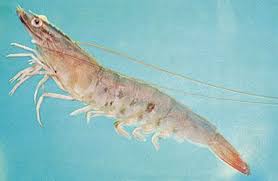
Shrimp are categorized primarily by size, species, and processing state. The two most commercially significant species are the Whiteleg Shrimp (Litopenaeus vannamei), which accounts for the bulk of global aquaculture, and the Black Tiger Prawn (Penaeus monodon), known for its larger size and distinctive shell patterns.
The industrial product lifecycle is categorized by four main processing stages:
HOSO (Head-On, Shell-On): The most premium, intact format. Used in high-end culinary applications where the head is required for stocks and sauces.
HLSO (Headless, Shell-On): The standard industrial format for domestic retail and foodservice; minimizes mass during transport while retaining the protective shell.
P&D (Peeled and Deveined): The convenience-led format. These are processed on automated lines that slit the back to remove the alimentary canal (the “vein”), significantly increasing the value-added component for retail consumers.
IQF (Individually Quick Frozen): The industry standard for cold-chain efficiency. Each shrimp is flash-frozen separately, allowing consumers to pull exact portions from a bag without thawing the entire lot.
Industrial Specification Matrix
Shrimp processing must account for extreme perishability. The lipid and protein structures of shrimp are highly sensitive to enzymatic breakdown, requiring precise thermal management.
Specification Parameter
Targeted Industrial Baseline
Verification Methodology
Moisture Content
$leq 80.0%$ (Non-treated)
Forced-Air Oven Drying
Crude Protein
Minimum $18.0% – 22.0%$
Kjeldahl Combustion Assay
Total Lipid (Fat)
$1.0% – 2.0%$
Soxhlet Lipid Extraction
Size Count (per lb)
16/20, 21/25, 31/40, etc.
Automated Optical Grading
Glazing Percentage
$5% – 10%$ (Protective ice)
Gravimetric Weighing
Total Volatile Base (TVB)
< 30 mg N/100g
Micro-Diffusion Analysis
Sulfites (Preservative)
< 100 ppm (Industry limit)
Monier-Williams Method
Storage Temperature
$leq -18^circtext{C}$ to $-25^circtext{C}$
Continuous Data Logging
Industrial Applications and Food Systems
Shrimp are among the most versatile proteins in the industrial food system, owing to their delicate texture and ability to adopt seasoning profiles.
Global QSR (Quick Service Restaurant) Standard: Shrimp are a flagship protein for international QSR chains. The industrial ability to produce perfectly uniform, breaded, or pre-cooked shrimp portions allows global chains to offer identical products in Tokyo, London, or New York.
Ready-to-Cook (RTC) Retail Innovation: The modern shrimp industry is driven by “Value-Added” processing. Retailers now offer shrimp pre-marinated in garlic-herb butter, skewered for direct grilling, or packed in specialized cooking bags that vent steam in the microwave, turning a raw ingredient into a 5-minute meal.
Functional Protein Ingredients: Shrimp waste (heads and shells) is the primary global source of Chitin and Chitosan. Through industrial deacetylation, these are converted into biocompatible polymers used in medical bandages, biodegradable food packaging, and specialized water-filtration membranes.
Institutional Catering: Frozen shrimp blocks provide a reliable, high-protein component for large-scale catering, valued for their quick cook-time—which allows for high-turnover service in high-density environments.
The Engineering of “Shell-Off” Efficiency
The industrial processing of shrimp involves some of the most specialized robotics in the food industry.
Automated Peeling and Deveining:
Historically, peeling shrimp was a manual labor-intensive task. Today, high-speed automated peeling machines use a series of mechanical “fingers” and pressurized water jets to remove the shell and slit the back to extract the vein at speeds of up to 100 shrimp per minute. This level of automation is what has allowed shrimp to transition from a “luxury holiday food” to an “everyday protein” in the global diet.
The “Glaze” Barrier:
Shrimp are naturally prone to “freezer burn,” where the moisture at the surface evaporates, leaving the meat dry and fibrous. To prevent this, the industry uses Ice Glazing. After the shrimp are frozen, they are passed through a fine mist of chilled water. This creates a thin, microscopic ice shell around the shrimp, acting as a hermetic barrier that protects the meat from oxygen exposure and dehydration during long-term storage in shipping containers.
Sustainability and The Blue Revolution
The shrimp industry is currently undergoing a massive sustainability transformation, driven by the need to protect the mangroves and coastal ecosystems where farms were historically established.
Biosecurity and RAS: Large-scale commercial farms are moving toward Recirculating Aquaculture Systems (RAS). By moving production into high-density, controlled indoor tanks, farmers eliminate the risk of disease outbreaks (like the devastating White Spot Syndrome Virus) and prevent any effluent from reaching wild waters.
Feed Innovation: The industry is moving away from the use of “trash fish” in feed. Modern shrimp diets are formulated with algae-based omega-3s, insect proteins, and refined plant materials. This “Zero-Fish-Meal” trend is revolutionizing the environmental profile of farmed shrimp.
Traceability and Certification: Through programs like the Aquaculture Stewardship Council (ASC), producers are subjected to annual third-party audits. Blockchain technology is now being used to track the exact farm of origin, verifying that no mangroves were cleared for farm development and that all labor standards are met.
Conclusion
Shrimp represent the ultimate marriage of global demand and high-tech food production. They have moved beyond their status as simple ocean delicacies to become an industrial pillar of the global diet. The journey of a shrimp—from a biosecure, indoor rearing facility to an automated peeling line and finally a vacuum-sealed retail pack—is a testament to the sophistication of the modern cold chain.
As we look toward the future of protein, the shrimp industry is at the center of the “blue revolution.” By combining innovative engineering, sustainable feed formulations, and radical transparency, the industry is ensuring that this beloved crustacean continues to provide a healthy, convenient, and environmentally responsible protein source for an expanding global population.