The Armored Commodity: An Industrial Profile of Crab
Introduction
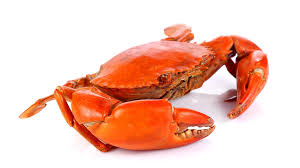
In the global seafood economy, crab (infraorder Brachyura) represents a pinnacle of luxury, culinary craftsmanship, and technical logistical demand. Unlike the standardized, soft-bodied commodities like tilapia or shrimp, crabs are highly distinct, segmented crustaceans that rely on a rigid exoskeleton for protection. This unique morphology makes the industrial processing of crab one of the most labor-intensive and mechanically complex challenges in the food industry.
From the cold-water giants like the Alaskan King and Snow Crab to the warm-water Blue Crab and Mud Crab, these species are sought after for their sweet, succulent, and delicate meat. The industrialization of crab is driven by the need to bridge the gap between a wild-harvested, seasonal resource and a global, high-value supply chain that demands purity, safety, and consistent portion control.
Defining the Product
Crabs are primarily wild-caught, though aquaculture of certain mud crab species is emerging. Because they are caught in diverse environments—from freezing sub-arctic waters to tropical mangrove estuaries—the industrial handling protocols are dictated by the species’ survival needs.
The commercial product is segmented into four primary industrial formats:
Live/Whole Cooked: The gold standard for high-end dining. Live shipping requires an unbroken cold-chain environment (air-freight) to keep the animal alive until the final point of consumption, ensuring maximum freshness.
Sectioned (Clusters): The limbs and shoulder sections are separated, cleaned, and flash-frozen. This is the primary format for King and Snow crab, allowing for high-efficiency portioning in upscale restaurants.
Picked Meat: The “value-added” format. This involves the manual or mechanical extraction of meat from the legs, claws, and body cavities. Grades include “Colossal,” “Lump,” “Backfin,” and “Special,” each commanding different market price points based on the size and purity of the muscle fibers.
Soft-Shell: A unique industrial segment where crabs are harvested during their molting phase (ecdysis). They are processed immediately after shedding their old shell, then flash-frozen while their new shell is still flexible, allowing the entire crab to be prepared and consumed.
Industrial Specification Matrix
Crab meat is exceptionally delicate. It is prone to moisture loss, enzymatic darkening, and microbial contamination if not managed under extreme temperature controls.
Specification Parameter
Targeted Industrial Baseline
Verification Methodology
Moisture Content
$78.0% – 82.0%$
Forced-Air Oven Drying
Crude Protein
Minimum $16.0% – 20.0%$
Kjeldahl Combustion Assay
Total Lipid (Fat)
$1.0% – 2.0%$
Soxhlet Lipid Extraction
pH (Freshness Indicator)
$7.2 – 7.6$
Potentiometric Probe
Total Volatile Base (TVB)
< 25 mg N/100g
Micro-Diffusion Analysis
Freezing Protocol
Blast frozen to $-40^circtext{C}$
Thermocouple Profiling
Storage Temperature
$leq -25^circtext{C}$
Continuous Data Logging
Industrial Applications and Food Systems
Crab meat occupies a rarefied space in the global food system, focusing on sensory experience rather than bulk caloric intake.
Premium Culinary Applications: Crab meat is a staple of high-end gastronomy, used in everything from traditional crab cakes to complex bisques and sushi preparations. Its texture—which is both firm enough to hold its shape and delicate enough to melt on the palate—is unmatched by other seafood.
The Global Retail “Gift” Segment: In many international markets, premium crab products (especially King Crab legs) are sold as high-end luxury items during holidays and festivals, driving massive demand for “gift-ready” vacuum-sealed packaging.
Ready-to-Eat (RTE) Convenience: The market for pre-picked, pasteurized crab meat has exploded. By using gentle heat pasteurization, processors can extend the shelf life of picked meat to several weeks, allowing retailers to offer fresh-quality crab in the refrigerated aisle, bypassing the need for freezing.
Flavor Profiles: Crab extract and concentrated crab stock are increasingly used as high-end “umami” enhancers in the flavoring industry, providing a deep, oceanic savory note to premium soups and sauces.
The Engineering of “Hand-Picked” Precision
Unlike shrimp or fish, which can be processed by high-speed machines, crab meat extraction remains a primarily manual labor process for the highest quality grades.
Manual vs. Mechanical Picking:
For “Lump” and “Colossal” meat, manual picking is non-negotiable. Trained workers use precise tools to extract the large, intact muscle segments from the body cavities and legs. Mechanical extraction (centrifugal drums) is used only for “Special” grade meat, which is used for fillings or soups, as the machinery tends to shred the muscle fibers.
Flash-Freezing and Cryogenic Glazing:
To maintain the texture of picked meat, it is often packed in vacuum-sealed cups and flash-frozen. For whole sections, the industry uses Cryogenic Spray Freezing (using liquid nitrogen). This process happens in seconds, locking the water molecules within the meat cells to prevent the “mushy” texture that occurs with slow, standard refrigeration.
Sustainability and The Wild-Capture Management
Crab fisheries are among the most strictly regulated in the world, largely because they are slow-growing and highly dependent on environmental variables.
Vessel Monitoring Systems (VMS): Industrial crab vessels are required to have GPS transponders that report their position in real-time. This allows regulators to prevent fishing in “nursery zones” or during critical molting seasons.
Pot-Based Harvest: The majority of industrial crab is harvested using static pots. This is inherently more sustainable than mobile-gear fishing (like trawling), as it is highly selective and causes zero damage to the benthic (seafloor) habitat.
“Bycatch” Mitigation: Pot designs now incorporate “escape rings,” which allow smaller, juvenile crabs and non-target species to exit the pot before it is hauled to the surface, maintaining the biodiversity of the ecosystem.
Traceability and Certification: Many industrial crab fisheries are certified by the Marine Stewardship Council (MSC). The “chain of custody” certification ensures that consumers can trace the crab back to a sustainably managed stock, ensuring the species will remain productive for future generations.
Conclusion
The crab industry represents the ultimate test of cold-chain logistics and manual precision. By bridging the gap between a fragile, wild-caught delicacy and a global, high-value commodity, the industry has created a supply chain that demands total temperature control and specialized handling at every stage.
As the industry moves forward, the focus is shifting toward even greater transparency and sustainability. With the rise of traceability technologies like blockchain, the implementation of more precise population biomass modeling, and the continuous improvement of cold-chain infrastructure, the global crab market remains a vital, high-value pillar of the seafood industry. Whether enjoyed in a simple, fresh presentation or as a highly refined ingredient, crab continues to be a symbol of quality, sustainability, and sensory delight in the global diet.