Supplier: sadleopard782 Phone: +656358636 Email: bohoca7057@epaynine.com Address: 6119 Moray Place New Plymouth, 75405 New Zealand Visit Supplier Store
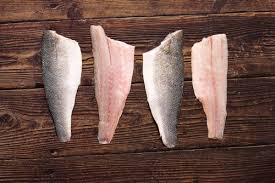
Fish fillets are boneless sections of fish flesh carefully cut away from the backbone and ribs of a fish. They are among the most popular seafood products globally because of their convenience, ease of preparation, and versatility in cooking. Fish fillets are widely consumed in households, restaurants, hotels, catering services, and food processing industries.
Unlike whole fish, fillets are processed to remove bones and sometimes skin, making them easier and safer to cook and eat. They are available in fresh, frozen, smoked, breaded, or marinated forms and are commonly used in a wide variety of cuisines and seafood dishes.
Fish fillets are highly valued for their nutritional benefits, including high-quality protein, omega-3 fatty acids, vitamins, and minerals, while also providing a clean and refined seafood eating experience.
Definition of Fish Fillets
Fish fillets are boneless cuts of fish meat obtained by slicing the flesh away from the fish skeleton, usually in elongated sections running parallel to the backbone.
Common fish species processed into fillets include:
Salmo salar Oreochromis niloticus Gadus morhua
Fillets may be sold with skin-on or skinless depending on consumer preference and culinary application.
Types of Fish Fillets
1. Fresh Fish Fillets
Chilled fillets sold for immediate cooking and short-term storage.
2. Frozen Fish Fillets
Fillets preserved through freezing for longer shelf life and export.
3. Skin-On Fillets
Fillets with the skin retained for flavor and texture enhancement.
4. Skinless Fillets
Fillets with the skin removed for convenience and smooth texture.
5. Breaded Fish Fillets
Fillets coated with batter or breadcrumbs for ready-to-cook products.
6. Smoked Fish Fillets
Fillets processed through smoking for flavor and preservation.
Fish Species Commonly Used for Fillets
Many commercial fish species are processed into fillets, including:
Salmon
Tilapia
Cod
Tuna
Catfish
Mackerel
Haddock
Pangasius
Different species provide varying textures, flavors, and fat content.
Filleting and Processing Procedure
Fish fillet production follows several key steps:
1. Fish Selection
Fresh, high-quality fish are chosen for processing.
2. Cleaning and Scaling
Fish are washed and scaled where necessary.
3. Gutting
Internal organs are removed hygienically.
4. Filleting
The flesh is carefully sliced from the backbone.
5. Deboning
Remaining pin bones are removed for consumer safety.
6. Skin Removal (Optional)
Skin may be removed depending on product type.
7. Chilling or Freezing
Fillets are preserved through refrigeration or freezing.
8. Packaging
Vacuum sealing or protective packaging maintains freshness.
Physical and Quality Characteristics
High-quality fish fillets typically exhibit:
Firm and moist texture
Clean appearance with smooth cuts
Natural species-specific color
Fresh seafood aroma
Absence of bones and blood spots
Uniform thickness and trimming
Tabulated Specification of Fish Fillets
Specification
Details
Product Name
Fish Fillets
Scientific Sources
Salmo salar, Oreochromis niloticus
Product Type
Processed seafood product
Processing Method
Filleting, deboning, trimming
Forms
Fresh, frozen, smoked, breaded
Texture
Firm, tender, moist
Flavor Profile
Mild to rich depending on species
Color
Species-specific natural coloration
Shelf Life
2–7 days (fresh), 6–12 months (frozen)
Storage Conditions
Refrigerated or frozen
Packaging
Vacuum packs, trays, sealed bags
Bone Content
Boneless or pin-bone removed
Traceability
Fishery or aquaculture source records
Uses of Fish Fillets
Fish fillets are widely used in many culinary applications:
1. Household Cooking
Prepared by:
Frying
Baking
Grilling
Steaming
Poaching
2. Restaurant and Hospitality Industry
Used in seafood platters, gourmet meals, and premium dishes.
3. Fast Food Industry
Used in:
Fish burgers
Fish sandwiches
Fried fish meals
4. Food Processing Industry
Processed into:
Fish fingers
Breaded seafood products
Frozen ready meals
5. Catering Services
Ideal for large-scale meal preparation due to convenience and uniformity.
Nutritional Value of Fish Fillets
Fish fillets are rich in essential nutrients such as:
High-quality protein
Omega-3 fatty acids
Vitamin D and B12
Selenium and iodine
Low saturated fat content
Nutritional content varies by fish species and processing method.
Health Benefits
Fish fillets provide several health advantages:
1. Heart Health
Omega-3 fatty acids support cardiovascular wellness.
2. Brain Function
Healthy fats aid cognitive and neurological health.
3. Muscle Development
Protein supports body repair and maintenance.
4. Weight Management
Lean fish fillets are suitable for balanced diets.
5. Bone Strength
Vitamin D supports calcium metabolism.
Economic Importance
Fish fillets are economically significant because they:
Add value to seafood processing industries
Increase export opportunities
Reduce preparation time for consumers
Support fisheries and aquaculture sectors
Create jobs in processing, packaging, and distribution
Fillets are among the most commercially traded seafood products worldwide.
Environmental Considerations
Fish fillet production involves sustainability concerns such as:
Responsible fishing practices
Sustainable aquaculture systems
Efficient use of fish resources
Reduction of seafood waste through processing innovations
Proper fishery management is essential for long-term seafood supply.
Storage and Handling Guidelines
To maintain quality and safety:
Keep refrigerated at 0–4°C (fresh fillets)
Store frozen fillets at -18°C or lower
Avoid repeated thawing and refreezing
Maintain hygienic handling conditions
Use airtight packaging to prevent dehydration
Cook thoroughly before consumption
Quality Control Standards
High-quality fish fillets must meet:
Fresh raw fish quality standards
Proper deboning and trimming
No unpleasant odor or discoloration
Hygienic processing conditions
Safe storage temperature maintenance
Food safety certification and traceability
Conclusion
Fish fillets are one of the most convenient and widely consumed seafood products in the global food industry. Produced from species such as Salmo salar, Oreochromis niloticus, and Gadus morhua, fish fillets provide excellent nutritional value, culinary versatility, and consumer convenience.
Their boneless structure, easy preparation, and adaptability to multiple cooking methods make them a preferred seafood option for households, restaurants, and food processors worldwide. With growing demand for healthy and convenient protein sources, fish fillets continue to play a major role in modern seafood markets.
In essence, fish fillets are not just processed seafood—they are a refined, nutritious, and highly versatile food product that supports global nutrition, culinary innovation, and seafood trade.