Supplier: sadleopard782 Phone: +656358636 Email: bohoca7057@epaynine.com Address: 6119 Moray Place New Plymouth, 75405 New Zealand Visit Supplier Store
Frozen fish is a preserved seafood product created by rapidly lowering the temperature of fresh fish to freezing levels in order to maintain freshness, nutritional value, texture, and flavor for extended periods. Freezing is one of the most effective and widely used preservation methods in the seafood industry because it slows microbial growth and enzymatic activity that cause spoilage.
Frozen fish is consumed globally and forms a major part of international seafood trade. It is widely used by households, restaurants, hotels, supermarkets, food processing industries, and export companies due to its convenience, long shelf life, and year-round availability.
The freezing process allows fish harvested from oceans, rivers, lakes, and aquaculture farms to be transported over long distances while preserving quality and safety.
Definition of Frozen Fish
Frozen fish refers to fish that has been preserved by reducing its internal temperature to freezing levels, typically -18°C or lower, in order to prevent spoilage and maintain product quality during storage and transportation.
Common fish species processed as frozen fish include:
Salmo salar Oreochromis niloticus Gadus morhua
Frozen fish may be sold whole, gutted, filleted, portioned, or processed into value-added seafood products.
Types of Frozen Fish
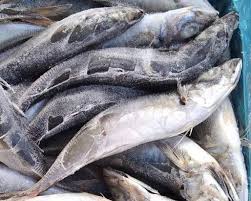
1. Whole Frozen Fish
Entire fish frozen after cleaning and preparation.
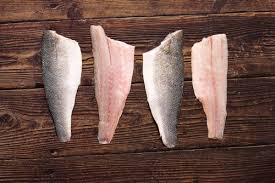
2. Frozen Fish Fillets
Boneless sections cut from the fish and frozen for convenience.
3. Frozen Fish Portions
Pre-cut serving sizes for retail and food service use.
4. Individually Quick Frozen (IQF) Fish
Pieces frozen separately to prevent sticking together.
5. Breaded or Processed Frozen Fish
Value-added products such as fish fingers, nuggets, or seasoned fillets.
6. Frozen Shellfish Products
Includes shrimp, mussels, squid, and other seafood preserved through freezing.
Fish Species Commonly Frozen
Many fish species are suitable for freezing:
Salmon
Tilapia
Cod
Tuna
Mackerel
Sardines
Catfish
Herring
Both wild-caught and farm-raised fish are commonly frozen for commercial distribution.
Freezing and Processing Methods
Frozen fish production involves several carefully controlled stages:
1. Fish Harvesting
Fish are caught or harvested from aquaculture systems.
2. Cleaning and Preparation
Fish are:
Washed
Gutted
Scaled
Filleted or portioned if necessary
3. Chilling
Fish are rapidly cooled before freezing.
4. Freezing
Common freezing methods include:
Blast freezing
Plate freezing
Individually quick freezing (IQF)
5. Glazing (Optional)
A thin protective ice layer may be applied to reduce dehydration.
6. Packaging
Fish are vacuum-packed or sealed in moisture-resistant packaging.
7. Cold Storage
Stored at -18°C or below until distribution.
Physical and Sensory Characteristics
High-quality frozen fish typically exhibits:
Firm texture when frozen
Natural color retention
Minimal ice crystal formation
Fresh odor upon thawing
Properly sealed packaging
No freezer burn or dehydration signs
Tabulated Specification of Frozen Fish
Specification
Details
Product Name
Frozen Fish
Scientific Sources
Salmo salar, Oreochromis niloticus
Product Type
Frozen seafood product
Preservation Method
Freezing
Freezing Temperature
-18°C or lower
Forms
Whole, fillet, portions, processed products
Texture
Firm when frozen, tender after cooking
Color
Species-dependent natural coloration
Shelf Life
6–12 months under proper storage
Storage Conditions
Deep freezer (-18°C or lower)
Packaging
Vacuum packs, cartons, plastic wrapping
Processing Methods
Blast freezing, IQF, plate freezing
Traceability
Fishery or aquaculture source records
Uses of Frozen Fish
Frozen fish is widely used across various sectors:
1. Household Consumption
Prepared through frying, grilling, steaming, baking, or boiling.
2. Restaurant and Hospitality Industry
Used in seafood restaurants, hotels, and catering services.
3. Food Processing Industry
Processed into:
Fish fingers
Fish burgers
Ready meals
Seafood mixes
4. Retail and Supermarkets
Sold as convenient consumer-ready seafood products.
5. Export Trade
Frozen fish is one of the largest internationally traded seafood commodities.
Nutritional Value of Frozen Fish
Frozen fish retains most nutrients found in fresh fish, including:
High-quality protein
Omega-3 fatty acids
Vitamin D and B12
Selenium and iodine
Healthy unsaturated fats
Proper freezing helps preserve nutritional quality for long periods.
Health Benefits
Frozen fish offers numerous health advantages:
1. Heart Health
Omega-3 fatty acids support cardiovascular function.
2. Brain Development
Healthy fats support cognitive and neurological health.
3. Muscle Growth
Protein supports tissue repair and body maintenance.
4. Bone Health
Vitamin D supports calcium absorption and bone strength.
5. Convenient Nutrition
Provides year-round access to seafood protein.
Economic Importance
Frozen fish contributes significantly to global economies:
Supports fisheries and aquaculture industries
Enables long-distance seafood trade
Reduces post-harvest losses
Creates jobs in processing and cold-chain logistics
Expands seafood availability to inland markets
It is one of the most commercially important seafood products worldwide.
Environmental Considerations
Frozen fish production involves several sustainability aspects:
Sustainable fishing and aquaculture practices are essential
Modern systems aim to improve energy efficiency and reduce environmental impact.
Storage and Handling Guidelines
To maintain quality and safety:
Store continuously at -18°C or lower
Avoid thawing and refreezing repeatedly
Use airtight packaging to prevent freezer burn
Thaw safely under refrigeration
Maintain hygiene during handling and preparation
Observe expiration and storage recommendations
Quality Control Standards
High-quality frozen fish must meet:
Fresh raw fish quality standards before freezing
Proper freezing temperature maintenance
No signs of spoilage or freezer burn
Hygienic processing and packaging conditions
Traceability and food safety certification
Compliance with seafood export regulations
Conclusion
Frozen fish is one of the most important preserved seafood products in the global food industry, providing convenient access to nutritious fish throughout the year. Produced from species such as Salmo salar, Oreochromis niloticus, and Gadus morhua, frozen fish combines long shelf life with excellent nutritional value and culinary versatility.
Its role in food security, international trade, and modern seafood distribution makes it a vital product for households, restaurants, and processing industries worldwide. Through proper freezing and cold-chain management, frozen fish maintains freshness, safety, and quality over extended periods.
In essence, frozen fish is not just preserved seafood—it is a reliable, nutritious, and globally traded food product that supports sustainable seafood consumption and modern food supply systems.