Supplier: crazygorilla407 Phone: +6487467536 Email: ripet34561@epaynine.com Address: 4814 Saint Aubyn Street Gisborne, 62851 New Zealand Visit Supplier Store
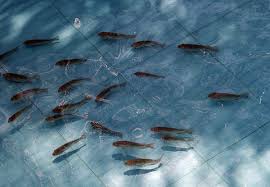
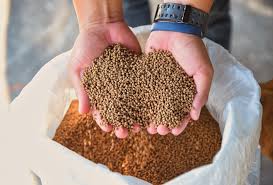
Aquaculture feed is a specially formulated nutritional product designed to meet the dietary requirements of farmed aquatic organisms such as fish, shrimp, prawns, crabs, and other aquatic species raised in aquaculture systems. It plays a vital role in modern fish farming by supporting healthy growth, efficient feed conversion, disease resistance, reproduction, and overall productivity.
As aquaculture continues to expand globally to meet rising seafood demand, high-quality aquaculture feed has become one of the most important components of successful aquatic farming operations. Feed quality directly influences production costs, animal health, growth performance, water quality, and farm profitability.
Aquaculture feeds are scientifically formulated using a combination of protein sources, carbohydrates, fats, vitamins, minerals, and functional additives tailored to the nutritional needs of specific aquatic species and growth stages.
Definition of Aquaculture Feed
Aquaculture feed refers to nutritionally balanced feed products manufactured specifically for farmed aquatic animals to promote growth, health, survival, and efficient production in aquaculture systems.
Common aquatic species fed with aquaculture feed include:
Balanced feed improves production efficiency and animal welfare.
Benefits of High-Quality Aquaculture Feed
1. Faster Growth Rates
Proper nutrition accelerates fish and shrimp growth.
2. Improved Feed Conversion
Efficient feed utilization reduces production costs.
3. Enhanced Disease Resistance
Balanced nutrients support immune function.
4. Better Water Quality
Stable feed reduces waste and water pollution.
5. Increased Farm Profitability
Efficient feed improves harvest yields and financial returns.
Economic Importance
Aquaculture feed is economically significant because it:
Supports global aquaculture expansion
Drives seafood production efficiency
Creates employment in feed manufacturing industries
Contributes to food security
Supports export-oriented aquaculture businesses
Feed is often the largest operational cost in aquaculture production systems.
Environmental Considerations
Modern aquaculture feed production emphasizes sustainability through:
Reduced dependence on wild fish resources
Use of plant and alternative proteins
Improved feed efficiency to reduce waste
Environmentally responsible ingredient sourcing
Lower environmental impact on aquatic ecosystems
Sustainable feed development is essential for the future of aquaculture.
Storage and Handling Guidelines
To maintain feed quality:
Store in cool, dry, ventilated conditions
Protect from moisture and direct sunlight
Prevent pest infestation
Avoid prolonged storage periods
Use proper stock rotation systems
Improper storage may reduce nutrient quality and feed safety.
Quality Control Standards
High-quality aquaculture feed must meet:
Nutritional formulation specifications
Pellet durability and water stability standards
Safe microbial and toxin levels
Proper ingredient traceability
Hygienic manufacturing practices
Compliance with feed safety regulations
Conclusion
Aquaculture feed is a fundamental component of modern aquatic farming systems, providing the balanced nutrition required for the healthy growth and productivity of farmed aquatic species. Formulated for species such as Oreochromis niloticus, Litopenaeus vannamei, and Salmo salar, aquaculture feed supports efficient seafood production and sustainable aquaculture development.
Its importance in improving growth performance, feed efficiency, and farm profitability makes it one of the most critical inputs in the global aquaculture industry. As demand for seafood continues to increase, innovative and sustainable aquaculture feed solutions will remain essential for future food security and responsible aquatic farming.
In essence, aquaculture feed is not just animal nutrition—it is a scientifically developed resource that drives modern aquaculture productivity, sustainability, and global seafood supply.