Supplier: crazygorilla407 Phone: +6487467536 Email: ripet34561@epaynine.com Address: 4814 Saint Aubyn Street Gisborne, 62851 New Zealand Visit Supplier Store
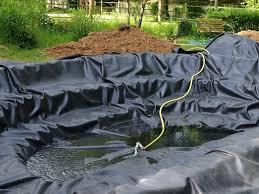
Pond liners are impermeable membrane materials used to retain water in ponds, reservoirs, aquaculture systems, irrigation structures, landscaping features, and other water containment applications. They are designed to prevent water seepage into the surrounding soil, thereby improving water conservation, maintaining pond stability, and enhancing operational efficiency.
Pond liners are widely used in aquaculture, agriculture, ornamental landscaping, wastewater management, and rainwater harvesting systems. In fish farming, pond liners help maintain controlled environments for aquatic species, improve water quality management, and reduce water losses caused by soil permeability.
Modern pond liners are manufactured using durable synthetic materials that offer resistance to ultraviolet radiation, punctures, chemicals, and environmental degradation. Their flexibility and long service life make them a preferred solution for both commercial and residential water containment projects.
Definition of Pond Liners
Pond liners are waterproof or water-resistant barrier materials installed at the base and sides of ponds or water containment structures to prevent leakage and maintain water retention.
Common materials used in pond liner production include:
HDPE Pond Liner EPDM Pond Liner PVC Pond Liner
These liners are available in different thicknesses, sizes, and material grades depending on intended application.
Types of Pond Liners
1. HDPE Pond Liners
Made from high-density polyethylene
Highly durable and chemical resistant
Common in large commercial aquaculture and reservoirs
2. EPDM Pond Liners
Flexible rubber-based liners
Excellent weather resistance
Popular for ornamental ponds and landscaping
3. PVC Pond Liners
Lightweight and flexible
Suitable for smaller ponds and water gardens
4. LDPE Pond Liners
Made from low-density polyethylene
Flexible and economical
5. Reinforced Polyethylene Liners
Enhanced strength and puncture resistance
6. Geomembrane Liners
Heavy-duty engineered liners for industrial and agricultural applications
Materials and Composition
Pond liners may be manufactured using:
High-density polyethylene (HDPE)
Low-density polyethylene (LDPE)
Polyvinyl chloride (PVC)
Synthetic rubber (EPDM)
Reinforced polymer composites
The material selected depends on durability, flexibility, environmental exposure, and budget requirements.
Manufacturing Process of Pond Liners
The production process generally includes:
1. Raw Material Selection
High-quality polymers or rubber compounds are selected.
2. Extrusion or Calendering
Materials are processed into sheets of uniform thickness.
3. Reinforcement (Optional)
Additional layers or mesh reinforcement may be added.
4. Surface Treatment
UV stabilizers and protective additives are incorporated.
5. Cutting and Rolling
Liners are cut into standardized or custom dimensions.
6. Quality Testing
Products undergo strength, flexibility, and leak-resistance testing.
7. Packaging and Distribution
Liners are rolled and packaged for transport and installation.
Physical and Performance Characteristics
High-quality pond liners generally exhibit:
Excellent waterproof properties
High tensile strength
UV and weather resistance
Flexibility for easy installation
Puncture and tear resistance
Long operational lifespan
Tabulated Specification of Pond Liners
Specification
Details
Product Name
Pond Liners
Common Materials
HDPE Pond Liner, EPDM Pond Liner
Product Type
Waterproof membrane / geomembrane
Main Applications
Aquaculture, irrigation, landscaping, reservoirs
Material Forms
Rolls, sheets, custom-cut liners
Thickness Range
Typically 0.3 mm – 3 mm or more
Waterproof Capability
High water retention efficiency
UV Resistance
Yes (depending on material type)
Chemical Resistance
Moderate to high depending on material
Flexibility
Material-dependent
Service Life
Several years to decades
Storage Conditions
Dry, shaded environment
Packaging
Rolled bundles or custom packaging
Uses of Pond Liners
Pond liners are used in various industries and applications:
1. Aquaculture and Fish Farming
Used in:
Fish ponds
Shrimp farms
Hatcheries
Recirculating aquaculture systems
They help control water quality and reduce seepage.
2. Agricultural Irrigation
Used in irrigation reservoirs and water storage systems.
3. Landscaping and Water Gardens
Installed in decorative ponds, waterfalls, and fountains.
4. Rainwater Harvesting Systems
Used for water collection and storage.
5. Wastewater and Industrial Applications
Used in containment ponds and waste management systems.
Benefits of Pond Liners
1. Water Conservation
Reduces water loss caused by seepage.
2. Improved Aquaculture Management
Supports controlled aquatic environments and biosecurity.
3. Reduced Maintenance
Minimizes erosion and pond structural damage.
4. Long-Term Durability
Modern liners provide extended service life.
5. Flexible Installation
Can be adapted to various pond sizes and shapes.
Economic Importance
Pond liners contribute significantly to several sectors by:
Improving aquaculture productivity
Supporting efficient irrigation systems
Reducing water management costs
Enhancing agricultural sustainability
Creating opportunities in construction and environmental engineering industries
Their use is increasing globally due to growing water conservation needs.
Environmental Considerations
Responsible use of pond liners involves:
Selection of durable and recyclable materials
Proper disposal or recycling after service life
Reduction of water wastage
Improved environmental control in aquaculture systems
Modern manufacturers increasingly focus on environmentally sustainable materials and production methods.
Installation and Maintenance Guidelines
To maximize performance:
Prepare smooth pond surfaces before installation
Remove sharp objects and debris
Use protective underlays where necessary
Secure liner edges properly
Inspect regularly for punctures or damage
Avoid excessive mechanical stress on liners
Proper installation greatly improves durability and effectiveness.
Quality Control Standards
High-quality pond liners must meet:
Waterproof integrity standards
Tensile strength and flexibility requirements
UV and weather resistance specifications
Puncture resistance testing
Safe manufacturing and material quality standards
Dimensional accuracy and consistency
Conclusion
Pond liners are essential water containment materials widely used in aquaculture, agriculture, landscaping, and industrial water management systems. Manufactured from materials such as HDPE Pond Liner, EPDM Pond Liner, and PVC Pond Liner, pond liners provide reliable waterproofing, durability, and water conservation benefits.
Their ability to reduce seepage, improve operational efficiency, and support sustainable water management makes them a valuable solution in modern infrastructure and aquaculture systems. As demand for efficient water conservation technologies continues to grow, pond liners remain an important component of environmental and agricultural development.
In essence, pond liners are not just waterproof barriers—they are durable and efficient water management solutions that support aquaculture productivity, environmental sustainability, and long-term resource conservation.