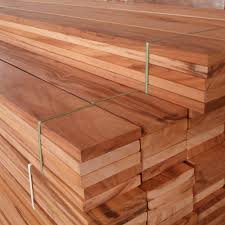
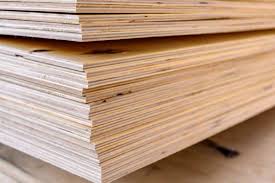
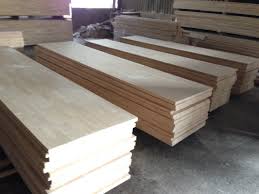
Softwood planks are widely used timber products manufactured from coniferous tree species and processed into flat, rectangular boards for construction, furniture production, packaging, interior decoration, and general woodworking applications. They are among the most commonly used timber materials in the world due to their availability, affordability, ease of processing, and suitability for both structural and non-structural uses.
Softwood planks are known for their lightweight nature, straight grain patterns, and good workability. Unlike hardwoods, softwoods generally grow faster, making them a more renewable and economically accessible timber resource. This makes softwood planks a key material in modern construction industries, especially for framing, roofing, paneling, and temporary structural works.
Produced from sustainably managed forests and plantations, softwood planks are available in different grades, thicknesses, lengths, and treatment levels depending on their intended application. Their adaptability and cost-effectiveness make them essential in both developed and developing construction markets.
Definition of Softwood Planks
Softwood planks are sawn timber boards produced from gymnosperm (coniferous) trees and processed into flat, elongated wooden sections used for construction, carpentry, and manufacturing purposes.
Common tree species used in softwood plank production include:
Pinus radiata Picea abies Abies alba
These species are widely cultivated in managed plantations due to their fast growth rate and high yield of usable timber.
Types of Softwood Planks
Softwood planks are classified based on species, treatment, and intended use.
1. Structural Softwood Planks
Used in building frameworks and load-bearing structures
Graded for strength and stability
Common in residential and commercial construction
2. Treated Softwood Planks
Chemically treated to resist termites, fungi, and moisture
Suitable for outdoor applications such as decking and fencing
3. Kiln-Dried Softwood Planks
Dried in controlled environments to reduce moisture content
Provides improved stability and reduced warping
4. Rough-Sawn Softwood Planks
Minimal processing after sawing
Used in construction and temporary structures
5. Planed Softwood Planks
Smooth surface finish for furniture and interior use
Suitable for decorative applications
6. Finger-Jointed Softwood Planks
Manufactured by joining shorter pieces of timber
Provides cost-effective and stable long-length boards
Physical Characteristics of Softwood Planks
Softwood planks generally exhibit the following features:
Light color ranging from pale yellow to light brown
Straight and uniform grain structure
Lightweight to medium density
Presence of knots depending on grade
Easy cutting, shaping, and finishing properties
Moderate natural durability (improved with treatment)
Because of these properties, softwood planks are highly adaptable to a wide range of uses.
Production and Processing Procedure
The manufacturing of softwood planks involves several stages:
1. Forest Cultivation and Management
Softwood trees are grown in managed plantations for sustainable timber supply.
2. Harvesting
Mature trees are selectively felled using forestry equipment.
3. Log Transportation
Logs are transported to sawmills for processing.
4. Debarking and Cutting
Bark is removed and logs are cut into manageable lengths.
5. Sawing
Logs are processed into planks, boards, and beams.
6. Drying
Timber is air-dried or kiln-dried to reduce moisture content and improve stability.
7. Treatment (Optional)
Some planks are pressure-treated for enhanced durability.
8. Finishing and Grading
Planks are smoothed, sorted, and graded based on quality and application.
Tabulated Specification of Softwood Planks
Specification
Details
Product Name
Softwood Planks
Common Species
Pinus radiata, Picea abies
Product Type
Sawn softwood timber boards
Wood Color
Pale yellow to light brown
Grain Pattern
Straight and uniform
Texture
Fine to medium
Density
Light to moderate
Processing Forms
Boards, planks, beams
Surface Finish
Rough, planed, kiln-dried, treated
Durability
Moderate; improved with treatment
Workability
Excellent (easy to cut, nail, and shape)
Main Applications
Construction, furniture, packaging, interior work
Storage Conditions
Dry, ventilated timber storage
Packaging
Bundled stacks or palletized timber
Traceability
Forestry production and certification records
Uses of Softwood Planks
Softwood planks are used in a wide range of industries and applications:
1. Construction Industry
Softwood planks are extensively used in building structures such as:
Roof framing
Wall studs
Floor joists
Temporary scaffolding
Structural supports
2. Furniture Manufacturing
Used in producing:
Beds
Chairs
Cabinets
Shelving units
Lightweight furniture
Softwood is especially popular for budget-friendly furniture production.
3. Interior Decoration
Applied in:
Wall paneling
Ceiling structures
Decorative trims
Interior framing
4. Packaging Industry
Softwood planks are essential for:
Wooden crates
Pallets
Shipping boxes
Industrial packaging
5. Outdoor Applications
Treated softwood is used for:
Fencing
Garden sheds
Decking
Pergolas
Outdoor furniture
Advantages of Softwood Planks
1. Cost-Effective
Softwood is generally more affordable than hardwood.
2. Fast Growth and Renewability
Softwood species grow quickly, making them highly sustainable.
3. Easy Workability
Can be easily cut, nailed, drilled, and shaped.
4. Lightweight Nature
Simplifies transportation and installation.
5. Wide Availability
Readily available in global timber markets.
6. Adaptability
Suitable for structural, decorative, and industrial uses.
Economic Importance
Softwood planks play a major role in global economies by:
Supporting large-scale construction industries
Providing raw materials for housing and infrastructure development
Creating employment in forestry, sawmilling, and manufacturing sectors
Softwood remains the backbone of modern construction timber supply worldwide.
Environmental Considerations
Sustainable softwood production involves:
Plantation forestry management
Reforestation and afforestation programs
Certified sustainable harvesting practices
Efficient use of timber resources
Reduced environmental impact compared to slow-growing hardwoods
Softwood plantations help reduce pressure on natural forests.
Storage and Handling Guidelines
Proper handling ensures timber quality:
Store in dry, covered, and ventilated areas
Avoid direct ground contact
Stack evenly to prevent warping or bending
Protect from rain and excessive humidity
Inspect regularly for pests or fungal growth
Good storage practices extend product lifespan.
Quality Control Standards
High-quality softwood planks must meet:
Moisture content regulations
Dimensional accuracy standards
Strength grading requirements
Treatment compliance (for outdoor use)
Sustainable sourcing certification
Export and construction-grade specifications
Conclusion
Softwood planks are essential timber products widely used in construction, furniture manufacturing, packaging, and interior design. Produced from fast-growing coniferous species such as Pinus radiata, Picea abies, and Abies alba, softwood planks offer a practical combination of affordability, versatility, and ease of use.
Their lightweight structure, renewable sourcing, and adaptability make them one of the most important materials in global timber industries. As sustainable forestry continues to expand, softwood planks remain a reliable and environmentally responsible choice for modern construction and manufacturing needs.
In essence, softwood planks are not just basic timber boards—they are foundational building materials that support global infrastructure, housing development, packaging systems, and sustainable forestry practices worldwide.