Gold is a precious yellow metallic element highly valued for its rarity, beauty, durability, and wide industrial and financial applications. It has been used by human civilizations for thousands of years as currency, jewelry, investment storage, and a symbol of wealth and prestige.
Today, gold plays an important role not only in global financial markets but also in electronics, medicine, aerospace, and industrial manufacturing due to its excellent conductivity, corrosion resistance, and stability.
Definition of Gold
Gold is a naturally occurring chemical element with the symbol Au (from Latin Aurum) and atomic number 79. It is a dense, soft, and malleable metal known for its resistance to corrosion and oxidation.
It is typically found in nature in:
Quartz veins
Alluvial deposits (river sediments)
Rock formations containing gold ore
Types of Gold Products
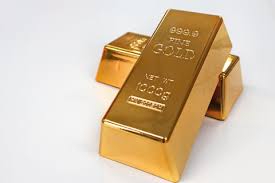
1. Gold Bullion
Bars or ingots of high purity gold
Used for investment and reserves
Commonly 99.5%–99.99% pure
2. Gold Coins
Minted by governments or private mints
Used for investment and collection
3. Jewelry Gold
Gold mixed with alloys for strength
Used in rings, necklaces, bracelets, etc.
Common purities: 18K, 22K
4. Industrial Gold
Used in electronics and manufacturing
Found in thin films and components
5. Digital/Gold Investment Products
Gold ETFs (exchange-traded funds)
Digital gold platforms
Physical and Chemical Characteristics of Gold
Gold is known for:
Bright yellow metallic color
High density and weight
Excellent malleability and ductility
Non-reactive (does not rust or tarnish)
High electrical and thermal conductivity
Melting point: 1,064°C
Resistant to acids (except aqua regia)
These properties make gold highly valuable in both decorative and technical applications.
Extraction and Processing of Gold
1. Mining
Gold is extracted from underground mines or alluvial deposits using mechanical and chemical methods.
2. Crushing and Grinding
Ore is crushed into fine particles to release gold particles.
3. Concentration
Gold is separated using gravity methods or flotation.
4. Chemical Extraction
Processes such as cyanidation are used to dissolve and recover gold.
5. Refining
Gold is purified to high levels (up to 99.99%).
6. Casting or Minting
Refined gold is formed into bars, coins, or industrial shapes.
Uses of Gold
1. Jewelry and Ornamentation
Rings, necklaces, earrings, and luxury items
Symbol of wealth and cultural significance
2. Investment and Wealth Storage
Gold bars and coins as financial assets
Hedge against inflation and currency instability
3. Electronics Industry
Used in smartphones, computers, and circuit boards
Provides reliable conductivity
4. Medical Applications
Used in dental work and medical devices
Certain gold compounds used in treatments
5. Aerospace Industry
Used in spacecraft components
Protects against heat and radiation
6. Central Bank Reserves
Stored as national wealth reserves
Advantages of Gold
1. High Value and Demand
Globally recognized as a premium asset.
2. Corrosion Resistance
Does not rust or degrade over time.
3. High Liquidity
Easily bought and sold worldwide.
4. Durability
Maintains appearance and quality for centuries.
5. Versatile Applications
Used in both luxury and industrial sectors.
Economic Importance
Gold plays a critical role in the global economy by:
Supporting international financial systems
Acting as a reserve asset for central banks
Influencing global currency markets
Driving mining and export revenues
Creating employment in mining and refining industries
It is one of the most important commodities in global trade.
Environmental Considerations
Gold mining can have environmental impacts such as:
Land degradation and deforestation
Water pollution from chemical processing
Energy-intensive extraction processes
However, improvements such as:
Responsible mining practices
Recycling of electronic waste
Reduced chemical usage
help minimize environmental damage.
Storage and Handling Guidelines
To maintain gold quality:
Store in secure, locked facilities (vaults or safes)
Avoid exposure to theft or unauthorized handling
Keep bullion in protective packaging
Maintain proper documentation and certification
Handle with care to avoid scratches in jewelry form
Gold does not degrade, but security is essential.
Quality Control Standards
Gold quality is measured by:
Purity level (karats or fineness)
Hallmark certification
Weight accuracy
Refining standards (e.g., 999.9 purity for bullion)
Authenticity verification (assay testing)
Conclusion
Gold is a highly valuable precious metal with unique physical and chemical properties that make it essential in investment, jewelry, and industrial applications. From bullion bars and coins to advanced electronics and aerospace components, gold remains a cornerstone of global economic systems.
Its rarity, durability, and universal acceptance ensure that gold continues to hold its position as one of the most important and trusted assets in human history.
In essence, gold is not just a metal—it is a global store of value, a symbol of wealth, and a critical material in modern technology and finance.