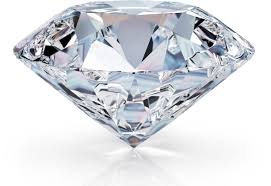
Diamonds are one of the most valuable and sought-after gemstones in the world, known for their exceptional brilliance, hardness, and rarity. Formed deep within the Earth under extreme heat and pressure, diamonds are composed entirely of carbon atoms arranged in a crystal lattice structure.
They are widely used in jewelry, industrial cutting tools, precision instruments, and high-tech applications. Beyond their aesthetic value, diamonds are also essential in industries that require extreme hardness and durability.
Definition of Diamonds
Diamonds are naturally occurring crystalline forms of carbon, formed under high-pressure and high-temperature conditions deep within the Earth’s mantle over millions to billions of years.
They are typically mined from kimberlite and lamproite rock formations and alluvial deposits.
Types of Diamonds
1. Natural Diamonds
Formed naturally over geological time
Mined from the Earth
Used in jewelry and industrial applications
2. Synthetic (Lab-Grown) Diamonds
Created in controlled laboratory environments
Chemically and physically identical to natural diamonds
Used in jewelry and industrial tools
3. Industrial Diamonds
Lower-grade or synthetic diamonds
Used for cutting, drilling, and grinding
4. Fancy Colored Diamonds
Diamonds with natural colors such as blue, pink, yellow, or green
Extremely rare and highly valuable
5. Rough Diamonds
Uncut, unpolished diamonds in natural form
Processed into gemstones or industrial materials
Physical Characteristics of Diamonds
Diamonds are known for:
Extreme hardness (hardest natural material on Earth)
High refractive index (brilliant sparkle)
Strong light dispersion (fire effect)
High thermal conductivity
Transparent to translucent appearance
Carbon-based crystal structure
Melting point above 3500°C
These properties make diamonds both visually stunning and industrially valuable.
Formation and Mining Process
1. Formation
Diamonds form 140–200 km beneath the Earth’s surface under intense pressure and temperature.
2. Transport to Surface
Volcanic eruptions bring diamonds closer to the Earth’s surface through kimberlite pipes.
3. Exploration
Geological surveys identify diamond-rich regions.
4. Mining Methods
Open-pit mining
Underground mining
Alluvial mining (river deposits)
5. Sorting and Processing
Raw diamonds are separated from rock and graded by quality.
6. Cutting and Polishing
Diamonds are shaped to maximize brilliance and value.
The 4Cs of Diamond Quality
1. Cut
Determines brilliance and sparkle
Includes round, princess, oval, emerald cuts
2. Color
Graded from colorless (highest value) to yellow/brown tones
3. Clarity
Measures internal flaws (inclusions) and external blemishes
4. Carat Weight
Measures diamond size and weight
Uses of Diamonds
1. Jewelry Industry
Rings, necklaces, earrings, bracelets
Engagement and luxury jewelry
2. Industrial Applications
Cutting, grinding, and drilling tools
Used in construction and mining equipment
3. Electronics and Technology
Heat sinks in high-performance electronics
Precision optical devices
4. Scientific Research
High-pressure experiments
Advanced physics and material studies
5. Medical Equipment
Surgical tools requiring precision cutting
Dental instruments
Advantages of Diamonds
1. Extreme Hardness
Ideal for cutting and drilling tough materials.
2. High Optical Brilliance
Unique sparkle and light reflection.
3. Thermal Conductivity
Excellent heat dissipation properties.
4. Durability
Resistant to wear and scratches.
5. High Market Value
Strong investment and luxury asset.
Economic Importance
Diamonds contribute significantly to global economies by:
Supporting mining industries and exports
Driving luxury jewelry markets
Creating employment in cutting and polishing sectors
Supporting international trade and investment markets
Contributing to national revenue in producing countries
They are a major commodity in the global luxury economy.
Environmental Considerations
Diamond mining can have environmental impacts such as:
Diamonds are extraordinary gemstones composed of pure carbon, formed under extreme natural conditions over millions of years. Known for their unmatched hardness, brilliance, and rarity, they hold immense value in both jewelry and industrial applications.
From luxury engagement rings to precision cutting tools, diamonds serve a wide range of purposes across global markets. They are mined from deep Earth sources and also produced in laboratories, ensuring a growing supply for modern industries.
In essence, diamonds are not just gemstones—they are symbols of beauty, strength, and enduring value, playing a vital role in both luxury economies and advanced technological applications.