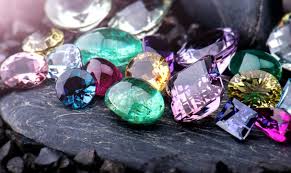
Gemstones are naturally occurring or synthetic minerals, rocks, or organic materials that are cut, polished, and used for jewelry, decoration, and investment purposes. They are valued for their beauty, rarity, durability, and symbolic meanings.
For thousands of years, gemstones have been used in crowns, ornaments, religious artifacts, and trade. Today, they remain central to the jewelry industry and are also used in healing traditions, industrial applications, and luxury design.
Definition of Gemstones
Gemstones are rare or attractive minerals (and sometimes organic materials) that have been selected, cut, and polished for use in jewelry or ornamental purposes due to their aesthetic appeal and physical durability.
They are typically formed in the Earth’s crust through geological processes involving heat, pressure, and mineral crystallization.
Types of Gemstones
1. Precious Gemstones
These are the rarest and most valuable stones:
Diamond
Ruby
Sapphire
Emerald
2. Semi-Precious Gemstones
More abundant but still highly valued:
Amethyst
Topaz
Garnet
Aquamarine
Tourmaline
3. Organic Gemstones
Formed from biological processes:
Pearl (from oysters)
Amber (fossilized tree resin)
Coral
4. Synthetic Gemstones
Lab-created stones identical to natural ones
Used in jewelry and industrial applications
5. Tumbled and Cabochon Stones
Polished stones without faceting
Used for beads, ornaments, and decorative items
Physical Characteristics of Gemstones
Gemstones are defined by several key properties:
Color: One of the most important value factors
Hardness: Resistance to scratching (measured by Mohs scale)
Clarity: Presence or absence of internal inclusions
Luster: How light reflects from the surface
Cut: Shape and quality of faceting
Carat weight: Size and mass of the stone
Transparency: Ranges from transparent to opaque
These properties determine both beauty and market value.
Formation of Gemstones
Gemstones form through different geological and biological processes:
1. Magmatic Formation
Crystallization from molten magma
Example: Diamonds, olivine
2. Metamorphic Formation
Formed under heat and pressure
Example: Ruby, sapphire
3. Sedimentary Formation
Formed through deposition processes
Example: Opal, some quartz varieties
4. Organic Formation
Produced by living organisms
Example: Pearl, amber, coral
Cutting and Processing of Gemstones
1. Mining or Collection
Gemstones are extracted from mines, riverbeds, or organic sources.
2. Sorting and Grading
Stones are evaluated based on color, clarity, and size.
3. Cutting (Faceting)
Rough stones are shaped to maximize brilliance.
4. Polishing
Surfaces are smoothed to enhance shine and beauty.
5. Certification
Gemstones may be certified for authenticity and quality.
6. Jewelry Setting
Finished stones are mounted into rings, necklaces, earrings, and other items.
Major Gemstone Examples
Diamond – brilliance and hardness
Ruby – deep red color symbolizing passion
Sapphire – blue elegance and durability
Emerald – green stone associated with luxury
Amethyst – purple quartz variety
Topaz – golden to blue transparent stone
Uses of Gemstones
1. Jewelry Industry
Rings, necklaces, bracelets, earrings
Engagement and luxury jewelry
2. Investment
High-value gemstones used as wealth storage
Rare stones appreciate over time
3. Decorative Uses
Luxury interior design
Artifacts and ornaments
4. Industrial Applications
Diamonds used in cutting and drilling tools
Precision instruments
5. Cultural and Spiritual Uses
Believed to have symbolic or healing properties in some traditions
Used in rituals and astrology
Advantages of Gemstones
1. High Value and Rarity
Some gemstones are extremely rare and valuable.
2. Durability
Many gemstones are resistant to wear and scratching.
3. Aesthetic Appeal
Unique colors and brilliance enhance beauty.
4. Investment Potential
Certain gemstones increase in value over time.
5. Cultural Significance
Used in traditions, ceremonies, and symbolism worldwide.
Economic Importance
Gemstones contribute significantly to global economies by:
Supporting mining industries and exports
Driving luxury jewelry markets
Creating jobs in cutting and polishing sectors
Supporting international trade and tourism
Contributing to foreign exchange earnings in producing countries
They are an important part of the global luxury goods market.
Environmental Considerations
Gemstone mining may impact the environment through:
Land disturbance and excavation
Water usage and pollution risks
Habitat disruption
However, improvements include:
Responsible sourcing and certification systems
Recycling of gemstones
Lab-grown alternatives reducing mining pressure
Storage and Handling Guidelines
To preserve gemstone quality:
Store separately to avoid scratching
Keep in padded jewelry boxes
Avoid harsh chemicals and extreme heat
Clean using appropriate methods per stone type
Handle carefully during setting or transport
Quality Control Standards
Gemstones are evaluated based on:
Color grading systems
Clarity and inclusion analysis
Cut precision and symmetry
Carat weight measurement
Certification from gemological institutes
Conclusion
Gemstones are natural or synthetic mineral materials prized for their beauty, rarity, and durability. From diamonds, rubies, and sapphires to pearls and emeralds, gemstones play a vital role in jewelry, investment, and cultural traditions.
Formed through complex geological and biological processes, they are mined, cut, and polished into valuable items used across global luxury markets.
In essence, gemstones are not just decorative stones—they are timeless symbols of beauty, wealth, and human craftsmanship that continue to hold immense cultural and economic value worldwide.