Silver is a precious metallic element widely known for its brilliant white luster, high conductivity, and versatile industrial and decorative applications. It has been used for thousands of years in jewelry, currency, ornaments, and trade, and today it remains an important material in electronics, medicine, energy systems, and industrial manufacturing.
Although less expensive than gold, silver is highly valuable due to its unique physical and chemical properties, making it essential in both luxury markets and modern technology.
Definition of Silver
Silver is a chemical element with the symbol Ag (from Latin Argentum) and atomic number 47. It is a soft, white, lustrous metal that occurs naturally in ores and sometimes in pure (native) form.
Silver is typically extracted from minerals such as:
Argentite (Ag₂S)
Galena (lead ore containing silver)
Chlorargyrite (silver chloride)
Types of Silver Products
1. Pure Silver (Fine Silver)
99.9% purity (999 silver)
Used in investment and industrial applications
2. Sterling Silver
92.5% silver and 7.5% alloy (usually copper)
Common in jewelry and household items
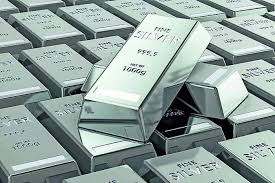
3. Silver Bullion
Bars and ingots for investment
High purity silver stored as wealth
4. Silver Coins
Minted for investment or collection
Produced by governments and private mints
5. Industrial Silver
Used in electronics, solar panels, and medical devices
Physical and Chemical Characteristics of Silver
Silver is known for:
Bright white metallic shine
Highest electrical conductivity of all metals
Excellent thermal conductivity
Soft and highly malleable
Resistant to corrosion but can tarnish (forms silver sulfide)
High reflectivity of light
Melting point: 961.8°C
These properties make silver highly useful in both aesthetic and technical applications.
Extraction and Processing of Silver
1. Mining
Silver is extracted from underground and open-pit mines, often as a by-product of lead, zinc, or copper mining.
2. Crushing and Grinding
Ores are crushed into fine particles to release silver minerals.
3. Concentration
Flotation or chemical processes are used to separate silver-bearing materials.
4. Smelting
Concentrated ore is heated to extract metallic silver.
5. Refining
Silver is purified to high levels (up to 99.9% or more).
6. Casting
Refined silver is formed into bars, coins, or industrial shapes.
Uses of Silver
1. Jewelry and Ornaments
Rings, necklaces, earrings, bracelets
Decorative items and luxury accessories
2. Electronics Industry
Circuit boards, switches, and connectors
Mobile phones and computers
3. Solar Energy
Used in photovoltaic solar panels
Improves electrical conductivity
4. Medical Applications
Antibacterial coatings for instruments
Wound dressings and medical devices
5. Industrial Uses
Mirrors and reflective coatings
Batteries and chemical catalysts
6. Investment
Silver bars and coins as financial assets
Advantages of Silver
1. High Conductivity
Best electrical conductor among all metals.
2. Antibacterial Properties
Helps reduce microbial growth in medical use.
3. High Reflectivity
Used in mirrors and optical applications.
4. Versatile Applications
Used in jewelry, industry, and technology.
5. Affordable Precious Metal
Cheaper than gold but still valuable.
Economic Importance
Silver plays a major role in global economies by:
Supporting mining and metallurgy industries
Driving electronics and renewable energy sectors
Serving as an investment asset
Supporting jewelry and luxury markets
Contributing to industrial manufacturing supply chains
It is both a precious metal and an industrial commodity.
Environmental Considerations
Silver mining and refining can impact the environment through:
Land disturbance from mining operations
Chemical use in ore processing
Energy consumption in refining
However, environmental improvements include:
Recycling silver from electronics
Cleaner extraction technologies
Responsible mining certifications
Storage and Handling Guidelines
To maintain silver quality:
Store in dry, airtight containers to prevent tarnish
Avoid exposure to sulfur-containing environments
Use anti-tarnish cloth or packaging
Handle with clean hands or gloves
Keep bullion in secure storage or vaults
Proper care maintains its appearance and value.
Quality Control Standards
Silver quality is measured by:
Purity level (e.g., 999 fine silver, 925 sterling silver)
Hallmark certification
Weight accuracy
Refining standards and assay testing
Authenticity verification
Conclusion
Silver is a highly valuable precious metal known for its exceptional conductivity, beauty, and wide range of applications. From jewelry and investment products to electronics, solar energy, and medicine, silver plays a vital role in both traditional and modern industries.
Extracted from ores such as argentite and galena, silver is refined into high-purity forms used globally in trade and technology. Its combination of affordability, utility, and aesthetic appeal ensures its continued importance in global markets.
In essence, silver is not just a precious metal—it is a critical industrial resource and a timeless symbol of value, innovation, and elegance.