Manganese is an important industrial metal and mineral widely used in steel production, battery manufacturing, chemicals, and alloys. It is not typically used in pure metallic form but is instead extracted from manganese ores and processed for industrial applications.
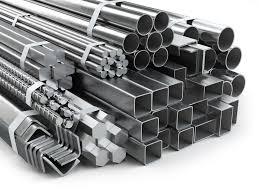
Manganese plays a critical role in strengthening steel and improving hardness, making it essential in construction, transportation, and heavy machinery industries.
Definition of Manganese
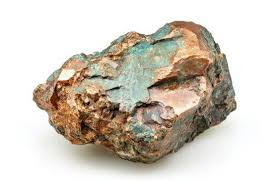
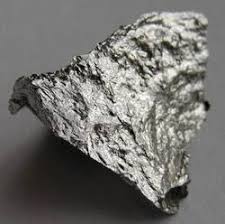
Manganese is a chemical element with the symbol Mn. In nature, it is found mainly in the form of manganese ores such as oxides and carbonates.
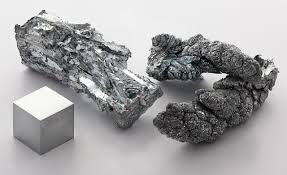
It is an essential alloying element in steel production and is rarely found in pure form due to its reactivity.
Main Manganese Ore Minerals
1. Pyrolusite (Most Important Ore)
Pyrolusite
Black or dark gray mineral
Highest manganese content ore
Main source for industrial manganese extraction
2. Rhodochrosite
Rhodochrosite
Pink to red coloration
Carbonate form of manganese ore
Used in chemical and metallurgical processes
3. Psilomelane
Psilomelane
Hard black mineral
Contains mixed manganese oxides
Used in lower-grade ore processing
4. Braunite
Braunite
Brownish-black appearance
Important manganese silicate ore
Found in metamorphic rocks
Physical and Chemical Characteristics of Manganese
Manganese ores typically have:
Dark gray, black, or brown coloration
High density and hardness
Metallic to earthy appearance
Variable manganese content depending on ore type
Occurrence in oxide, carbonate, and silicate forms
Poor solubility in water
Reactivity in industrial chemical processes
Formation of Manganese Deposits
Manganese deposits form through:
1. Sedimentary Processes
Deposition in marine environments
Accumulation on ocean floors
2. Hydrothermal Activity
Mineral-rich fluids deposit manganese in rock fractures
3. Metamorphic Processes
Heat and pressure transform manganese-bearing rocks
4. Weathering Concentration
Natural enrichment near surface deposits
Extraction and Processing of Manganese
1. Mining
Open-pit or underground mining methods
2. Crushing and Screening
Ore is broken into smaller, usable sizes
3. Beneficiation
Removal of impurities such as silica and iron
4. Smelting
Converts ore into ferromanganese alloys
5. Refining
Produces high-purity manganese or manganese compounds
Tabulated Specification of Manganese
Specification
Details
Product Name
Manganese Ore / Manganese Metal
Chemical Symbol
Mn
Main Ores
Pyrolusite, Rhodochrosite, Psilomelane, Braunite
Color
Black, dark gray, brown, pink
Hardness
High
Density
High
Solubility
Insoluble in water
Main Applications
Steel production, batteries, alloys, chemicals
Processing Methods
Mining, beneficiation, smelting, refining
Storage Conditions
Dry bulk storage
Uses of Manganese
1. Steel Production (Primary Use)
Strengthens steel
Improves hardness and durability
Removes oxygen and sulfur during steelmaking
2. Alloy Manufacturing
Used in stainless steel and special alloys
Improves wear resistance
3. Battery Industry
Used in alkaline and lithium-ion batteries
Improves energy storage performance
4. Chemical Industry
Production of potassium permanganate
Used in water treatment and oxidation processes
5. Construction and Infrastructure
Reinforced steel for buildings and bridges
Advantages of Manganese
1. Strengthens Steel
Essential for producing high-strength steel.
2. High Industrial Demand
Critical in global metallurgy.
3. Versatile Applications
Used in steel, batteries, and chemicals.
4. Improves Metal Quality
Enhances hardness and resistance to wear.
5. Supports Modern Technology
Important in battery and energy storage systems.
Economic Importance
Manganese is a strategic mineral because it:
Is essential for steel production worldwide
Supports construction and infrastructure growth
Drives mining and metallurgical industries
Plays a role in battery and energy storage markets
Contributes significantly to global commodity trade
It is considered a critical industrial metal for modern economies.
Environmental Considerations
Manganese mining and processing may involve:
Land disturbance from mining operations
Dust and particulate emissions
Waste rock and tailings disposal
Environmental management includes:
Site rehabilitation
Dust control systems
Recycling of steel containing manganese
Improved mining efficiency
Storage and Handling Guidelines
To maintain quality:
Store in dry conditions to prevent oxidation changes
Use bulk storage systems for ore
Avoid contamination with other minerals
Handle with dust control measures
Separate ore grades for processing
Conclusion
Manganese is a highly important industrial metal found in ores such as pyrolusite, rhodochrosite, psilomelane, and braunite. It is essential in steel production, where it improves strength, hardness, and durability.
From construction materials and transportation systems to batteries and chemical production, manganese plays a crucial role in supporting modern industry and infrastructure.
In essence, manganese is not just a mineral—it is a key strengthening element that supports global steel production and modern technological development.