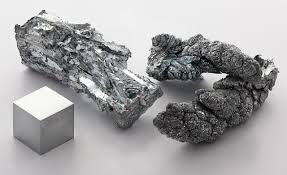
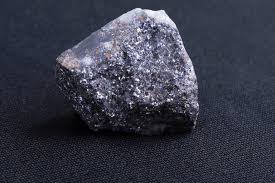
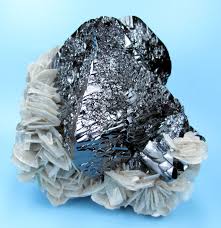
Tin ore is a naturally occurring mineral resource from which tin metal is extracted. Tin is an important industrial metal used in soldering, coatings, alloys, packaging (tinplate), and electronics. It is valued for its corrosion resistance, low toxicity, and ability to bond with other metals.
Tin ore has been mined for thousands of years and remains essential in modern manufacturing and technology industries.
Definition of Tin Ore
Tin ore refers to rock or mineral deposits that contain economically recoverable amounts of tin. The most important tin-bearing mineral is cassiterite, which is processed to extract metallic tin.
Tin is usually found in igneous and alluvial deposits formed through geological weathering and hydrothermal activity.
Main Tin Ore Mineral
Cassiterite (Primary Tin Ore)
Cassiterite
Most important and primary source of tin
Typically brown, black, or reddish in color
Very high tin content
Heavy and durable mineral
Physical and Chemical Characteristics of Tin Ore
Tin ore typically exhibits:
Dark brown, black, or reddish appearance
High density (heavy mineral)
Metallic to sub-metallic luster
Hard and resistant to weathering
Chemical composition mainly tin oxide (SnO₂)
Insoluble in water
Occurs in both primary rock and alluvial (river) deposits
Formation of Tin Ore
Tin ore forms through geological processes such as:
1. Magmatic Hydrothermal Activity
Tin-rich magma cools and deposits cassiterite in veins
2. Weathering and Erosion
Tin minerals are released from rocks and transported by rivers
3. Alluvial Concentration
Heavy cassiterite accumulates in riverbeds and placer deposits
Types of Tin Deposits
1. Primary Deposits
Found in hard rock veins
Require mining and crushing
2. Alluvial Deposits
Found in riverbeds and sediments
Easier to extract through washing and separation
Extraction and Processing of Tin Ore
1. Mining
Open-pit or underground mining for primary deposits
Alluvial mining in riverbeds
2. Crushing and Grinding
Breaks ore into smaller particles
3. Gravity Separation
Uses density differences to concentrate cassiterite
4. Smelting
Heating ore with carbon to extract tin metal
5. Refining
Produces high-purity tin for industrial use
Tabulated Specification of Tin Ore
Specification
Details
Product Name
Tin Ore
Main Mineral
Cassiterite (SnO₂)
Color
Brown, black, reddish
Hardness
High
Density
Very high (heavy mineral)
Solubility
Insoluble in water
Main Applications
Tin metal production, soldering, coatings
Processing Methods
Mining, gravity separation, smelting, refining
Storage Conditions
Dry bulk storage
Uses of Tin (from Tin Ore)
1. Electronics Industry
Soldering materials for circuit boards
Electrical connections and components
2. Metal Coating (Tin Plating)
Protects steel from corrosion
Used in food cans (tinplate)
3. Alloys Production
Bronze (copper + tin)
Pewter and bearing alloys
4. Chemical Industry
Production of tin compounds for industrial use
5. Glass Manufacturing
Used in float glass production process
Advantages of Tin
1. Corrosion Resistant
Protects metals from rust and oxidation.
2. Low Toxicity
Safe for food-related applications.
3. Excellent Soldering Properties
Essential in electronics manufacturing.
4. Versatile Alloying Metal
Forms strong and useful alloys.
5. Durable and Stable
Long-lasting in industrial applications.
Economic Importance
Tin ore is economically valuable because it:
Supports electronics and semiconductor industries
Enables food packaging (tin cans)
Drives soldering and electrical manufacturing
Supports alloy production (bronze, pewter)
Creates mining and refining employment
It is considered a strategic industrial metal.
Environmental Considerations
Tin mining and processing may involve:
Land disturbance from mining activities
Sediment disruption in river mining
Waste rock disposal
Mitigation measures include:
Rehabilitation of mined land
Controlled alluvial mining practices
Recycling of tin from electronic waste
Waste management systems
Storage and Handling Guidelines
To maintain quality:
Store in dry, clean environments
Avoid contamination with other ores
Use proper bulk handling systems
Minimize dust exposure
Separate grades for processing efficiency
Conclusion
Tin ore is a valuable mineral resource primarily composed of cassiterite (SnO₂), the main source of tin metal. It is widely used in electronics, soldering, food packaging, and alloy production.
From circuit boards and solder joints to cans and protective coatings, tin plays a critical role in modern technology and manufacturing.
In essence, tin ore is not just a mineral deposit—it is a strategic industrial resource that supports electronics, packaging, and global industrial development.