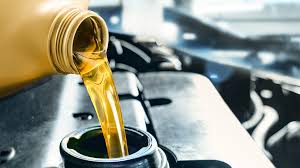
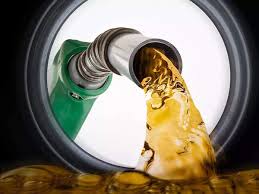
Petrol, also known as gasoline, is one of the most widely used liquid fuels in the world. It is primarily used to power internal combustion engines in cars, motorcycles, small generators, and light machinery. Petrol is derived from crude oil through refining processes and is a key energy source for modern transportation.
It is valued for its high volatility, quick ignition, and efficient energy release in spark-ignition engines.
Definition of Petrol
Petrol is a refined petroleum product composed mainly of volatile hydrocarbons. It is produced during the fractional distillation of crude oil and is specifically formulated for use in spark-ignition engines.
A key chemical basis of petrol is: Hydrocarbons
Types of Petrol
1. Regular Petrol
Standard fuel grade
Used in most everyday vehicles
Lower octane rating
2. Premium Petrol
Higher octane rating
Better engine performance and efficiency
Used in high-performance engines
3. Leaded Petrol (Phased Out in Many Countries)
Previously contained lead additives
Improved engine performance but highly toxic
Replaced by unleaded fuels
4. Unleaded Petrol
Standard modern petrol
Cleaner combustion
Reduces environmental pollution
Physical and Chemical Characteristics of Petrol
Petrol typically has:
Light yellow to transparent color
Strong, characteristic odor
Highly volatile liquid
Easily evaporates at room temperature
Highly flammable
Insoluble in water
Lower density than water
Production of Petrol
Petrol is produced through crude oil refining:
1. Fractional Distillation
Crude oil is heated and separated into different components based on boiling points.
2. Catalytic Cracking
Heavy hydrocarbons are broken into lighter, more useful petrol-range molecules.
3. Reforming and Blending
Improves octane rating and fuel quality using additives.
Engine Use Principle
Petrol engines operate using:
Air-fuel mixture compression
Ignition by spark plug
Controlled combustion to generate mechanical energy
This system is commonly used in light vehicles and small engines.
Main Uses of Petrol
1. Transportation
Cars and motorcycles
Small vans and light vehicles
2. Small Machinery
Lawn mowers and portable equipment
Small agricultural machines
3. Power Generation
Portable generators
4. Industrial Use
Small-scale mechanical operations
Cleaning and solvent applications (limited industrial use)
Tabulated Specification of Petrol
Specification
Details
Product Name
Petrol (Gasoline)
Source
Crude oil refining
Composition
Light hydrocarbons (C4–C12 range)
State
Liquid
Color
Transparent to light yellow
Volatility
High
Energy Content
High
Solubility
Insoluble in water
Main Applications
Vehicles, generators, small engines
Advantages of Petrol
1. High Volatility
Enables quick engine start and ignition.
2. Smooth Engine Performance
Suitable for light and fast vehicles.
3. Widely Available
Distributed globally through fuel stations.
4. Efficient for Small Engines
Ideal for motorcycles and passenger cars.
5. Easy Combustion Control
Works well with spark-ignition systems.
Economic Importance
Petrol is economically significant because it:
Powers global transportation systems
Supports personal and commercial mobility
Drives automotive industry growth
Supports logistics and trade networks
Contributes significantly to national energy markets
It is one of the most traded petroleum products worldwide.
Environmental Considerations
Petrol use has environmental impacts:
Carbon dioxide emissions
Air pollution (CO, NOx, hydrocarbons)
Contribution to climate change
Mitigation strategies include:
Fuel efficiency improvements
Electric and hybrid vehicle adoption
Cleaner fuel standards (unleaded petrol)
Catalytic converters in vehicles
Storage and Handling Guidelines
To ensure safety:
Store in sealed, approved fuel containers
Keep away from heat, flames, and sparks
Avoid long-term storage due to evaporation
Prevent contamination with water or dirt
Follow fire safety regulations strictly
Conclusion
Petrol is a refined petroleum fuel derived from crude oil and widely used in internal combustion engines, especially for cars, motorcycles, and small machinery. Its high volatility and efficient combustion make it ideal for light transport and portable energy applications.
From daily commuting vehicles to small generators, petrol plays a vital role in modern mobility and energy use.
In essence, petrol is not just a fuel—it is a key driver of transportation, convenience, and economic activity in the modern world.