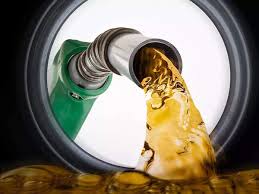
Kerosene is a liquid hydrocarbon fuel derived from crude oil refining. It is widely used for heating, cooking, lighting, aviation fuel (jet fuel), and industrial applications. Kerosene is valued for its relatively stable combustion, moderate volatility, and ability to burn cleanly compared to heavier fuels.
It is one of the most versatile petroleum products in the global energy market.
Definition of Kerosene
Kerosene is a flammable hydrocarbon liquid obtained from the fractional distillation of crude oil. It typically contains hydrocarbons in the carbon range of C10 to C16 and is used as both a domestic and industrial fuel.
A key chemical basis of kerosene is: Hydrocarbons
Types of Kerosene
1. Illuminating Kerosene
Used for lamps and lighting
Burns with a steady flame
Common in areas without electricity
2. Heating Kerosene
Used in heaters and stoves
Produces consistent heat output
3. Aviation Kerosene (Jet Fuel)
Highly refined kerosene
Used in aircraft engines
Must meet strict quality standards
4. Industrial Kerosene
Used in machinery and cleaning processes
Acts as a solvent in some industries
Physical and Chemical Characteristics of Kerosene
Kerosene typically has:
Pale yellow to colorless appearance
Oily liquid texture
Moderate viscosity
Flammable but less volatile than petrol
Insoluble in water
Distinct petroleum odor
Burns with a steady flame
Production of Kerosene
Kerosene is produced through crude oil refining:
1. Fractional Distillation
Crude oil is heated and separated into different fractions based on boiling points. Kerosene is collected in the middle range.
2. Hydrotreating
Removes sulfur, nitrogen, and impurities to improve cleanliness and safety.
3. Blending
Adjusts fuel properties for specific uses such as aviation or domestic consumption.
Main Uses of Kerosene
1. Domestic Use
Cooking fuel in stoves
Lighting in kerosene lamps
2. Aviation Industry
Jet fuel for aircraft engines
Major global aviation energy source
3. Industrial Use
Heating systems
Solvent for cleaning and degreasing
4. Agricultural Use
Fuel for small engines and pumps
Pest control fumigation (limited use)
Tabulated Specification of Kerosene
Specification
Details
Product Name
Kerosene
Source
Crude oil refining
Composition
Hydrocarbons (C10–C16 range)
State
Liquid
Color
Colorless to pale yellow
Volatility
Moderate
Energy Content
Medium-high
Solubility
Insoluble in water
Main Applications
Aviation, cooking, heating, lighting
Advantages of Kerosene
1. Stable Combustion
Burns steadily with controlled flame.
2. Versatile Fuel
Used in domestic, industrial, and aviation sectors.
3. Long Shelf Life
Can be stored for long periods if properly sealed.
4. Widely Available
Produced globally from crude oil.
5. Efficient Heating Source
Provides strong and consistent heat output.
Economic Importance
Kerosene is important because it:
Supports aviation transport systems worldwide
Provides energy in off-grid and rural areas
Serves as an industrial heating fuel
Supports transportation and logistics sectors
Contributes to petroleum refining economies
It remains a key transitional fuel in many developing regions.
Environmental Considerations
Kerosene use has environmental impacts:
Carbon dioxide emissions during combustion
Air pollution from incomplete burning
Contribution to indoor air pollution in poor ventilation areas
Mitigation measures include:
Cleaner aviation fuels
Improved stove technology
Renewable energy alternatives
Emission control systems
Storage and Handling Guidelines
To ensure safety:
Store in tightly sealed containers
Keep away from heat and open flames
Use in well-ventilated areas
Avoid contamination with water or debris
Follow fire safety regulations
Conclusion
Kerosene is a refined petroleum product derived from crude oil and widely used in aviation, cooking, heating, and industrial applications. Its moderate volatility and stable combustion make it a reliable energy source for both domestic and commercial use.
From jet engines to household lamps, kerosene plays a significant role in global energy systems, especially in regions with limited access to electricity.
In essence, kerosene is not just a fuel—it is a vital energy resource that supports transportation, industry, and everyday life across the world.