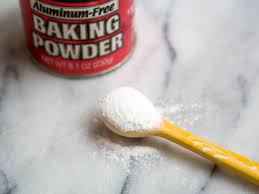
Baking powder is a widely used chemical leavening agent designed to help baked goods rise by producing carbon dioxide gas during the baking process. It is a dry, free-flowing, white powder composed primarily of a base (sodium bicarbonate, commonly known as baking soda), one or more acid salts, and a moisture-absorbing starch such as cornstarch.
When exposed to moisture and heat, baking powder undergoes a chemical reaction that releases carbon dioxide bubbles. These bubbles get trapped in dough or batter, causing it to expand and become light, airy, and soft. Unlike yeast, which requires fermentation time, baking powder works quickly and does not need any resting period, making it ideal for instant baking applications.
There are generally two main types of baking powder: single-acting and double-acting. Single-acting baking powder reacts immediately when mixed with liquid, while double-acting baking powder releases gas in two stages—once when mixed and again when exposed to heat in the oven. The double-acting type is more commonly used in modern baking due to its reliability and flexibility.
Introduction
Baking powder plays a crucial role in modern culinary science and food preparation. It is one of the most important ingredients in home kitchens, bakeries, and industrial food production facilities. Its discovery revolutionized baking by eliminating the need for lengthy fermentation processes required by yeast-based recipes.
Before the invention of baking powder, bakers relied heavily on yeast or mechanical aeration to achieve volume and softness in baked products. These methods were often time-consuming and inconsistent. Baking powder provided a stable, predictable, and fast-acting alternative that significantly improved baking efficiency.
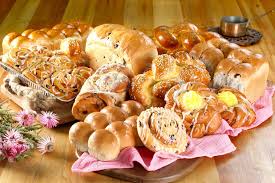
Today, baking powder is used in a wide variety of recipes, including cakes, muffins, biscuits, pancakes, waffles, and quick breads. Its ability to create a light texture and uniform crumb structure has made it indispensable in both household cooking and commercial food production.
Beyond its culinary importance, baking powder is also valued for its convenience, long shelf life, and ease of use. It does not require refrigeration, special handling, or complex preparation, making it one of the most user-friendly ingredients in the food industry.
Composition and Working Principle
The effectiveness of baking powder lies in its carefully balanced composition:
Sodium Bicarbonate (NaHCO₃): The primary alkaline component responsible for producing carbon dioxide gas.
Acid Salts: Such as monocalcium phosphate, sodium aluminum sulfate, or cream of tartar, which react with sodium bicarbonate.
Starch (usually corn starch): Prevents premature reactions by absorbing moisture and keeping the mixture dry and stable.
When baking powder is mixed into a wet batter, the acid and base components dissolve and begin to react. This reaction produces carbon dioxide gas, forming tiny bubbles. As the batter is heated in the oven, remaining acids react further, releasing more gas and expanding the structure of the batter.
This dual reaction (especially in double-acting baking powder) ensures consistent rise and texture, even if there is a delay between mixing and baking.
Tabulated Specifications of Baking Powder
Parameter
Description
Product Name
Baking Powder
Physical Appearance
Fine, white, odorless powder
Taste
Slightly alkaline, neutral when used in correct proportions
Baking powder is an essential ingredient in both household cooking and industrial food production. Its applications extend across multiple categories of baked and cooked foods.
1. Cakes and Pastries
One of the most common uses of baking powder is in cake making. It helps produce a soft, fluffy texture by incorporating air into the batter. The carbon dioxide released during baking expands the mixture, creating a light and tender crumb structure. Without baking powder, cakes would be dense and heavy.
2. Biscuits and Cookies
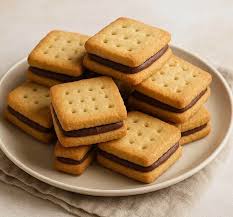
In biscuits and cookies, baking powder contributes to a delicate rise and crisp texture. It ensures that baked products are not overly flat or hard. The controlled gas release helps maintain uniform thickness and improves mouthfeel.
3. Pancakes and Waffles
Breakfast foods such as pancakes and waffles rely heavily on baking powder. It produces the characteristic fluffiness and spongy texture that makes these foods soft and enjoyable. The quick reaction also allows for fast cooking, ideal for morning meals.
4. Quick Breads
Quick breads, including banana bread, soda bread variations, and cornbread, use baking powder instead of yeast. This allows the batter to be baked immediately after mixing, saving time and effort while still achieving a good rise.
5. Muffins and Cupcakes
Baking powder is essential for muffins and cupcakes, giving them a dome-shaped rise and soft interior. It ensures even distribution of air pockets, resulting in a moist and tender crumb.
6. Doughnuts and Fried Foods
In some fried dough recipes, baking powder helps create a light and airy structure before frying. It contributes to a softer interior and improves overall texture.
7. Industrial Food Production
Large-scale bakeries and food manufacturing industries rely on baking powder for consistent product quality. It ensures uniformity across batches, reduces production time, and improves shelf stability of baked goods.
8. Household Cleaning and Odor Control (Indirect Use)
While not its primary purpose, baking powder (and closely related baking soda mixtures) is sometimes used in household applications for deodorizing and mild cleaning due to its alkaline nature. However, it is important not to confuse baking powder with pure baking soda, as their chemical compositions differ.
9. Emergency Leavening Agent
Baking powder is often used as a substitute when yeast is unavailable. It allows home cooks to continue baking without waiting for fermentation or proofing.
Advantages of Baking Powder
Baking powder offers numerous benefits that make it a preferred leavening agent in modern cooking:
Instant Action: No waiting time for fermentation or rising.
Consistency: Produces reliable and predictable results.
Ease of Use: Simple to measure and mix into dry ingredients.
Long Shelf Life: Can be stored for months without losing effectiveness.
Versatility: Suitable for a wide range of baked goods.
No Flavor Interference: When used correctly, it does not alter the taste of food.
Limitations of Baking Powder
Despite its advantages, baking powder has some limitations:
Overuse can result in a bitter or soapy taste in baked goods.
It must be stored properly to prevent moisture absorption and loss of effectiveness.
It cannot fully replicate the flavor complexity provided by yeast fermentation.
Incorrect proportions can lead to poor texture or collapse of baked products.
Storage and Handling Guidelines
To maintain its effectiveness, baking powder should be stored carefully:
Keep in a tightly sealed container to prevent moisture exposure.
Store in a cool, dry environment away from heat and humidity.
Avoid using wet measuring spoons directly in the container.
Always check expiry dates before use.
Replace if it fails a simple test (mixing with warm water should produce bubbles).
Proper storage ensures that baking powder remains active and effective throughout its shelf life.
Safety and Quality Standards
Food-grade baking powder is considered safe for human consumption when used within recommended quantities. It is regulated by food safety authorities in most countries and must meet strict quality standards regarding purity, composition, and labeling.
Manufacturers ensure that all ingredients are non-toxic and suitable for consumption. However, excessive consumption should be avoided, as it may cause digestive discomfort or an unpleasant taste in food.
Conclusion
Baking powder is an essential ingredient in modern baking, offering convenience, reliability, and efficiency. Its scientifically balanced composition allows it to produce carbon dioxide gas that transforms simple doughs and batters into soft, fluffy, and appealing baked products.
From cakes and muffins to pancakes and biscuits, baking powder has become a cornerstone of culinary practice across households and industries worldwide. Its ability to simplify baking processes while maintaining consistent results makes it one of the most valuable ingredients in food preparation.
Although it has certain limitations, its advantages far outweigh its drawbacks. With proper storage and correct usage, baking powder continues to play a vital role in delivering high-quality baked goods that are enjoyed daily across the globe.
In essence, baking powder is not just a kitchen ingredient—it is a small but powerful scientific tool that brings life, texture, and perfection to countless baked creations.