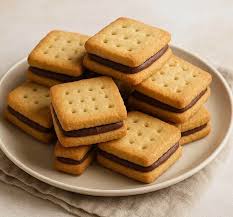
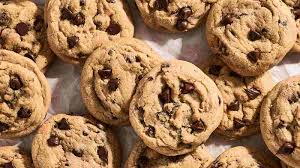
Cookies are sweet baked food products made primarily from flour, sugar, fat, and various flavoring ingredients such as chocolate, vanilla, nuts, fruits, or spices. They are typically smaller, softer, and richer than many traditional biscuits, although textures can range from soft and chewy to crisp and crunchy depending on the recipe and baking process. Cookies are widely enjoyed as snacks, desserts, and accompaniments to beverages such as milk, tea, and coffee.
Originating from small portions of cake batter used to test oven temperatures, cookies have evolved into one of the most popular bakery products worldwide. Today, they are available in countless varieties, including chocolate chip cookies, oatmeal cookies, butter cookies, sandwich cookies, sugar cookies, and gourmet specialty cookies. Their appealing taste, convenience, and versatility make them a favorite among consumers of all ages.
Introduction
Cookies are among the most beloved baked treats in the world, appreciated for their rich flavors, satisfying textures, and endless variety. They have become a staple product in homes, bakeries, cafes, supermarkets, and restaurants, serving as both a casual snack and a premium dessert item. The popularity of cookies extends across cultures and regions, with each market developing unique recipes and flavor profiles to suit local tastes.
The history of cookies dates back several centuries. Early forms of cookies were developed by bakers who placed small amounts of batter in ovens to test baking temperatures before preparing larger cakes. Over time, these small baked portions gained popularity and evolved into independent products. As baking techniques advanced and ingredient availability increased, cookies became more diverse and sophisticated.
Modern consumers value cookies not only for their taste but also for their convenience. They are easy to carry, require no preparation, and can be enjoyed at any time of the day. Whether consumed as a quick snack, a lunchbox treat, a dessert, or a gift item, cookies continue to hold a strong position in the global bakery industry.
Advancements in food technology have enabled manufacturers to create cookies with improved textures, longer shelf lives, and enhanced nutritional profiles. Many modern cookies incorporate ingredients such as oats, whole grains, nuts, seeds, dried fruits, protein supplements, and dietary fiber to appeal to health-conscious consumers. Premium and artisanal cookies have also gained popularity due to increasing demand for high-quality ingredients and unique flavor combinations.
Today, cookies represent a significant segment of the global baked goods market and continue to evolve through innovation, creativity, and changing consumer preferences.
Product Specifications
Specification Parameter
Description
Product Name
Cookies
Product Category
Bakery and Confectionery Product
Main Ingredients
Wheat flour, sugar, butter or vegetable fat, eggs, flavorings
Round, square, rectangular, heart-shaped, or customized
Shelf Life
Typically 3–12 months depending on formulation and packaging
Packaging Type
Pouches, cartons, tins, trays, or individual packs
Storage Conditions
Store in a cool, dry place away from moisture and sunlight
Nutritional Value
Source of carbohydrates, fats, and energy
Production Method
Mixing, shaping, baking, cooling, and packaging
Consumption Method
Ready-to-eat
Target Consumers
Children, teenagers, adults, and elderly consumers
Quality Standards
Produced under food safety and quality regulations
Allergen Information
May contain wheat, milk, eggs, soy, nuts, or other allergens
Portability
Highly portable and convenient
Market Availability
Bakeries, supermarkets, convenience stores, cafes, and online platforms
Features of Cookies
1. Rich Flavor Profile
Cookies are known for their rich and satisfying taste. Ingredients such as butter, chocolate, nuts, caramel, and vanilla contribute to their distinctive flavor and appeal.
2. Variety of Textures
Depending on the recipe, cookies can be soft and chewy, crispy and crunchy, or somewhere in between. This variety allows manufacturers to cater to diverse consumer preferences.
3. Wide Range of Flavors
Cookies are available in countless flavor combinations, from classic chocolate chip and butter cookies to innovative gourmet creations featuring exotic ingredients.
4. Convenient Snack Option
Cookies require no preparation and can be consumed immediately, making them ideal for busy lifestyles.
5. Attractive Appearance
Many cookies are designed with appealing shapes, decorations, fillings, or coatings that enhance their visual appeal and marketability.
6. Long Shelf Life
Proper packaging helps maintain freshness and extends shelf life, making cookies suitable for retail distribution and home storage.
7. Customization Opportunities
Manufacturers and bakeries can customize cookies with different ingredients, shapes, colors, and packaging designs to meet specific consumer demands.
Manufacturing Process
The production of cookies involves several carefully controlled stages to ensure product consistency and quality.
Ingredient Preparation
Raw materials such as flour, sugar, fats, eggs, flavorings, and additional ingredients are measured according to the formulation.
Mixing
Ingredients are blended to form a uniform dough with the desired consistency and texture.
Dough Shaping
The dough is portioned and shaped using molds, cutters, extrusion equipment, or depositing machines.
Baking
Cookies are baked at controlled temperatures to achieve the required texture, flavor, and color.
Cooling
After baking, cookies are cooled to stabilize their structure and prevent moisture accumulation.
Quality Inspection
Finished products undergo quality checks for appearance, taste, texture, weight, and packaging integrity.
Packaging
Cookies are packed in moisture-resistant packaging materials to preserve freshness and maintain product quality during transportation and storage.
Uses of Cookies
1. Everyday Snacking
Cookies are commonly consumed between meals as a quick and satisfying snack.
2. Dessert Consumption
Many people enjoy cookies as desserts, either on their own or paired with ice cream, whipped cream, or other sweet treats.
3. Accompaniment to Beverages
Cookies are frequently served with tea, coffee, hot chocolate, milk, and other beverages.
4. Lunchbox Treats
Individually packed cookies are convenient additions to school lunchboxes and office meal packs.
5. Party and Event Catering
Cookies are popular at parties, celebrations, weddings, and corporate events due to their versatility and ease of serving.
6. Gift Products
Premium cookies are often packaged in decorative boxes or tins and presented as gifts during holidays and special occasions.
7. Travel Snacks
Their portability and relatively long shelf life make cookies suitable for travel, outdoor activities, and commuting.
8. Bakery and Cafe Offerings
Cookies are commonly sold in bakeries and cafes as standalone products or paired with beverages.
9. Dessert Ingredients
Crushed cookies can be used in cheesecakes, pie crusts, parfaits, milkshakes, and other dessert recipes.
10. Premium Gourmet Products
Specialty cookies featuring premium ingredients are marketed as luxury bakery products for discerning consumers.
Advantages of Cookies
High Consumer Appeal
Cookies are enjoyed by people of all age groups and remain one of the most popular bakery products globally.
Convenient and Ready-to-Eat
They require no preparation and can be consumed anytime and anywhere.
Extensive Product Variety
Manufacturers can create numerous flavor, texture, and ingredient combinations to meet changing market demands.
Strong Market Demand
The cookie industry continues to experience growth due to increasing consumer interest in convenient snack products.
Packaging Flexibility
Cookies can be sold in single-serving packs, family-size packages, gift boxes, and bulk containers.
Premium and Value Segments
The product can be positioned in both affordable and premium market categories, expanding its consumer reach.
Quality Considerations
To maintain superior quality, manufacturers focus on:
High-quality raw materials
Consistent recipe formulation
Proper baking conditions
Hygienic manufacturing environments
Effective moisture control
Secure packaging systems
Compliance with food safety regulations
Continuous quality monitoring and testing
These practices help ensure that consumers receive products that meet expectations for taste, texture, freshness, and safety.
Market Demand and Consumer Trends
The global cookie market continues to grow due to increasing urbanization, changing lifestyles, and rising demand for convenient snack foods. Consumers increasingly seek products that combine indulgence with nutritional benefits, leading to the development of healthier cookie options.
Popular trends include:
Whole-grain cookies
Reduced-sugar formulations
Gluten-free cookies
Protein-enriched cookies
Organic and natural ingredient cookies
Premium gourmet cookies
Functional cookies containing vitamins, minerals, and fiber
Manufacturers are also focusing on sustainable packaging and innovative flavor combinations to differentiate their products in competitive markets.
Conclusion
Cookies are versatile, flavorful, and highly popular baked products that have become an essential part of the global snack and bakery industry. Made from ingredients such as flour, sugar, fats, and flavorings, they offer a wide range of textures and tastes that appeal to diverse consumer preferences.
Their convenience, portability, long shelf life, and adaptability make them suitable for numerous applications, including snacking, desserts, gifting, catering, and travel consumption. Continuous innovation in ingredients, flavors, packaging, and nutrition has further strengthened the position of cookies in modern food markets.
As consumer demand for both indulgent and health-oriented snack options continues to rise, cookies remain a dependable and versatile product with enduring popularity and strong growth potential in the global bakery sector.