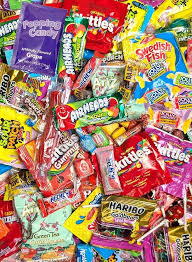
Candy is a sweet confectionery product primarily made from sugar or sweeteners and combined with various ingredients such as flavorings, colorings, fruit extracts, chocolate, milk solids, nuts, or other food additives. It is designed to provide a pleasant taste experience and is widely consumed as a snack, treat, gift item, or festive delicacy. Candy is available in numerous forms, including hard candies, soft candies, gummies, toffees, caramels, lollipops, jelly candies, mints, and chocolate-coated varieties.
Known for its vibrant colors, diverse flavors, and attractive shapes, candy appeals to consumers of all age groups. It is one of the most popular products in the global confectionery industry and is often associated with celebrations, entertainment, and moments of enjoyment.
Introduction
Candy has been a beloved confectionery product for centuries and continues to be one of the most widely consumed sweet treats worldwide. The history of candy dates back to ancient civilizations, where natural sweeteners such as honey were combined with fruits, nuts, and herbs to create simple confections. As sugar production expanded and manufacturing technologies improved, candy evolved into a diverse category of products with countless varieties and flavor profiles.
Today, candy is an important segment of the global food and beverage industry. It is manufactured in various forms to satisfy different consumer preferences, ranging from traditional hard-boiled sweets to modern gummy and chewy products. Candy is appreciated not only for its sweetness but also for the enjoyment, nostalgia, and emotional connection it often creates.
The popularity of candy can be attributed to its accessibility, affordability, and versatility. It is consumed as a quick treat, used as a reward, shared during social gatherings, and gifted during holidays and special occasions. Manufacturers continuously introduce innovative flavors, textures, packaging designs, and formulations to attract consumers and remain competitive in the marketplace.
In recent years, the confectionery industry has also responded to changing consumer preferences by developing sugar-free, reduced-sugar, organic, and functional candy products. These innovations have expanded the appeal of candy beyond traditional markets and contributed to sustained industry growth.
With its wide variety of products and universal popularity, candy remains a key contributor to the global confectionery sector and an enduring favorite among consumers around the world.
Round, oval, stick, cube, heart, animal-shaped, or customized
Sweetening Source
Sugar, glucose syrup, natural or artificial sweeteners
Shelf Life
Typically 6–24 months depending on product type
Packaging Type
Wrappers, pouches, jars, boxes, tins, and bulk packs
Storage Conditions
Store in a cool, dry place away from heat and humidity
Nutritional Value
Primarily a source of carbohydrates and energy
Production Method
Cooking, molding, cooling, coating, and packaging
Consumption Method
Ready-to-eat
Target Consumers
Children, teenagers, and adults
Quality Standards
Manufactured according to food safety regulations
Allergen Information
May contain milk, nuts, soy, or other allergens depending on formulation
Portability
Highly portable and convenient
Market Availability
Supermarkets, convenience stores, candy shops, and online platforms
Features of Candy
1. Attractive Taste
Candy is known for its sweet and enjoyable taste, which makes it one of the most popular confectionery products worldwide.
2. Wide Variety of Flavors
Manufacturers offer candy in numerous flavors, including fruit, mint, chocolate, caramel, coffee, and many unique combinations.
3. Appealing Appearance
Bright colors, creative shapes, and decorative packaging enhance the visual appeal of candy and attract consumers.
4. Diverse Textures
Candy products can be hard, chewy, gummy, soft, crunchy, or filled, providing different sensory experiences.
5. Convenient Packaging
Most candy products are individually wrapped or packaged in portable containers, making them easy to carry and consume.
6. Long Shelf Life
Low moisture content and suitable packaging help many candy products maintain quality for extended periods.
7. Customizable Designs
Candy can be manufactured in customized shapes, colors, and flavors for promotional events, celebrations, and branding purposes.
Manufacturing Process
The production of candy involves carefully controlled steps to achieve the desired flavor, texture, and appearance.
Ingredient Preparation
Raw materials such as sugar, glucose syrup, flavorings, colorings, and specialty ingredients are measured and prepared.
Cooking
Ingredients are heated under controlled temperatures to create a syrup or candy base with the required consistency.
Flavoring and Coloring
Flavors, colors, and additional ingredients are incorporated into the mixture during processing.
Forming and Shaping
The candy mass is molded, deposited, extruded, cut, or shaped according to product specifications.
Cooling
Products are cooled to achieve the desired texture and structural stability.
Coating and Finishing
Some candies receive additional coatings such as sugar, chocolate, or polishing agents to improve appearance and taste.
Packaging
Finished candies are packaged using materials that protect against moisture, contamination, and physical damage.
Types of Candy
Hard Candy
Hard candies are produced by boiling sugar syrup to a high temperature and cooling it into a solid form. Examples include fruit drops and mint candies.
Chewy Candy
These candies have a soft and elastic texture, making them enjoyable to chew for extended periods.
Gummy Candy
Made using gelatin or similar ingredients, gummy candies are soft, flexible, and available in various shapes and flavors.
Toffee and Caramel
These candies are produced by heating sugar and fats to create a rich, smooth, and chewy texture.
Lollipops
Lollipops consist of hard candy attached to a stick, making them convenient and appealing, especially to children.
Jelly Candy
Jelly candies possess a soft, gel-like texture and are often fruit-flavored.
Mint Candy
These candies provide a refreshing flavor and are commonly consumed after meals.
Chocolate-Coated Candy
Candy centers are coated with chocolate to create a combination of sweetness and rich cocoa flavor.
Uses of Candy
1. Personal Consumption
Candy is widely consumed as a sweet treat and enjoyable snack throughout the day.
2. Celebrations and Festivals
Candy is commonly distributed during holidays, birthdays, weddings, and cultural festivals.
3. Gift Giving
Decorative candy boxes and assortments are popular gift items for special occasions.
4. Party Favors
Candies are frequently included in party bags, event giveaways, and promotional packages.
5. Hospitality Services
Hotels, restaurants, and reception areas often provide complimentary candies to guests and customers.
6. Promotional Products
Businesses use customized candies as marketing tools to promote brands and products.
7. Decorative Applications
Candies are used to decorate cakes, desserts, pastries, and other confectionery products.
8. Fundraising Activities
Schools, clubs, and organizations often sell candy as part of fundraising initiatives.
9. Seasonal Products
Specially themed candies are produced for holidays such as Christmas, Halloween, Easter, and Valentine’s Day.
10. Mood Enhancement
Many consumers enjoy candy as an occasional indulgence that contributes to moments of pleasure and relaxation.
Advantages of Candy
Universal Popularity
Candy is enjoyed by consumers of different ages, cultures, and regions around the world.
Product Diversity
The wide range of flavors, shapes, and textures ensures broad market appeal.
Easy Distribution
Candy products are lightweight, durable, and easy to transport and store.
Attractive Packaging
Colorful packaging enhances shelf visibility and consumer interest.
Long Shelf Stability
Many candy products maintain quality for extended periods when stored properly.
Strong Market Demand
Candy continues to be a high-demand product in both developed and emerging markets.
Quality Considerations
To ensure premium-quality candy products, manufacturers focus on:
High-quality ingredients
Accurate formulation and processing
Consistent flavor and texture
Hygienic production practices
Proper moisture control
Attractive packaging
Compliance with food safety standards
Routine quality inspections and testing
These measures help maintain product safety, freshness, and consumer satisfaction.
Market Demand and Consumer Trends
The global candy market continues to expand due to increasing consumer demand for indulgent and convenient confectionery products. Modern trends influencing the industry include:
Sugar-free candy options
Reduced-sugar formulations
Organic and natural ingredient products
Functional candies with vitamins and supplements
Premium and gourmet confectionery
Sustainable packaging solutions
Innovative flavor combinations
Personalized and customized candy products
Manufacturers are investing in product innovation and branding strategies to meet changing consumer expectations and strengthen market competitiveness.
Conclusion
Candy is one of the most popular and versatile confectionery products in the world. Made primarily from sugar and flavoring ingredients, it offers a wide variety of tastes, textures, colors, and forms that appeal to consumers of all ages. From hard candies and gummies to caramels and lollipops, the product category continues to evolve through innovation and creativity.
Its applications extend beyond personal consumption to include celebrations, gifting, hospitality, promotions, and decorative uses. Combined with attractive packaging, long shelf life, and broad consumer appeal, candy remains a significant contributor to the global confectionery industry.
As manufacturers continue to develop healthier formulations, premium offerings, and sustainable packaging solutions, candy is expected to maintain its strong market presence and remain a favorite sweet treat for generations to come.